Swedish electric hydrofoil manufacturer Candela has secured €30 million in new investment while simultaneously announcing a strategic partnership aimed at building vessel charging infrastructure across the Asia-Pacific. Together, the two developments point toward a significant acceleration in zero-emission water transport becoming commercially viable at scale.
The fresh capital brings Candela's total funding to €129 million and includes participation from the International Finance Corporation, part of the World Bank Group. The money will go toward expanding production capacity, with a second manufacturing facility planned for Poland, as demand for electric ferries continues to build across international markets.
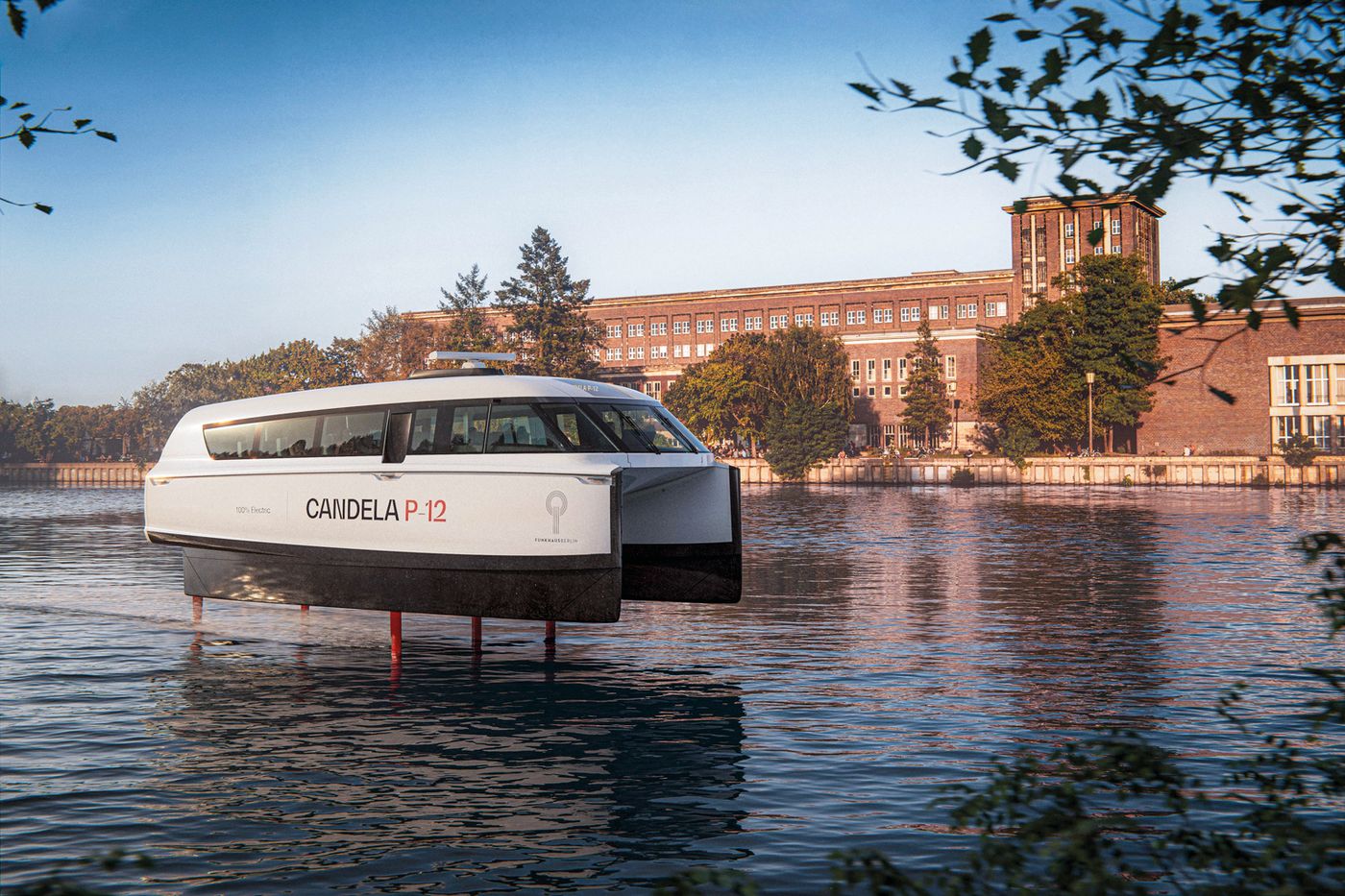
At the centre of Candela's commercial push is the P-12, an electric hydrofoiling ferry already operating within Nordic public transport networks. A computer-controlled foil system lifts the P-12's hull clear of the water surface during operation, reducing drag and cutting energy consumption by up to 80 percent compared with conventional diesel ferries. The absence of hull contact with the water also means virtually no wake, a practical advantage in busy harbours and constrained waterways. Operators who have already deployed the vessel report shorter journey times alongside noticeably lower running costs.
Founder and CEO Gustav Hasselskog frames the opportunity in broad terms. "We're redefining waterborne transport by creating a new category of vessel. This allows cities and operators to use waterways efficiently without being tied to fossil fuel costs."
Candela currently holds orders for more than 65 vessels, with scheduled deployments from 2026 covering India, Saudi Arabia, Thailand, and the Maldives.
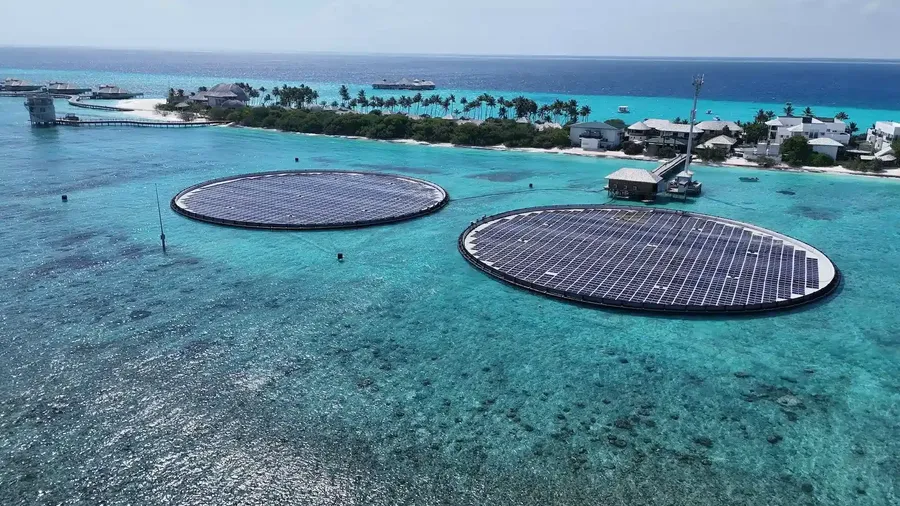
The funding announcement coincides with a memorandum of understanding signed between Candela and renewable energy company Canopy Power to develop floating solar charging infrastructure across the Asia-Pacific region. The arrangement pairs the P-12 with Canopy Power's microgrid systems, combining floating solar arrays and battery storage built on technology developed by Ocean Sun. Because the platforms generate electricity directly on the water, vessels can charge without any connection to diesel-powered shore-based infrastructure.
The two companies describe the result as a fully integrated "sun-to-sea" transport system, designed with island resorts and coastal communities specifically in mind. In those settings, importing and storing diesel fuel represents both a significant ongoing cost and a persistent environmental liability.
Candela's Regional CEO for APAC, Björn Antonsson, was direct about the commercial logic. "Fossil fuel dependency is the single biggest cost driver for remote island operators. We're not just offering a boat, we're delivering an ecosystem that turns sunlight into high-speed transport."
The partnership targets markets where diesel generators and conventional ferry services still dominate. Connecting local renewable energy generation directly to vessel operations promises to cut emissions and running costs simultaneously, while also improving day-to-day service reliability. Tourism operators stand to gain an additional advantage from the electric hydrofoil format itself. Without engine noise, vibration, or exhaust, the on-water experience becomes considerably quieter and more refined, and reduced fuel expenditure strengthens the long-term return on investment.
Canopy Power's Strategy Director Mahasti Motazedi sees the model as a genuine turning point for the sector. "Combining floating solar charging with ultra-efficient electric vessels is a game changer. For the first time, island operators can adopt clean water transport without relying on diesel."
Candela's broader trajectory also reflects a structural shift in how performance vessels are designed and built. Rather than the traditional custom one-off approach, the company is moving toward serial production of carbon fibre vessels, a strategy intended to drive down unit costs and enable faster scaling across international markets.
Investor backing has held firm despite a wider cooling in climate-tech funding, reflecting confidence in commercial propositions that pair genuine environmental benefits with credible financial returns. By drawing together renewable energy generation, advanced vessel technology, and operational economics into a single coherent model, Candela and Canopy Power are offering something greater than the sum of its parts. For operators across remote and tourism-dependent parts of the Asia-Pacific, that kind of integrated solution could prove decisive in tipping the economics toward electric.