
The World Superyacht Awards returns to Venice this May for its 21st edition, bringing together the most celebrated new builds and significant refits in yachting to determine which vessels over 24 metres best represent the summit of design, engineering, and craftsmanship. The 2026 shortlist points to capability, range, and genuine ocean-going performance driving ambition at every level of the fleet.
Frequently described as the Oscars of yachting, the awards unfold against a black-tie backdrop, with a judging panel composed entirely of yacht owners who reach their decisions by secret ballot after a full day of deliberation. To be eligible, a yacht must have been delivered or substantially refitted within the past calendar year. These are not showpieces. They are sophisticated, ocean-crossing machines, many rated for ice operations, built to sustain extended time aboard for owners, guests, and crew. The people judging them know precisely what they are evaluating. As judge Alan Dabbiere put it, "This is a group that has strong opinions about what makes a great boat." That directness is the whole point. The deliberations are not always polite, and design, engineering, build quality, innovation, and usability all come under close scrutiny, with the final two consistently proving the most telling differentiators. The yacht that wins is rarely the one that cost the most. It is the one that achieved the best result.

The 2026 nominees signal a market that has moved well past any fixation on sheer size, with purpose and genuine capability increasingly leading the conversation.
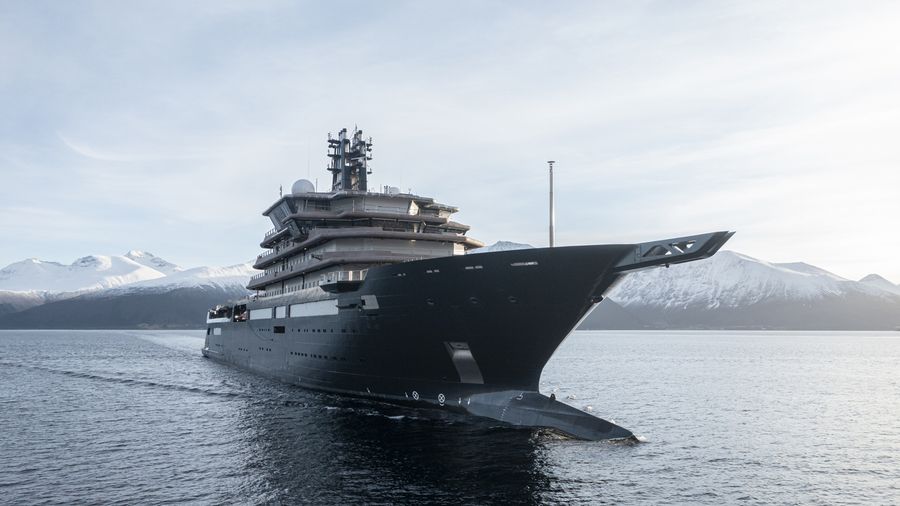
At the very top of the scale, four displacement yachts exceed 2,500GT and stretch beyond 100 metres. The largest is Breakthrough, an 118.8-metre Feadship build reported to be the world's first superyacht to use liquid hydrogen fuel cells as its primary power source.
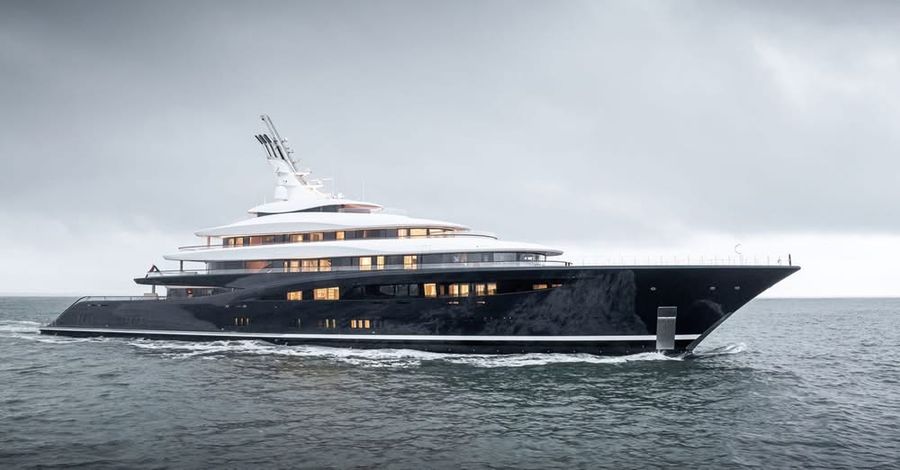
Oceanco's 111-metre DreAMBoat sits close behind, and the contrast between the two is worth examining. Breakthrough carries a 19-metre beam against DreAMBoat's 16 metres, a reduction that trims guest and crew capacity only modestly while delivering a gain of just one knot in top speed.
Feadship's influence extends broadly across the shortlist. The Dutch yard's naval architecture underpins several nominations beyond Breakthrough, including Moonrise and Pi, both competing in the over-100-metre category, while Valor sits just under 80 metres and Solace, entered as a refit, comes in at 57 metres.
The commercial weight these awards carry is not lost on the industry. Heesen's Sara Gianola explained the dynamic plainly: "Brokers have asked us for the list of recent awards won by our boats because it was requested by a client. It definitely has value." Prospective clients are paying attention, and yards are increasingly being asked to account for their track record.
Representation broadens considerably through the mid-size displacement classes, where Cantiere delle Marche, Baglietto, and Tankoa all appear repeatedly. These are luxury platforms, but each is engineered for range, reliability, and sustained passages rather than marina appearances.
One of the more compelling nominations comes at the smaller end of the displacement fleet. Haze², measuring 30.8 metres, competes in the under-499GT class. Designed by Hydro Tec and built by Cantiere delle Marche, she carries a 7.43-metre beam and a 2.3-metre draught.
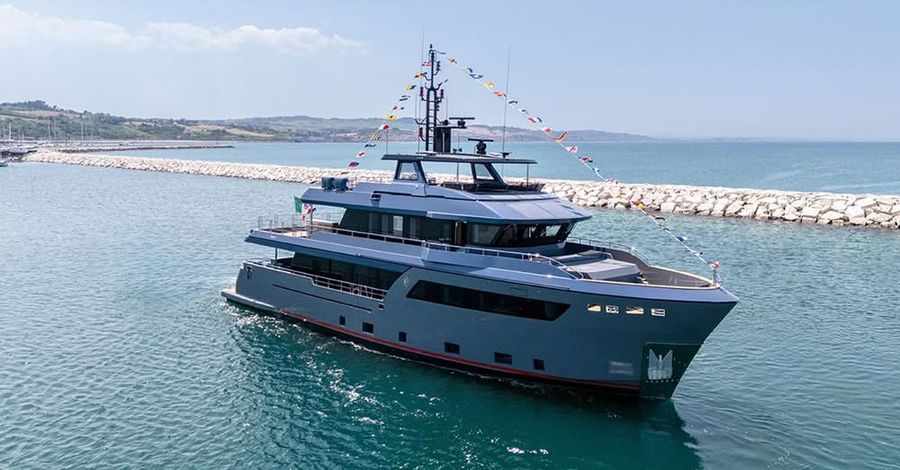
Her passage-making figures tell the real story. A cruising range of 5,000 nautical miles at 9 knots places her firmly in explorer territory. For perspective, Breakthrough, more than three times her length, extends that range by only around 30 percent, to approximately 6,500 nautical miles. The comparison captures a broader shift running through the whole shortlist: capability, not sheer volume, is shaping what these builds set out to achieve.
In the 70 to 80-metre bracket, No Rush stands out. The 72-metre ice-class yacht was delivered by Admiral and designed by Giorgio Armani, pairing long-range capability with a high-end interior. With a top speed of 15.5 knots and a 13-metre beam, she balances scale with genuine performance. Her volume reflects what is now expected at this level, with space allocated to pools, spas, cinemas, and gyms alongside a 93m² aft platform. Cruising performance sits above class averages, and range and usability remain central to her appeal, reinforcing the wider trend toward yachts built to go further without surrendering comfort.
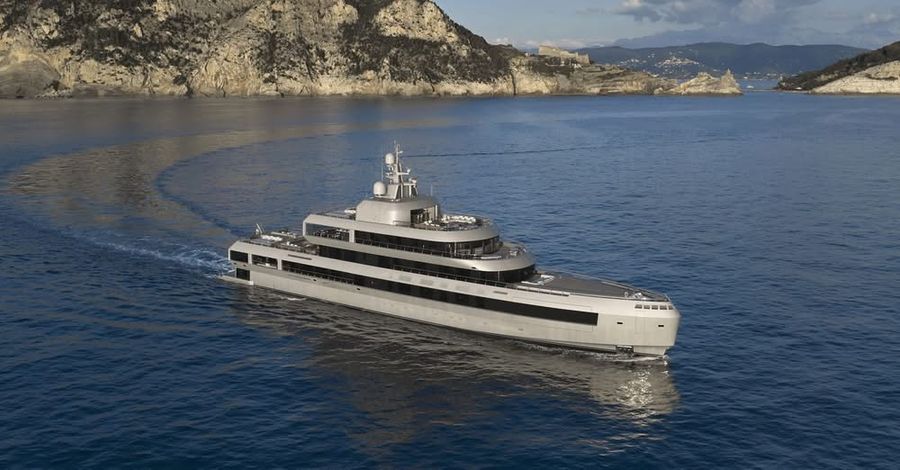
Design continuity threads through much of the shortlist. Names including Espen Øino, Paszkowski, and Hydro Tec appear across multiple projects, shaping not just the look of these yachts but the way they are actually lived in and used. Italy's influence remains strong, with Benetti, Baglietto, and Admiral all featuring prominently. Northern Europe responds with Feadship, Damen, Heesen, and Lürssen. The ongoing dialogue between these two traditions continues to define the shape of the market.
Sailing yachts occupy a smaller but fiercely contested corner of the awards. Among the larger entries, the 65-metre Aquarius carries a 10.8-metre beam that speaks to the scale these vessels have reached, while the 44.3-metre Magic offers a 9.7-metre beam and a top speed of 12 knots. Both reflect the sustained push for performance without sacrificing comfort aboard.
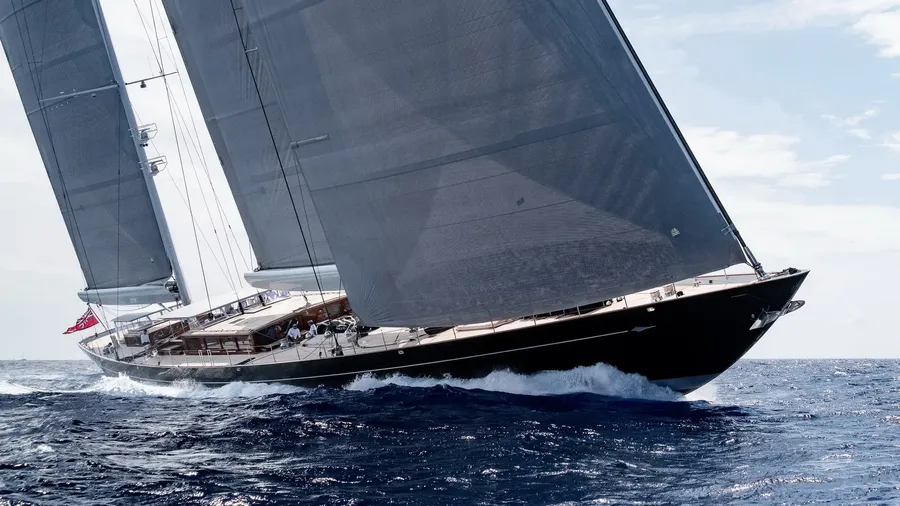
The smaller sailing class features the 38.98-metre BeCool, the 35.51-metre Kalantis, and the 33.42-metre wallywind. Each takes a different approach to the challenge, but all share the same underlying brief: find the right balance between speed and liveability.
Refits and rebuilds represent a growing and increasingly ambitious section of the field, each project arriving with its own particular constraints. Among the 2026 entries, Moonstone and Q demonstrate just how complete such a transformation can be.
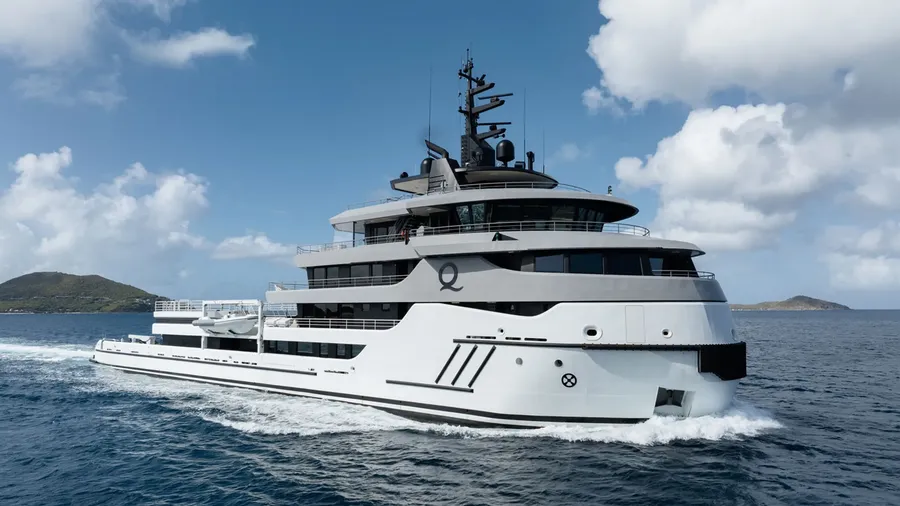
The 72-metre Q traces its origins to the 2017 acquisition of Sanaborg, an icebreaking offshore support vessel originally built for the oil and gas logistics industry. The reinvention from commercial working platform to luxury yacht ranks among the more dramatic on the current shortlist.
The 79.2-metre Moonstone underwent her refit with Amels Yachting, a process that reshaped both structure and layout. A 7.5-metre transom extension created space for a dedicated wellness hub, and a pool was added to the main deck aft. Internally, around 80 percent of the yacht was reworked, with a classical style making way for a more contemporary, residential aesthetic aligned with the owner's brief.
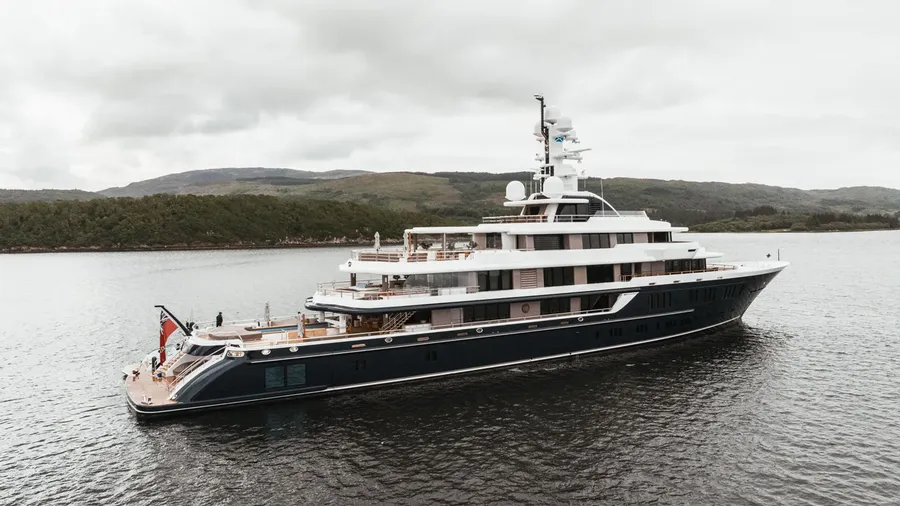
The 2026 shortlist reflects an industry that shows no sign of easing up. Larger builds anchor the top end of the fleet. More capable yachts populate the middle. Sailing continues its commitment to pushing performance. Each vessel on the list represents a distinct brief, and while scale sets many of them apart, it is engineering, design, build quality, and intended use that will ultimately determine which ones take the honours.
What has shifted most visibly is focus. These yachts are more complex, more specialised, and more purposeful than the generations that preceded them. That makes the judging harder, and gives any win considerably more weight.
When the debate closes in Venice in early May, the question will have its answer: which superyacht has done enough to stand apart from the rest.