Hauraki is water country. The region stretches from the open reaches of the Hauraki Gulf near Kaiaua to the tight, forest-draped curves of the Ohinemuri River through Karangahake Gorge, and across that range it offers some of New Zealand's most compelling waterway experiences. Whether you live here or are passing through, these places draw you in with the promise of fishing, paddling, swimming, and discovery. They also ask something of you in return.
Out on the Hauraki Gulf, calm water gives way to mussel farms, quiet anchorages and fertile coastal flats. Mussel barges move methodically along their routes, and boaties would do well to plan around tidal flows and give those vessels a wide berth. For anyone with a keen eye on birdlife, the mudflats at Pūkorokoro Miranda carry international significance, hosting large numbers of migratory shorebirds that treat these flats as an essential stopover.
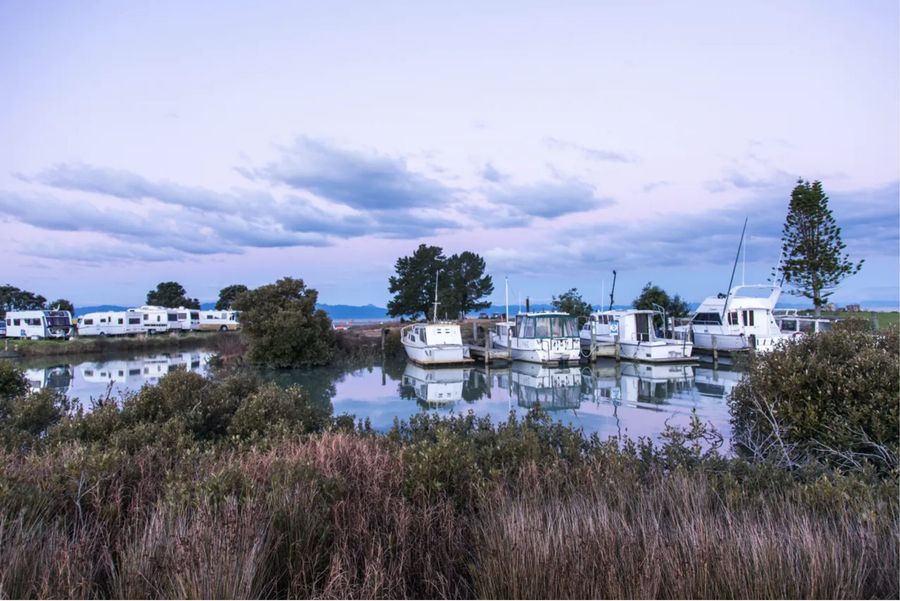
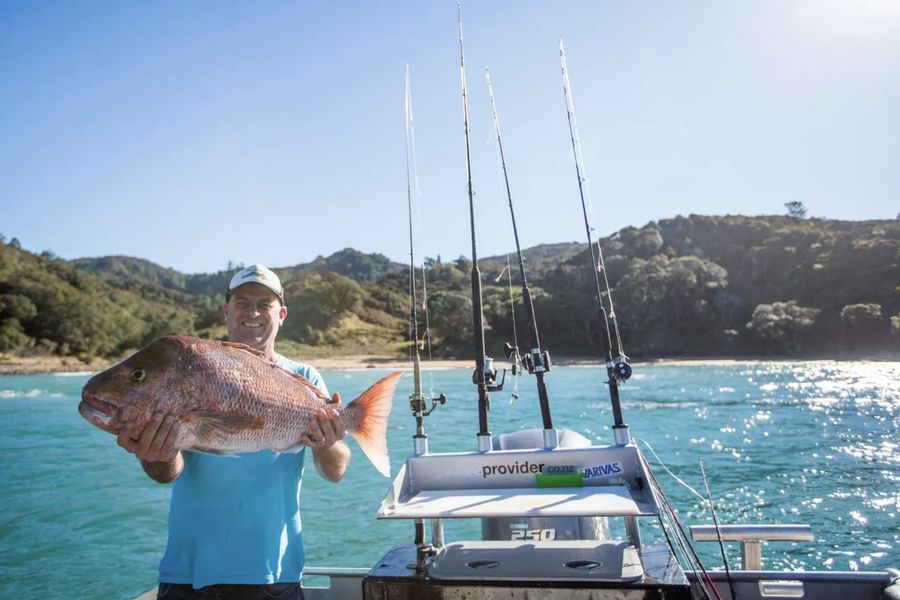
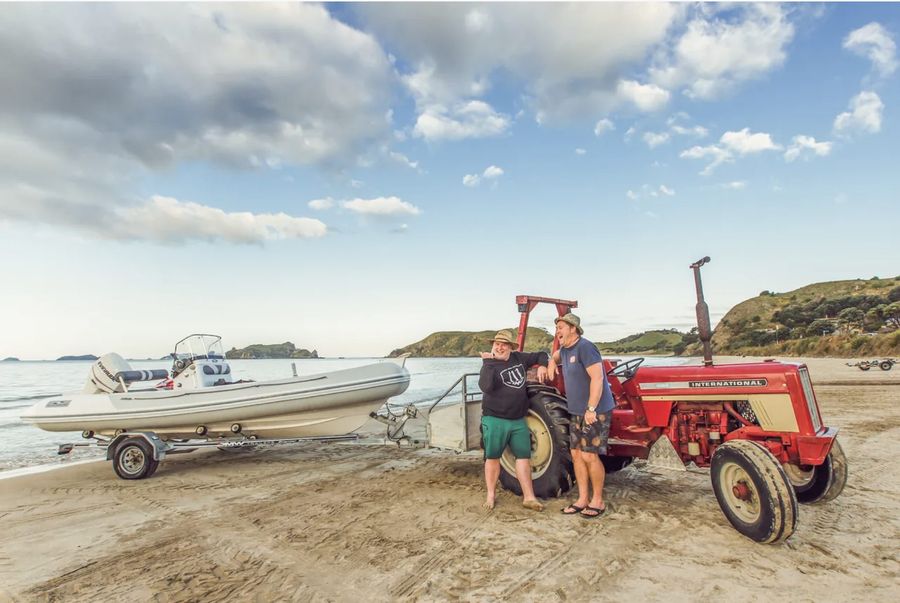
The Thames coastline is a place of varied pleasures. Rocky outcrops along the shore draw rock fishers after snapper and kahawai, while sheltered inlets offer gentler ground for kayakers, paddleboarders and anglers working the shallows. In the early hours, the scene fills quickly: families picking over tidal pools, lines cast from the rocks, boats drifting past oyster beds with the sounds of the mussel harvest mixing into the background calls of seabirds. Public boat ramps at Kaiaua and Waikawau make getting on the water a straightforward business.
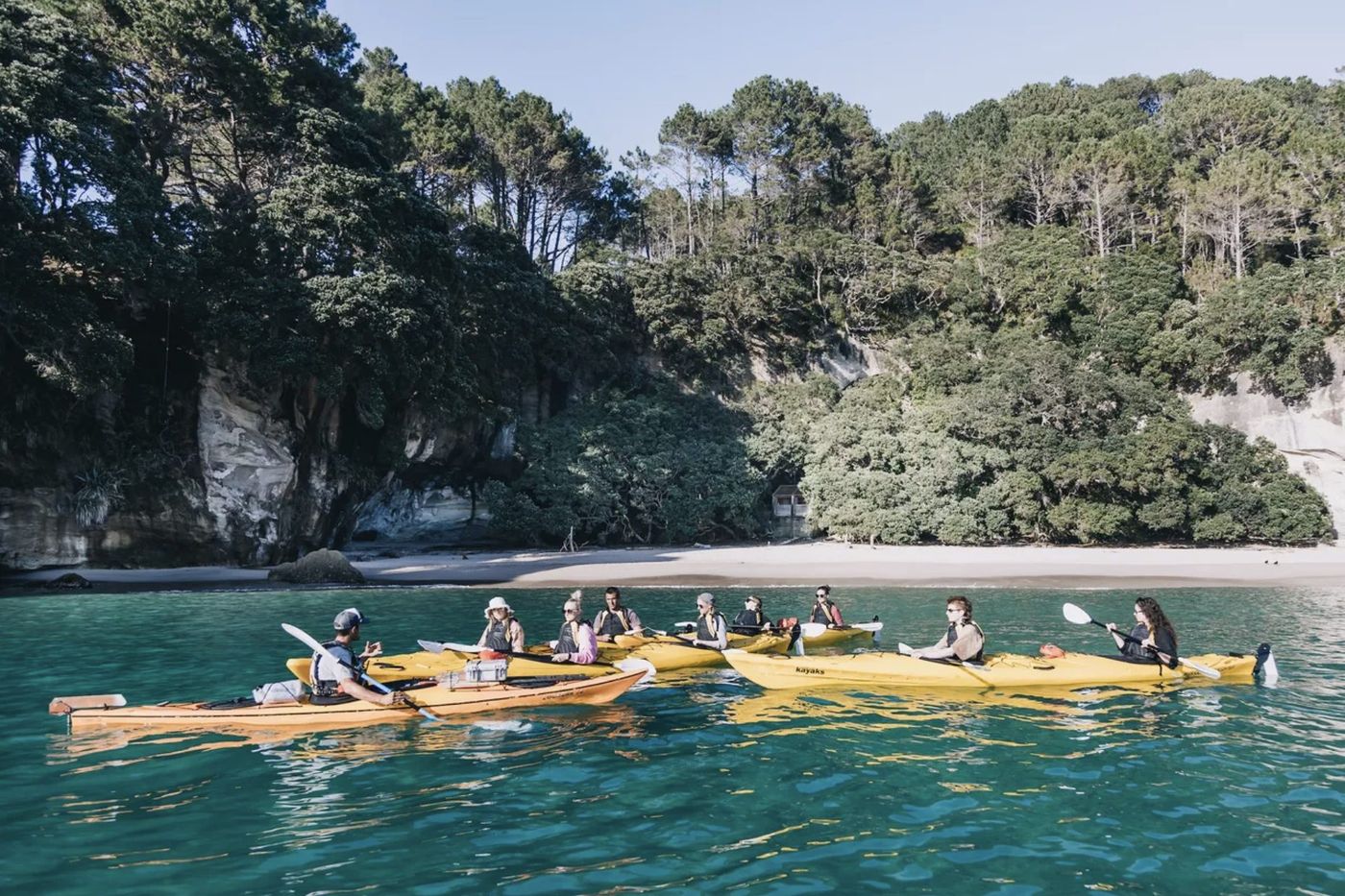
Travel inland and the character of the landscape shifts entirely. Karangahake Gorge has been shaped over centuries by the Ohinemuri River cutting through steep terrain, and the result is one of the more dramatic settings for river paddling in the country. Kayakers can work along calmer stretches, reading the water past deep pools and easy rapids with forested cliffs rising on either side.
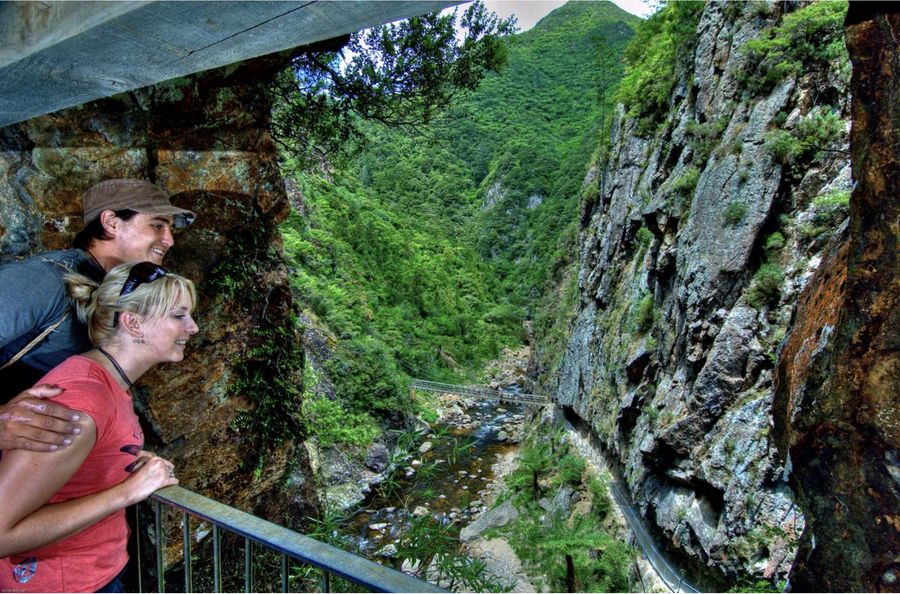
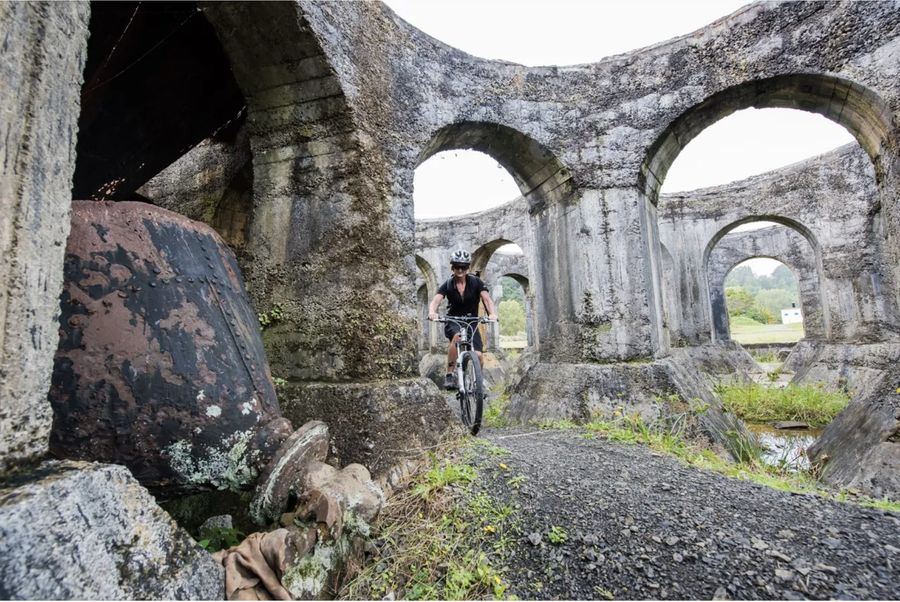
The gorge carries layers of history just below its natural beauty. Gold-mining relics appear along the walking trails: rusted battery remnants, old miners' cottages, and railway tunnels that swallow the light. Each one points back to a 19th-century gold rush that once made this a very different kind of busy place. Running alongside the river, the Hauraki Rail Trail gives cyclists a route that takes in waterfalls, native bush, and historic structures in one continuous sequence. It suits families well, and for those who want to combine paddling with cycling in a single day, the geography makes it easy. Swimming holes along the way offer a natural pause.
What makes Hauraki genuinely distinctive is this pairing of experiences. The Gulf brings productive, wildlife-rich coastal waters; the gorge delivers riverine adventure set against a backdrop of industrial history. Both are rewarding, and both carry responsibilities. On the water, that means anchoring with care, keeping clear of sensitive seabeds, checking tides and weather before setting out, and maintaining safe distances from working mussel barges. On land, it means staying on marked tracks, carrying enough water, and treating the historic structures with the care they deserve. The region has a name for this approach: GOOD FOR YOUR SOUL, the principle of Kaitiaki, engaging with nature while taking care of it and leaving each place in better shape than you found it.
Whether you are trolling for snapper off the Thames coast at first light, paddling past mussel barges in the early morning quiet, tracing calm gorge water in a kayak, or turning the pedals along the Hauraki Rail Trail, these experiences leave a mark. Hauraki's waterways are sensory and immediate, and they build the kind of memories that keep drawing people back. For those who engage with them thoughtfully, the rewards go well beyond the day itself. The region calls it GOOD FOR YOUR SOUL.