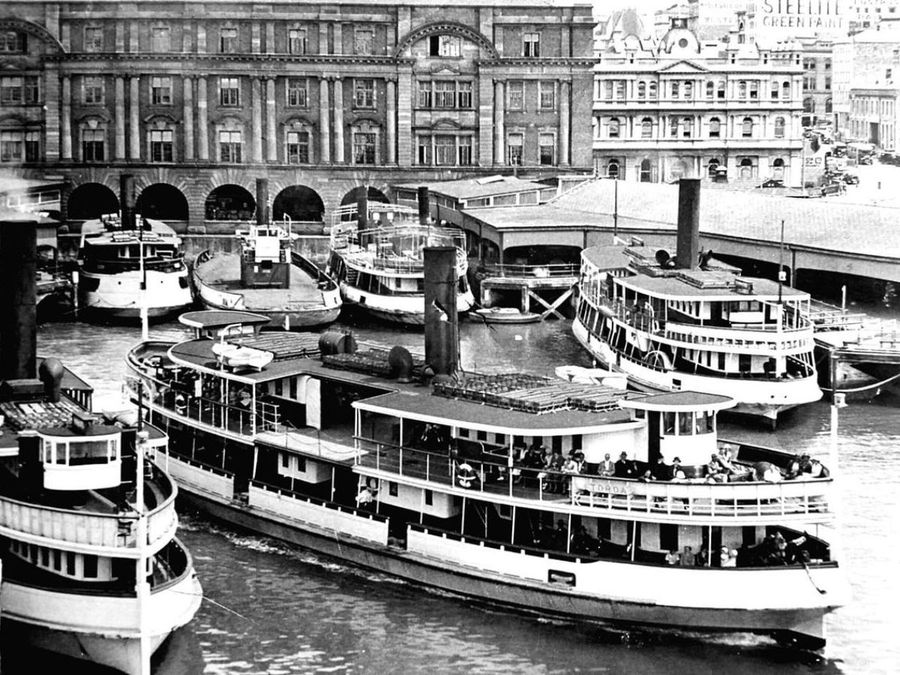
When she slid into the water at George Niccol's St Mary's Bay yard on 28 April 1925, Toroa was the finest ferry of her kind. A century later, she sits at the centre of one of New Zealand's most ambitious maritime restoration projects, and her centenary year has brought renewed urgency to the task of returning her to the Waitematā Harbour.
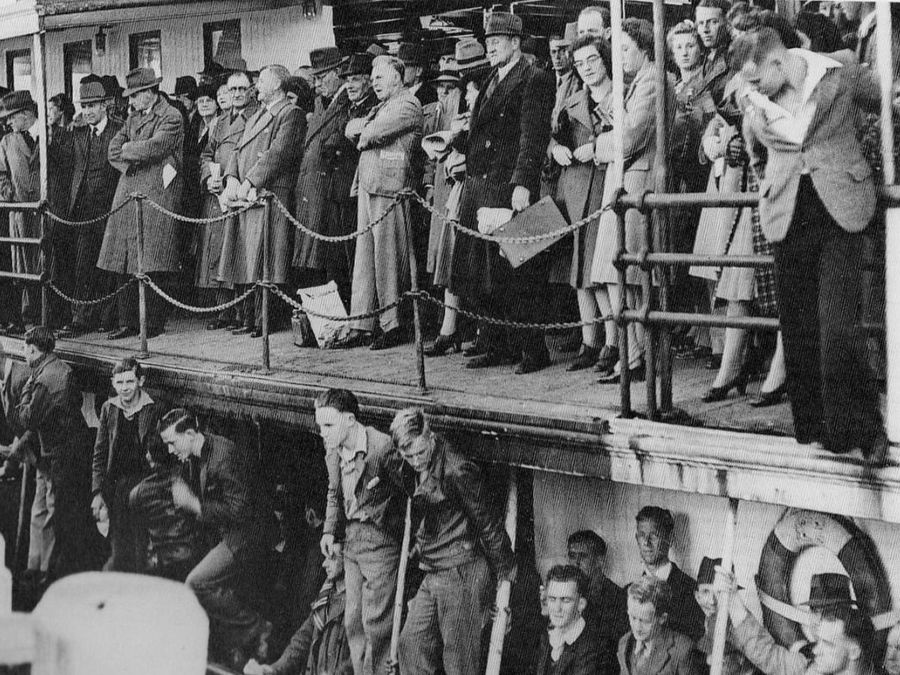
The last of the Albatross-class double-ended steam ferries built for the Devonport Steam Ferry Company, Toroa spent decades as the beating heart of Auckland's harbour commute, carrying passengers between the city and the North Shore long before the Harbour Bridge changed everything. By the time she was retired in 1980, more than 70 million people had stepped aboard her decks. In her final years she found a second life as an excursion vessel, but the expiry of her survey certificate eventually left her laid up and forgotten.
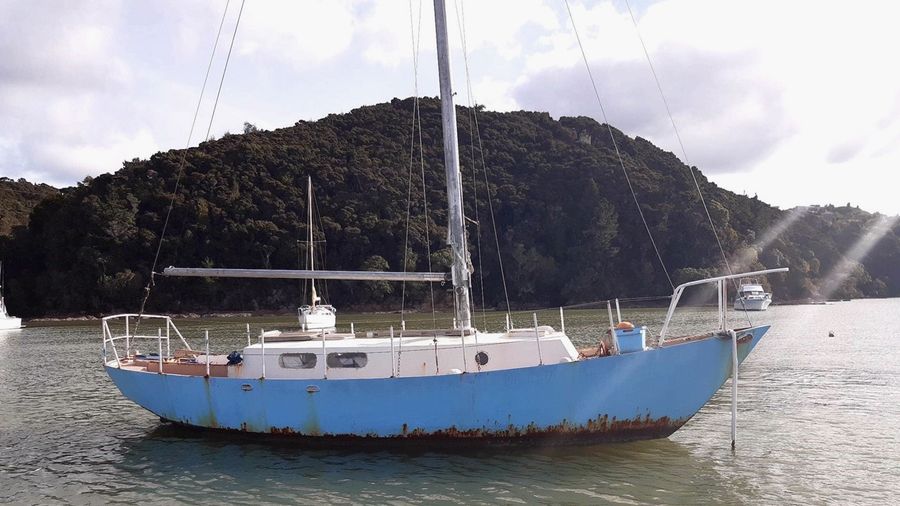
What followed was near catastrophe. Toroa sank at her moorings, was recovered from the harbour bottom, towed up Henderson Creek, and dragged onto the hard at Selwood Road. It was there that the Toroa Preservation Society (TPS) took on what many would have considered an impossible mission: rebuilding the vessel to full Maritime NZ survey standard and returning her to active service as a working heritage steamship.
To appreciate what that mission involves, it helps to understand what Toroa actually is. She measures just over 130 feet in length, with a beam of 31 feet and a draft close to 10 feet. Her hull was built using composite construction, a blend of 3-inch thick kauri planking fastened to steel bulb-angle framing, with steel bulkheads and transverse deck beams providing structural integrity. It was a tough, practical design suited to the hard daily demands of a busy harbour crossing.
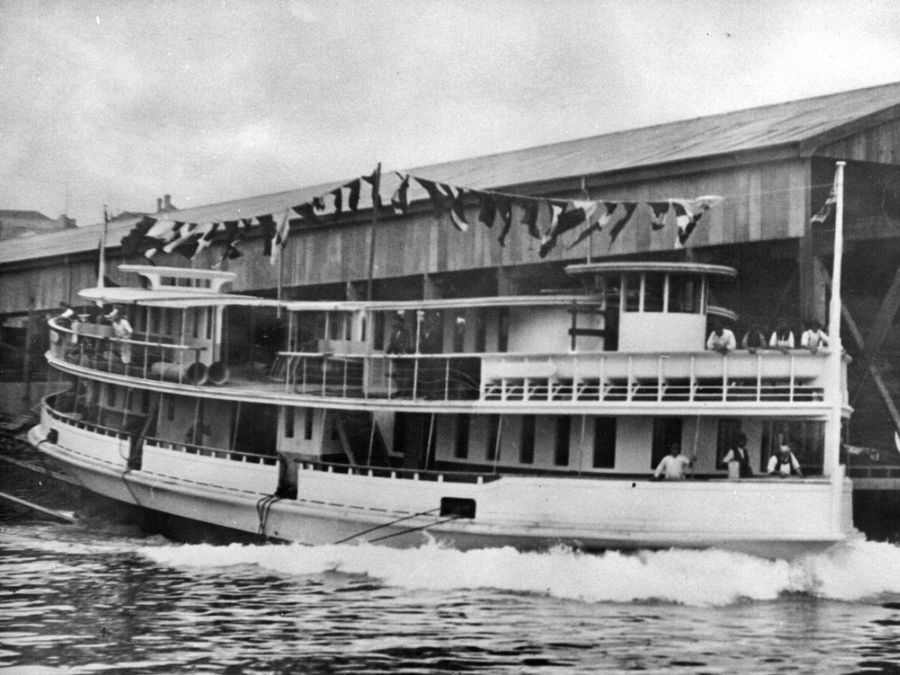
Below the waterline, Toroa carries machinery that still commands respect. Her triple-expansion steam engine was crafted by Aitcheson, Blair Ltd of Clydebank, Scotland, with cylinders measuring 12, 20 and 32 inches in diameter and a stroke of 21 inches. That engine delivered a nominal horsepower of 51 and a brake horsepower of approximately 350. Steam came from a riveted, coal-fired Scotch marine boiler built by A. & W. Dalglish of Glasgow, operating at 180 psi and fed by two Morrison furnaces. On trials she made 11.25 knots, a creditable pace for a vessel of her size and period.
Her double-ended layout was central to her usefulness on Auckland's short, busy routes. A gunmetal four-bladed propeller, 6 feet in diameter with a 9-foot pitch, sat at each end, directly coupled to the engine crankshaft. Rudders and wheelhouses at both ends meant she could dock and depart without turning, saving precious minutes on every run. She carried up to 1,221 passengers within river limits and 682 on extended runs, all managed by a working crew of just four: skipper, deckhand, engineer and stoker. During peak years, Toroa and her sister ships moved more than 20,000 people a day between Auckland and Devonport.
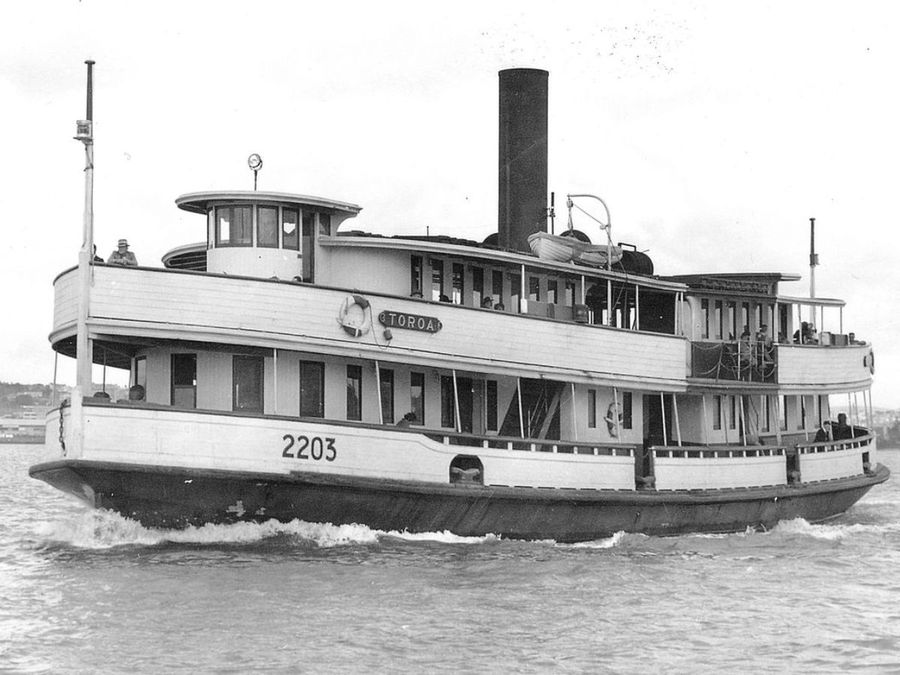
What makes Toroa particularly valuable to restorers is her authenticity. Unlike many vessels that accumulated layers of modification over long working lives, Toroa retained her core machinery and layout throughout the decades. That fidelity to her original form is now a cornerstone of the restoration effort. Her original triple-expansion steam engine has been removed, fully rebuilt, and is ready to be reinstalled. The auxiliary machinery and both wheelhouses have been overhauled as well.
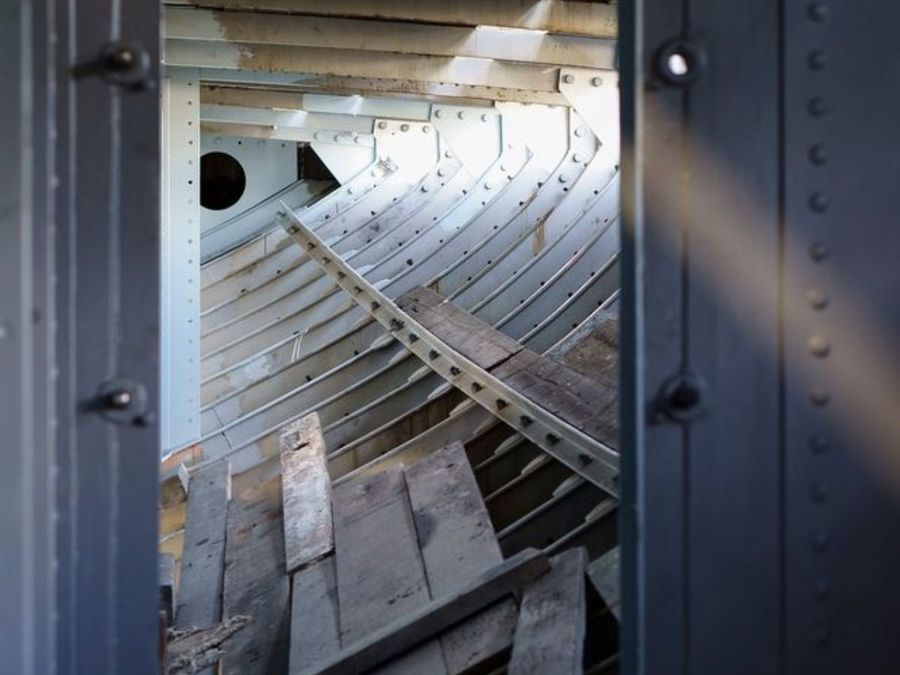
The structural work has been equally painstaking. Toroa's hull has been stripped back, and more than a kilometre of bespoke steel framing, milled in England and bent on site, has replaced the corroded original ribs, fixed in place with more than 10,000 rivets. New kauri planks will soon be laid onto that skeleton, shaped and milled at a custom timber mill built specifically for the project on site. Timber for the main deck and superstructure has been sourced, with large beams already in place.
One significant departure from the original: the restored Toroa will not burn coal. Forestry waste will serve as her fuel, a sustainable alternative that cuts emissions while preserving the character of her steam propulsion. When she returns to the water, she will be certified to carry up to 400 passengers, connecting Devonport, Chelsea, Rangitoto and Motutapu with new generations of Aucklanders, and hosting charters, music events and educational voyages along the way.
Sir Bob Harvey, patron of the restoration effort and former Waitakere mayor, has described Toroa in terms that leave no doubt about what she means to the city:
“An important part of New Zealand Aotearoa's maritime and social history; it must be preserved and oeprate again on its home, the Waitematā Harbour."
Peter McCurdy, President of the Toroa Preservation Society, shares that conviction.
“We just keep on working to realise the vision to have Toroa back on the water. It's vital to reconnect people with our harbour, to learn and value our marine environment-and to have some fun doing it."
That future, though closer than it has ever been, is not yet secured.
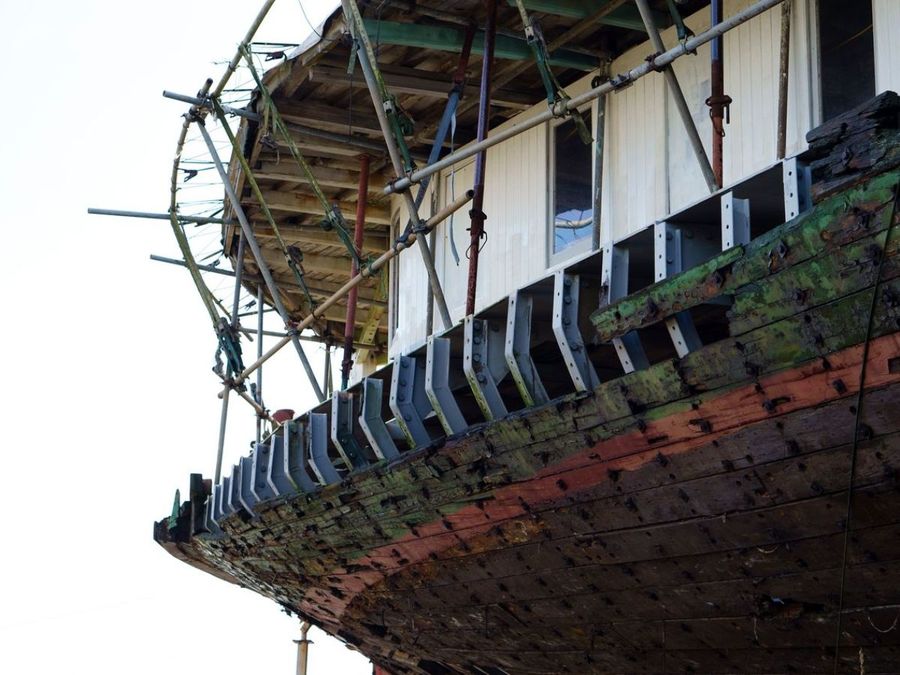
The TPS is actively seeking donors, sponsors and volunteers, including people with backgrounds in marketing, communications and the trades, to help carry the project through its remaining stages. The next phase of work covers hull planking, deck construction, interior restoration and the compliance process required for survey approval. With the centenary placing Toroa firmly in the spotlight, the society believes the moment for a final push has arrived.
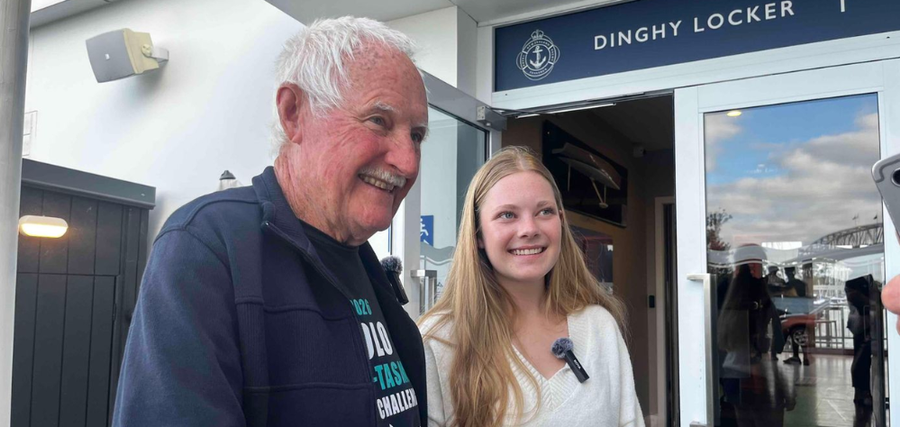
“You're going to get there," said Leigh Doeg, who has restored historic vessels in Australia. "This is going to be a huge success."
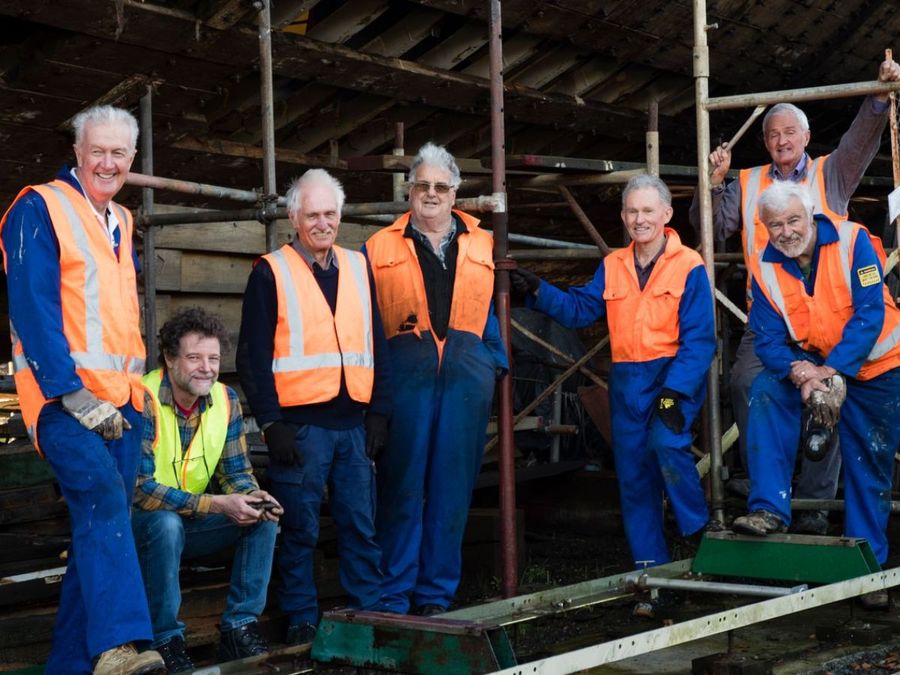
The Toroa Preservation Society operates as a non-profit organisation. Donations are tax-deductible and go directly towards materials, skilled labour and equipment. Volunteers from all backgrounds are welcome to get involved.
| THIS IS A CALL TO ACTION TO SUPPORT THE RESTORATION OF AUCKLAND'S LAST STEAM FERRY BACK FROM THE BRINK SS TOROA CELEBRATES HER CENTENARY | The historic ferry TOROA turns 100 this year, and her dedicated restoration crew are putting out an urgent call to action for the support of donors, sponsors and volunteers to get behind the completion of the restoration and the return of the historic ferry to operation on the Waitematā as a gift to the nation. Raised from the bottom of the harbour, towed to Henderson Creek and onto the hard at Selwood Road, S.S. Toroa is the last of her kind and the only survivor of the steam ferry fleet which plied Auckland's harbour before the harbour bridge. Marking her centennial year, the volunteer team of the Toroa Preservation Society are ready to instal her new planking on her new frames, frames made from a kilometre of bespoke steel milled in Northern England, hot- bent to shape at the restoration yard and installed with steel bulkheads and over 10,000 rivets. Her original ribs were so badly corroded that until this massive task was completed the new planks had nothing to be attached to. In tandem, very large timbers have been sourced, an onsite timber mill erected, and planking is being milled in preparation for Tora’s new hull and decking. Also completed is the restoration of the triple expansion engine (which was craned out through the steamship’s deck), auxiliary machinery and the two wheel-houses. Colossal progress, mostly invisible from the outside. The steamship is being restored to Maritime NZ standards and will be able to operate on forestry waste, not coal, and carry up to 400 passengers — passengers who can enjoy the peaceful heartbeat and open decks of this historic steam-powered vessel while exploring and taking pleasure in our harbour, gaining an appreciation of our precious marine environment and the story of Aotearoa’s incredible maritime heritage, and Tāmaki Makaurau’s long tradition of boat building from waka tētē to sailing ships, coasters, steam ferries and yachts. Operating as a heritage excursion steamer, the Toroa will connect with historic Devonport and North Head, lunch and a tour of the Chelsea Sugar Works, and the ecological and historic revival of volcanic Rangitoto and Motutapu. And the other way, up the harbour to Hobsonville and to Herald Island, once owned by the Devonport Steam Ferry Company and destination by steam ferry for every works, church and society annual picnic. The Toroa will carry locals, visitors national and international, heritage tourists, cruise ship passengers, and every school pupil in Auckland. With four cabins on two vast decks, she will provide corporate and private charters and a superb venue for music. A unique and pleasurable contribution to Auckland’s tourism offerings. Sir Bob Harvey, former mayor of Waitakere City, and Toroa patron, says, “Toroa is an important part of New Zealand Aotearoa’s maritime and social history; it must be preserved and operate again on its home, the Waitematā Harbour. Toroa has been at the centre of water transport on the harbour for 100 years. It’s had a little rest while it’s being repaired and restored, and now we can hardly wait to see it afloat again.” TPS President Peter McCurdy says, “We just keep on working to realise the vision to have Toroa back on the water, to bring her back to life as an Auckland excursion steamship, like the Earnslaw on Lake Wakatipu. It’s vital to get people reconnected with our waterways and harbour, to learn about and value our marine environment and our maritime heritage, and to have some fun doing it.” Leigh Doeg, the driving force behind the restoration of an Australian ferry and a steam tug, visited the Toroa recently and was astonished at the achievement of the restoration so far and said, “You’re going to get there, and this is going to be huge success.” Toroa has survived against the odds and is now ready for a well-supported push to complete the restoration and get her ready to be launched back on the Harbour. The Society needs generous donors, sponsors and advocates to make that happen, as well as additional members and volunteers (including those with marketing and social media skills). The Toroa Preservation Society can be contacted via the website www.steamferrytoroa.com |