Two incidents at Tauranga's marina, separated by little more than twelve months, serve as a stark reminder that onboard systems remain the leading fire risk for recreational boat owners across New Zealand.
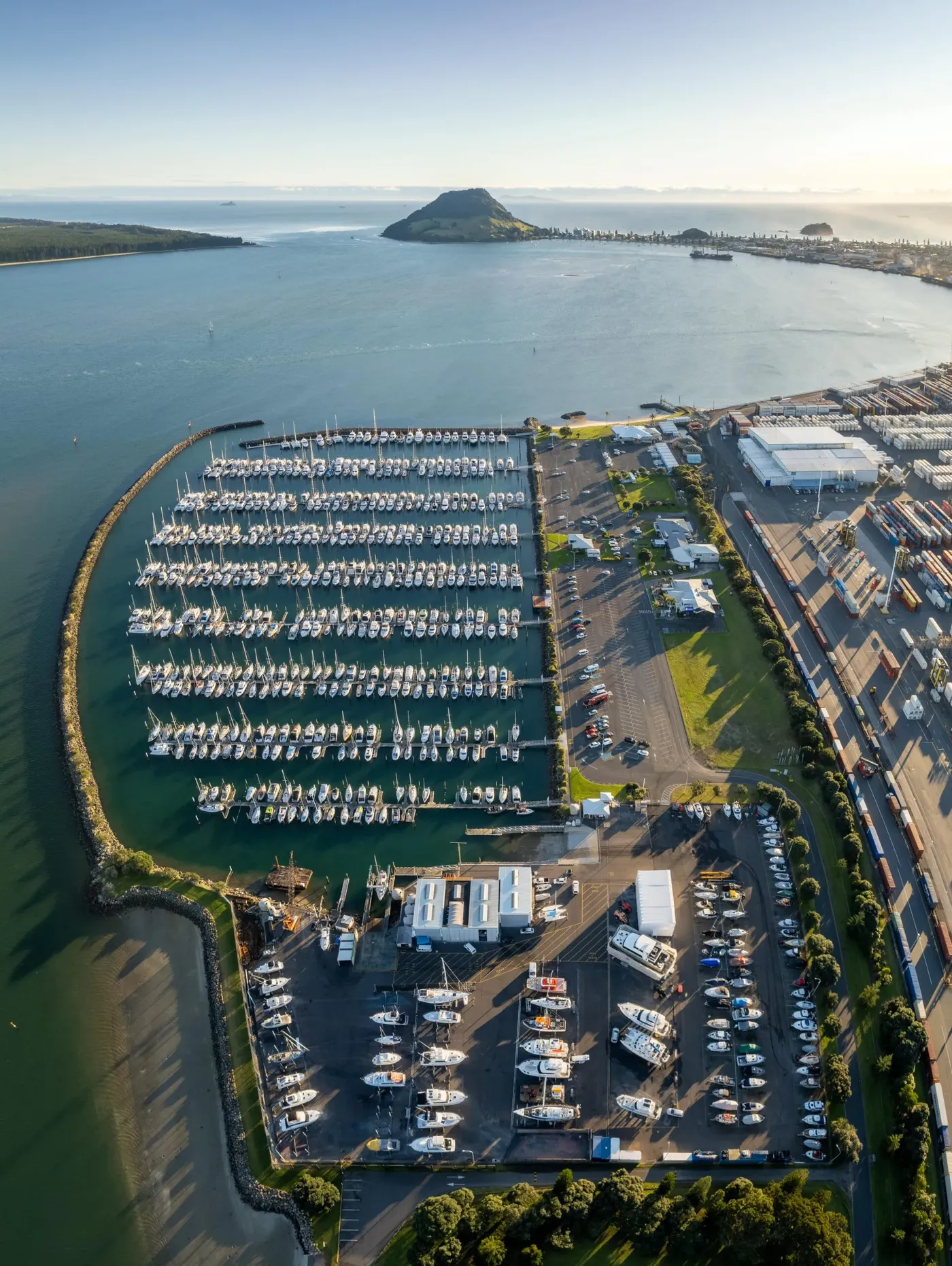
The first event struck in the early hours of March 2025, when a serious fire broke out shortly after 1am and swept through a section of the marina. Fifteen vessels were caught up in the blaze. Four were destroyed completely, while a further eleven suffered varying degrees of heat, smoke, and electrical damage. Multiple emergency crews responded and succeeded in preventing the fire from spreading further. Investigators were unable to establish a confirmed cause, though the evidence pointed to an electrical fault aboard one of the vessels involved as the likely origin.
A little over a year later, on 21 March 2026, emergency services were called to Tauranga harbour again, this time after an explosion occurred aboard a boat during the early afternoon. The second incident was far more contained than the 2025 fire, with only minor smoke observed at the scene. One person was transported to Tauranga Hospital in a moderate condition.
The two events differ considerably in scale, yet both expose the same underlying vulnerabilities. The 2025 fire fits the profile of an electrical ignition, where heat builds steadily before igniting surrounding materials and spreading. The 2026 explosion carries the hallmarks of a fuel or gas vapour event, the type of sudden, high-energy release that can occur with little warning and no opportunity to intervene.
The marina setting amplifies the danger inherent in both scenarios. When vessels are moored in close proximity, a fire or explosion aboard one boat can reach neighbouring hulls with alarming speed, transforming a manageable problem into a major emergency across multiple vessels.
The practical lesson both incidents share is straightforward. Routine inspection of electrical wiring, battery installations, and fuel or gas systems is a fundamental safety obligation rather than something to be treated as optional upkeep. Reliable early detection equipment, combined with a consistent and disciplined approach to preventative maintenance, represents the most effective protection available to boat owners.
Go Boating NZ contacted Tauranga Marina for comment and was awaiting a response at the time of writing. The article was modified from earlier reports during that period.