Meticulous recovery to safeguard Samoa’s waters
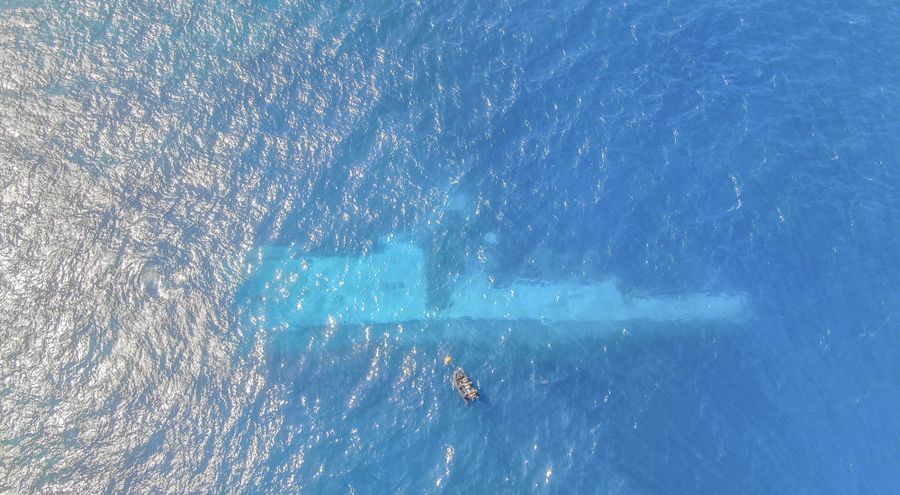
The salvage operation on HMNZS
Manawanui
has entered its most complex phase yet. After 17 days of intensive work, salvors have successfully removed a significant quantity of diesel fuel, lubricating oil, and other contaminants from the decommissioned vessel. The salvors’ barge has now returned to Apia to unload another round of recovered pollutants—marking a key milestone in the mission. New Zealand Defence Force (NZDF) Senior National Representative for Operation Resolution, Commodore Andrew Brown, praised the progress made so far.
“Excellent progress is being made with the removal of diesel fuel and other pollutants from HMNZS Manawanui,” said Commodore Brown. “This stage of the salvors’ diving operations involves meticulous planning, using advanced techniques and specialised equipment, to ensure safety and precision.”
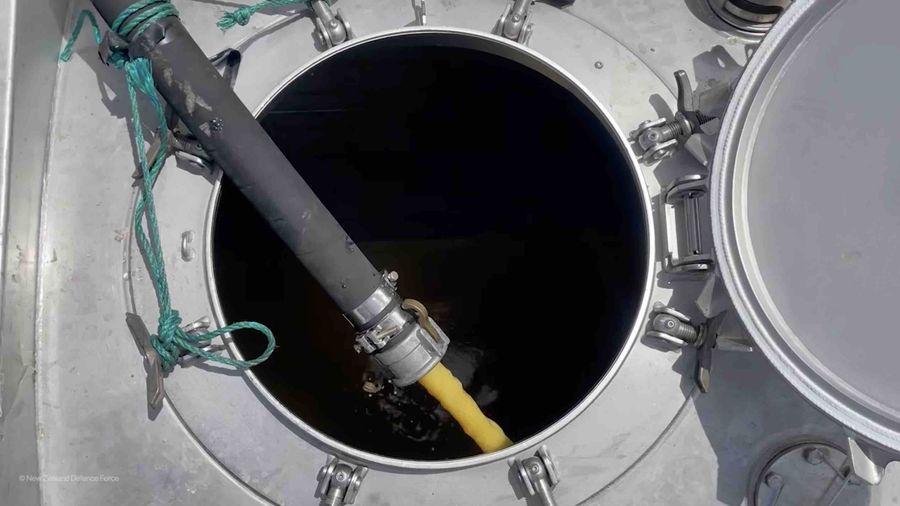
However, the operation is far from over. While much of the fuel has been pumped from the more accessible tanks, the focus has now shifted to the hardest-to-reach areas of the ship. Salvage divers are cutting access ways into the structure to extract fuel from enclosed compartments, a painstaking process that requires absolute precision.
“All of this is occurring while we maintain an absolute focus on protecting coastal and marine environments,” Brown reaffirmed.
A demanding underwater operation
Rob Campbell, Managing Director of Bay Underwater Services and co-director of Pacific Seven—the New Zealand-based company appointed to handle the oil and fuel removal—outlined the complexity of the task.
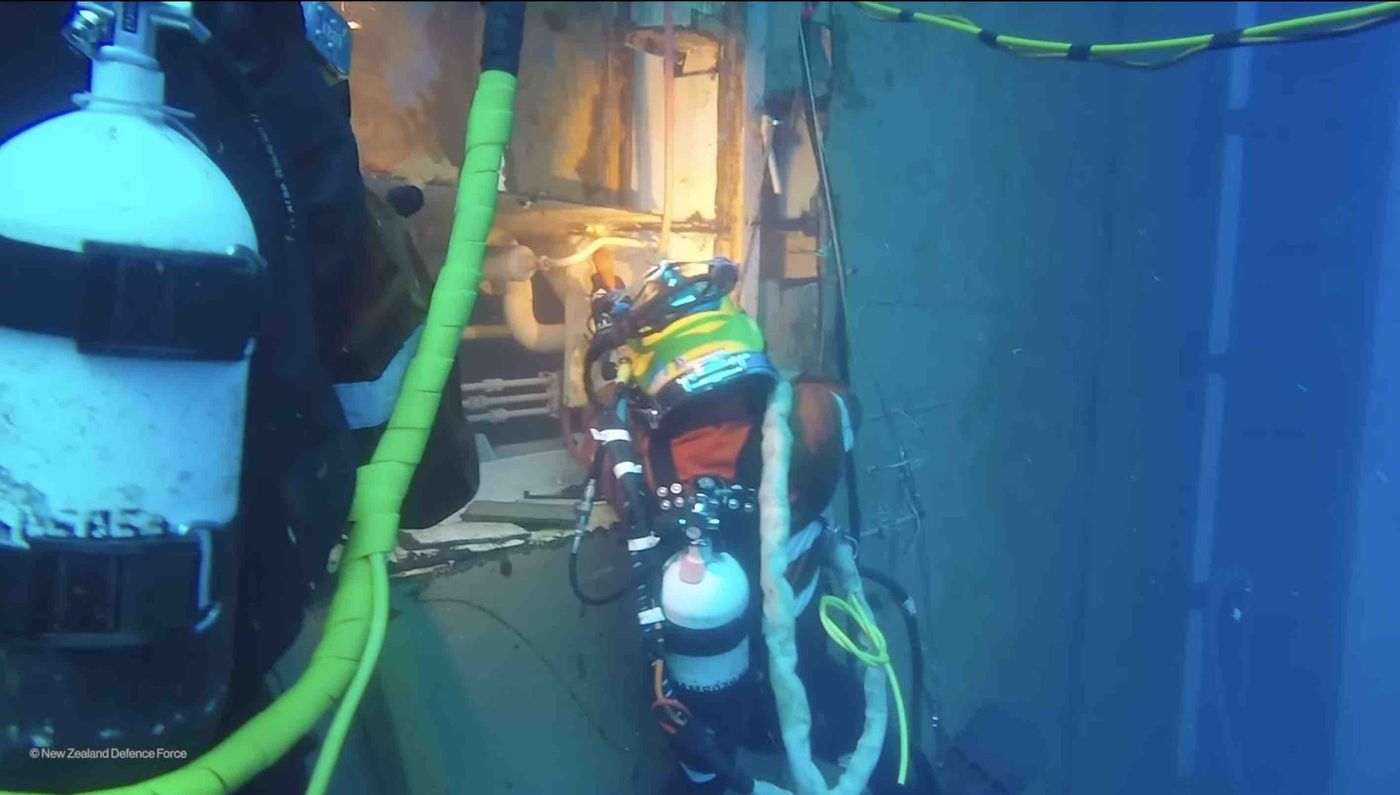
“Our dive teams have been working 12-hour days, seven days a week,” Campbell said. “Over the past week, we have started some very complex penetration diving operations, cutting into the hull to recover fuel and oil from the smaller and harder-to-reach tanks.”
This phase of the operation involves using an oxy-arc underwater cutting system to breach the ship’s hull, allowing divers to access the remaining fuel stores. The work is carried out in shifts, with two divers in the water at any given time for up to 90 minutes. Extensive planning is required before each dive to ensure the operation is conducted safely.
“There’s a huge amount of planning before getting into the water to ensure the diving operation is undertaken safely,” Campbell added.
The scale of the recovery effort
As of 4 February, more than 340,000 litres of liquid has been extracted from
Manawanui
’s fuel tanks. This includes an estimated 320,000 litres of diesel fuel mixed with seawater, as well as 18,000 litres of lubricating oil. However, the final fuel quantity won’t be confirmed until the liquid is fully processed and separated from seawater.
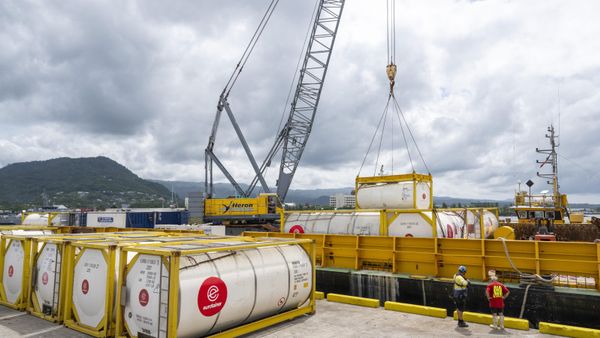
With 54 tanks of various sizes onboard containing a mix of diesel, lubricants, bilge water, and wastewater, the operation remains a meticulous and ongoing effort.
What’s next for HMNZS Manawanui?
With the bulk of the fuel removal nearing completion, attention is turning to the future of
Manawanui
. The Samoan and New Zealand governments are working closely to determine the next steps for the vessel.
“With the diesel fuel and other pollutants removal well underway, our focus is now shifting to what’s next for Manawanui,” Brown said. “As we progress towards the completion of the diesel fuel and other pollutants removal, it is extremely important we remain focused on doing a careful and thorough job.”
The final fate of
Manawanui
is yet to be decided, but both governments remain committed to ensuring that whatever follows aligns with environmental and maritime safety standards.
Safeguarding Samoa’s marine environment
This salvage operation is critical in preventing long-term environmental damage. Left unattended, the pollutants aboard
Manawanui
could pose a serious risk to Samoa’s marine ecosystems. The careful extraction process has been designed to minimise potential contamination, with salvors using advanced pumping and containment methods to ensure no fuel leaks into surrounding waters. New Zealand’s commitment to environmental responsibility remains at the heart of Operation Resolution. Commodore Brown reinforced that message.
“New Zealand remains absolutely committed to doing the right thing.”
As the final stages of fuel removal continue, the operation remains a testament to the expertise, dedication, and environmental stewardship guiding this mission.