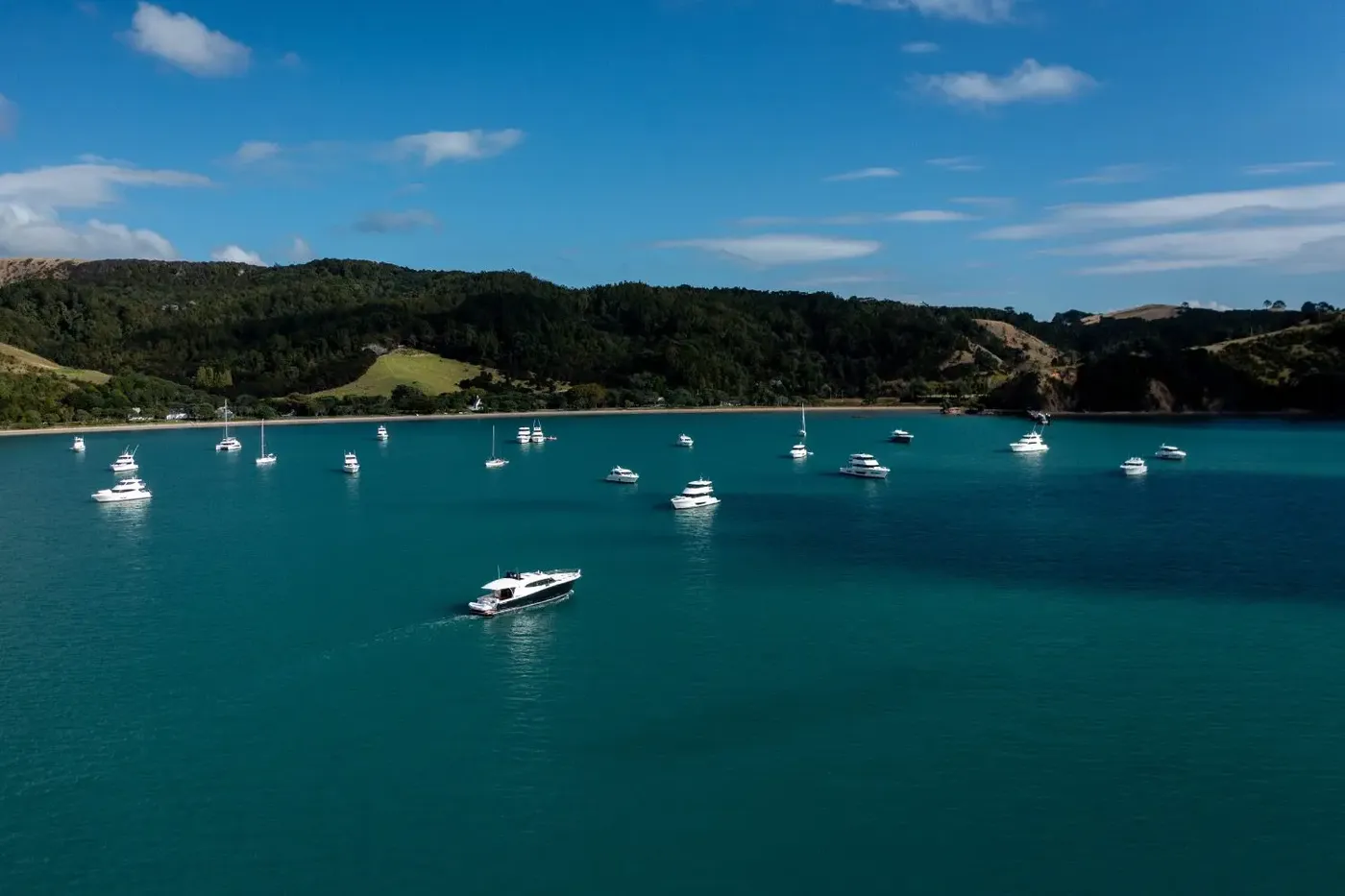
New Zealand's North Island punches well above its weight as a cruising destination. Sheltered anchorages, world-class fishing, remote wilderness and vibrant coastal towns sit within easy reach of each other, making this stretch of the Southern Hemisphere's Pacific coastline genuinely hard to beat.
The Hauraki Gulf, lying just east of Auckland, is where most voyages begin. A dense scatter of islands creates a rare combination of natural beauty and easy accessibility, with conditions that suit everything from a lazy weekend getaway to a serious multi-week passage. Marine reserves offer superb swimming and diving, while the fishing throughout the Gulf is productive year-round, with kingfish, kahawai, trevally and snapper among the main targets. Dolphins are a regular sight, and patient observers may catch a glimpse of the endangered Bryde's whale.
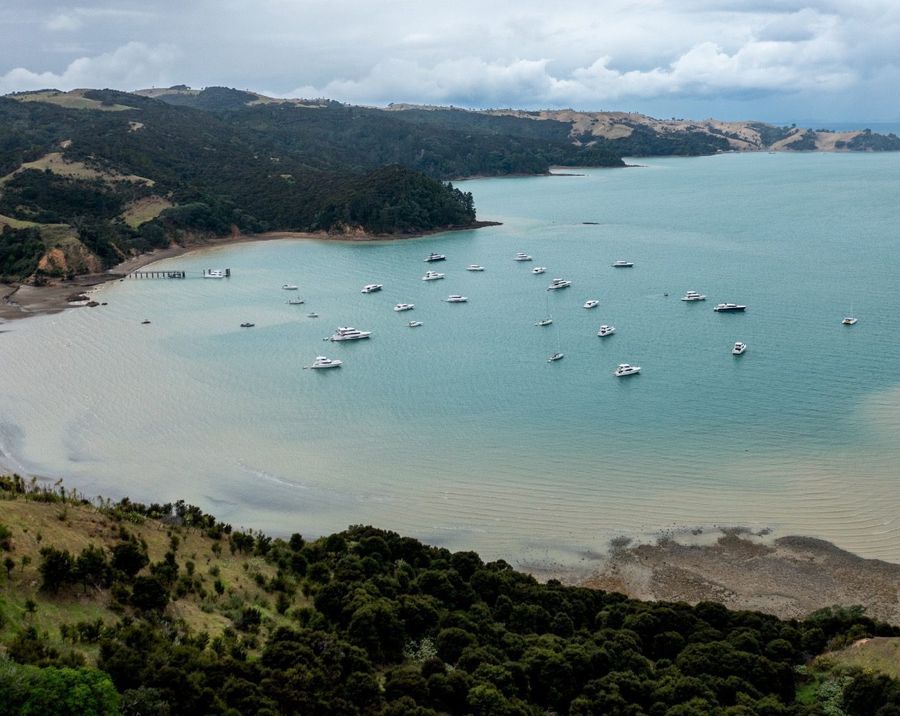
Waiheke Island draws cruisers in first, and for good reason. Its mix of sheltered bays, sandy beaches and acclaimed shore-side hospitality is difficult to resist. Anchorages including Man O' War Bay and Oneroa Bay put you within easy reach of some outstanding dining and vineyard experiences before you return to the quiet of your vessel for the evening.
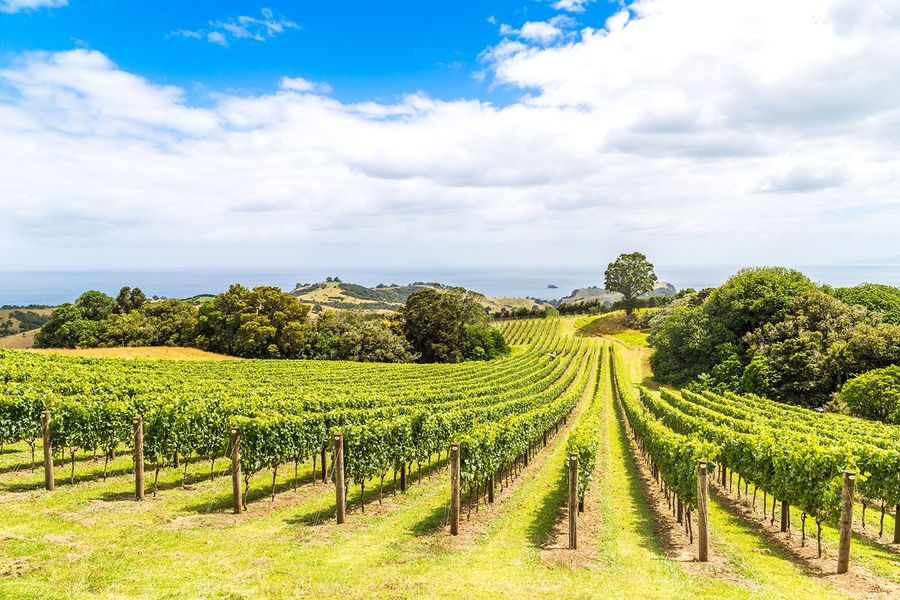
The Mudbrick Vineyard and Restaurant has built a strong reputation for its food, wine and panoramic views, while Tantalus Estate and the Oyster Inn, the latter celebrated for its seafood, are equally worth seeking out. All three are popular enough to require advance bookings.
North of Waiheke, Bon Accord Harbour on Kawau Island ranks among the finest natural anchorages in the country. Calm, well-protected waters make it well suited to swimming and snorkelling, and there is plenty to keep you occupied ashore. The historic estate of Sir George Grey, complete with exotic gardens and colonial heritage, is well worth a visit, as are the island's many walking tracks. With no public roads on Kawau, the sense of peace and seclusion is genuine rather than manufactured.
The Bay of Islands offers something quite different, though no less compelling. More than 140 islands dot these warm, clear waters, and a network of sheltered anchorages handles a wide range of conditions with ease. The marina at Opua provides full-service facilities for provisioning and maintenance, while the nearby towns of Russell and Paihia deliver history, dining and a connection to local culture that rewards time ashore.
Within the Bay itself, Urupukapuka Island is a favourite stop, its protected bays and walking tracks drawing cruisers back season after season. The lagoon anchorage at Roberton Island is something special, a beautifully sheltered spot framed by white sand and native bush. The Waewaetorea Passage delivers some of the most picturesque cruising in the entire region, and in settled conditions many skippers make the run out to the Hole in the Rock at Piercy Island, one of New Zealand's most recognisable maritime landmarks. The formation allows vessels to pass through its natural archway when conditions permit. Marine life throughout the Bay is abundant, with dolphins, orcas, seals and native birds all frequently encountered. In June and July, migrating whales add to the spectacle.
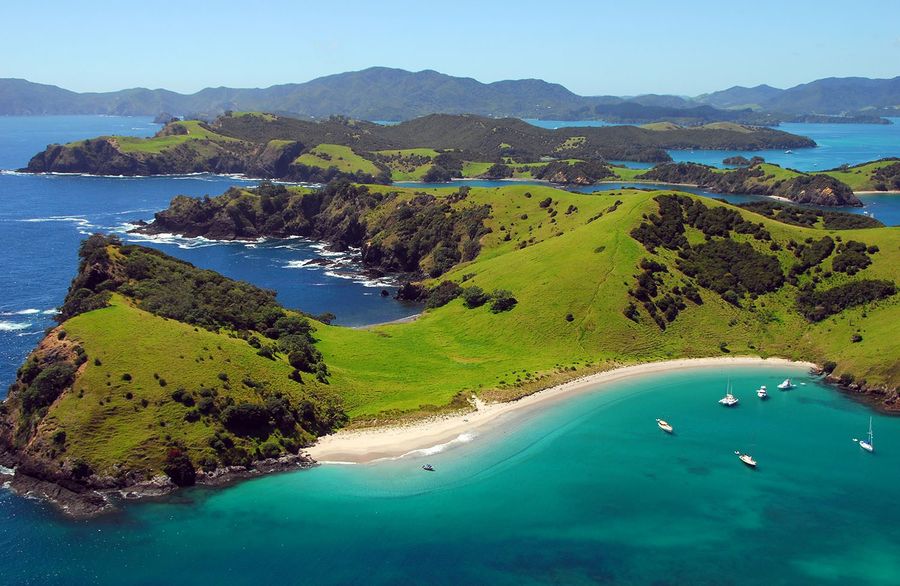
The Bay of Islands is widely regarded as one of New Zealand's top saltwater fishing destinations, sometimes called the Angler's El Dorado. Striped marlin, yellowtail kingfish, snapper and tuna all draw serious anglers to these waters.
Whangamumu Harbour appeals to those after something quieter and more remote. A safe, deep-water harbour with bronze sandy beaches, crystal-clear water and the shade of pohutukawa trees overhead, it also holds historical interest in the form of a unique shore-based whaling station, the remnants of which can be explored along walking trails through coastal forest.
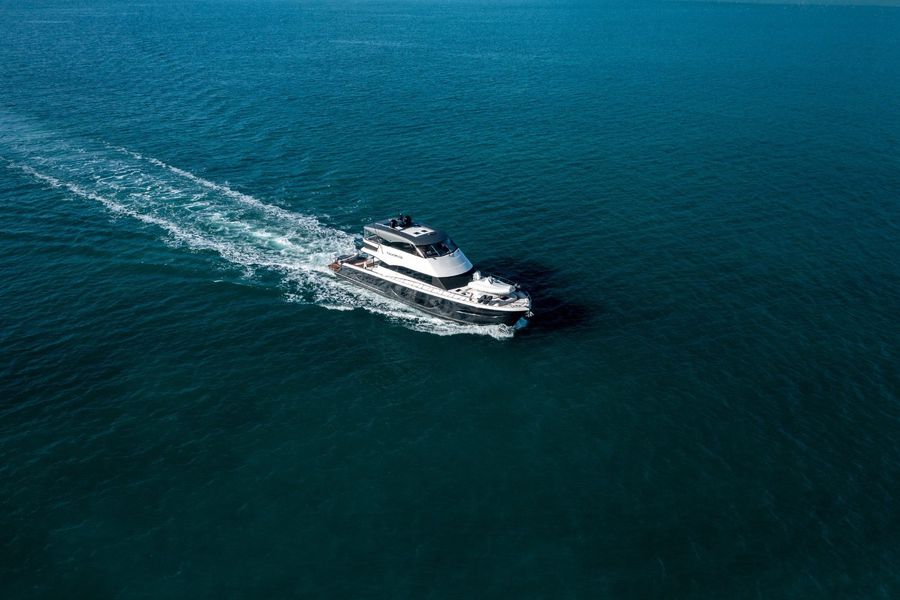
Great Barrier Island rewards those willing to make the approximately 50-nautical-mile passage from Auckland. The contrast between its wilderness character and its proximity to a major city is striking. More than 60 percent of the island is blanketed in native forest, providing habitat for rare species including the black petrel, brown teal and chevron skink.
The island's western harbours, Port Fitzroy and Whangaparapara Harbour in particular, offer exceptional shelter and some of the finest natural anchorages anywhere in New Zealand. Deep, well-protected waters allow vessels to lie safely at anchor across a wide range of conditions, making extended stays genuinely comfortable.
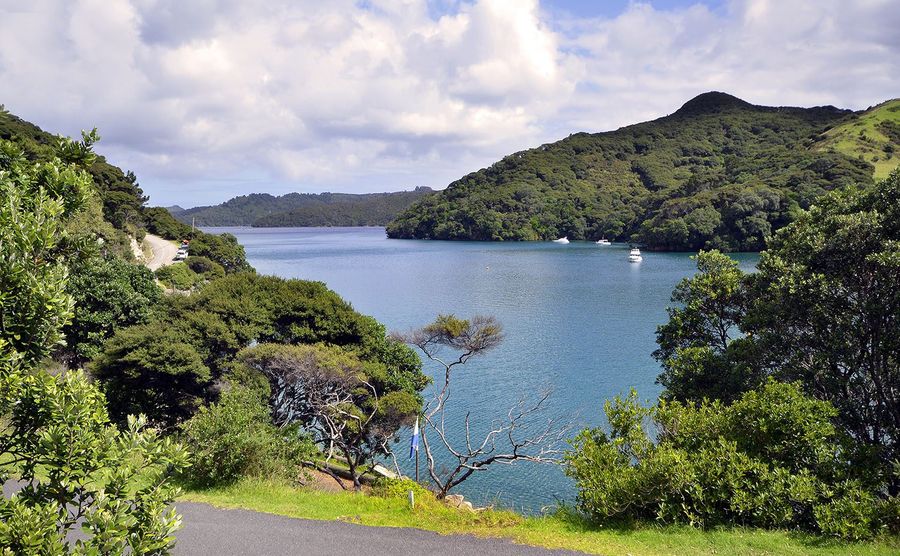
Port Fitzroy has become a must-see stop for North Island cruisers, with multiple bays, good holding ground and the added attraction of the Kaitoke Hot Springs, where natural thermal pools are a welcome reward after time at sea. Further south, Tryphena Harbour provides access to walking tracks, small cafés and the island's modest settlements, while Kaiaraara Bay serves as the jumping-off point for the climb to Mount Hobson, the island's highest peak. Provisioning options on Great Barrier are limited, so careful planning and a well-stocked vessel are essential before departure.
Timing shapes the experience considerably. December through March brings the most favourable cruising conditions overall, with warmer temperatures, longer days and generally more settled weather. Water temperatures during summer are comfortable for swimming and other water activities. The trade-off is that this is peak season, and marina berths, particularly in the Hauraki Gulf and Bay of Islands, can be in high demand, so advance planning is sensible. The shoulder seasons of October to November and April to May can deliver excellent conditions with noticeably fewer boats around, though weather variability increases as summer fades.
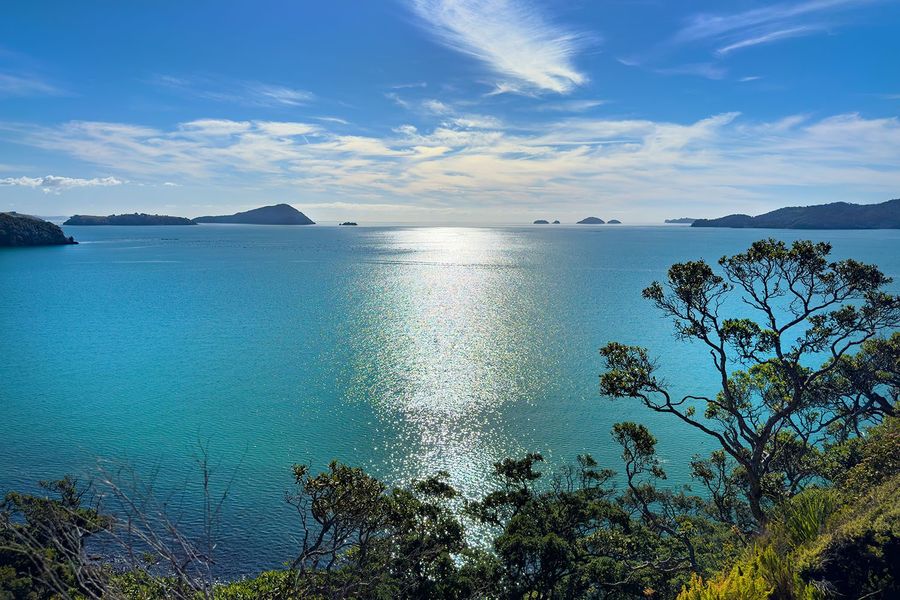
Winter cruising from June to September calls for a more cautious approach. Stronger winds, frequent low-pressure systems and colder water temperatures add complexity to longer passages, especially to exposed destinations like the eastern Coromandel coast or Great Barrier Island. Experienced crews can still find good windows during winter, but itineraries need to remain flexible and conservative.
Good planning underpins any successful cruise in these waters, regardless of season. Weather can shift quickly, and the localised effects generated around headlands and islands can produce conditions that diverge markedly from regional forecasts. Sound forecasting tools, thorough route planning and a readiness to adapt your schedule are not optional extras but core requirements. Anchorage selection deserves careful thought too, since seabed conditions vary considerably and tidal range can influence both swing room and available depth. The further you venture from Auckland and other major centres, the more critical fuel management and provisioning become.
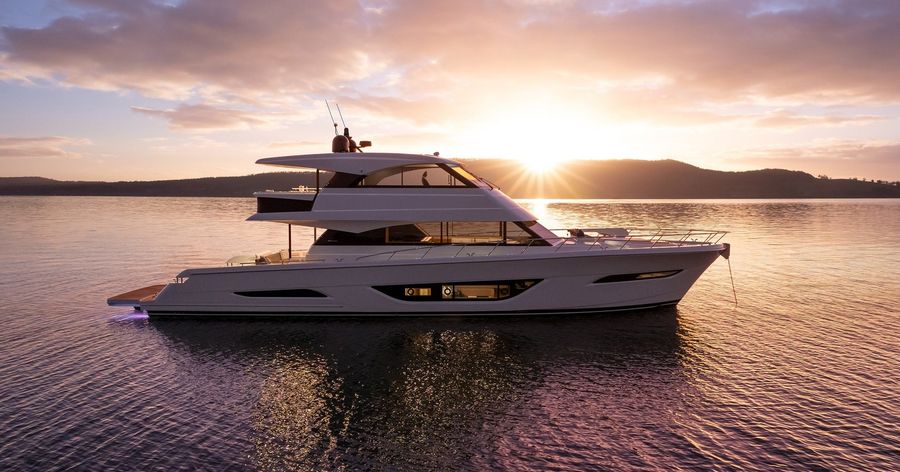
The North Island's cruising grounds offer a genuinely exceptional combination of comfort, variety and adventure. Whether the appeal lies in short coastal passages between island anchorages, extended exploration of the Bay of Islands, or a self-sufficient sojourn on Great Barrier, these waters have the depth to satisfy curious and experienced cruisers alike. Approached with respect for local conditions and the right degree of preparation, New Zealand's northern coast delivers a cruising experience that is both deeply rewarding and long remembered.