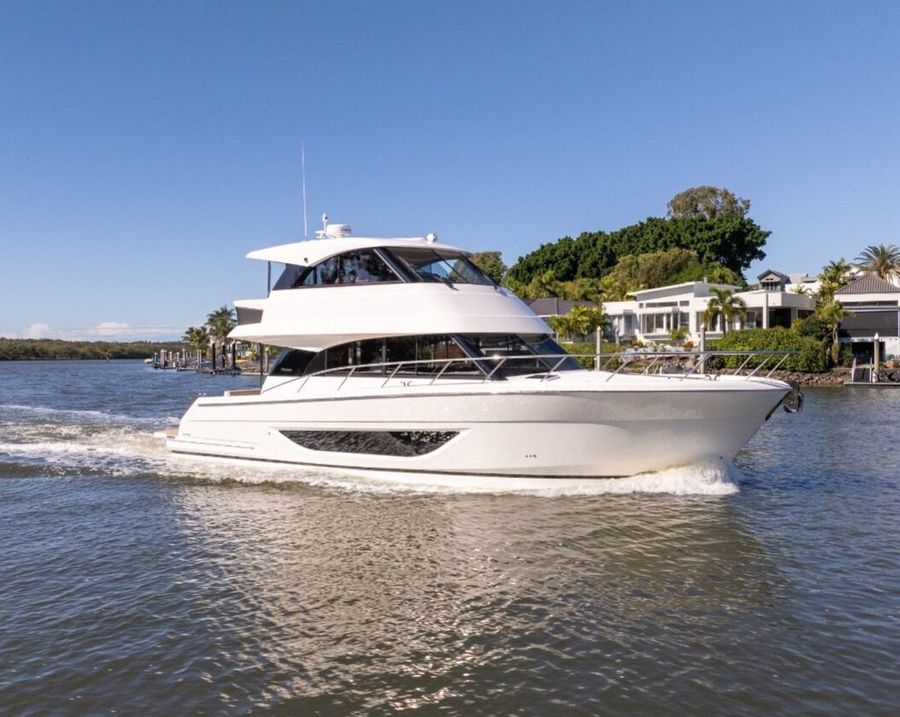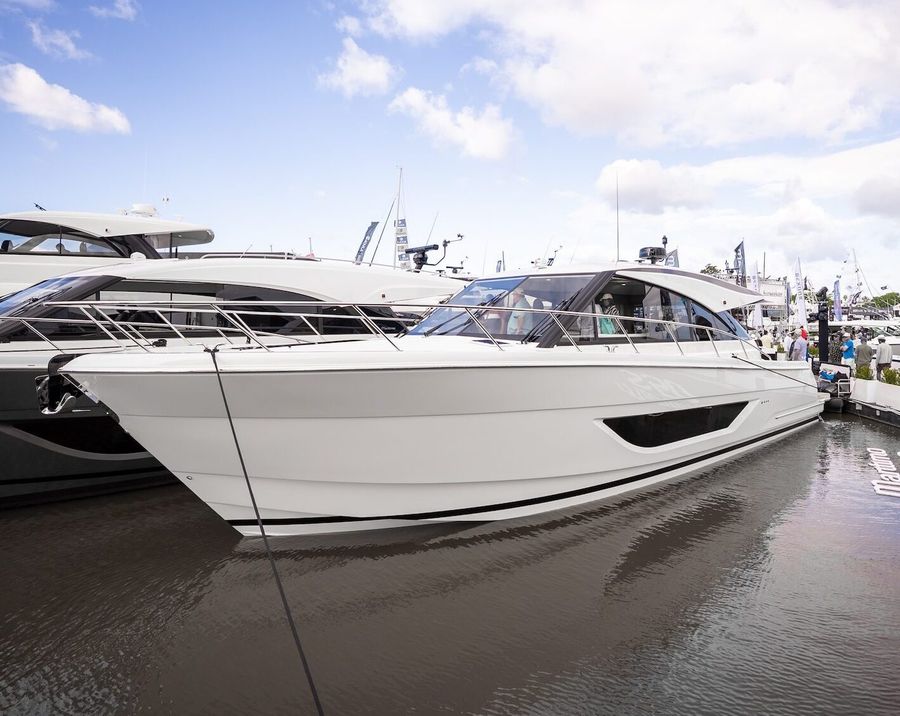
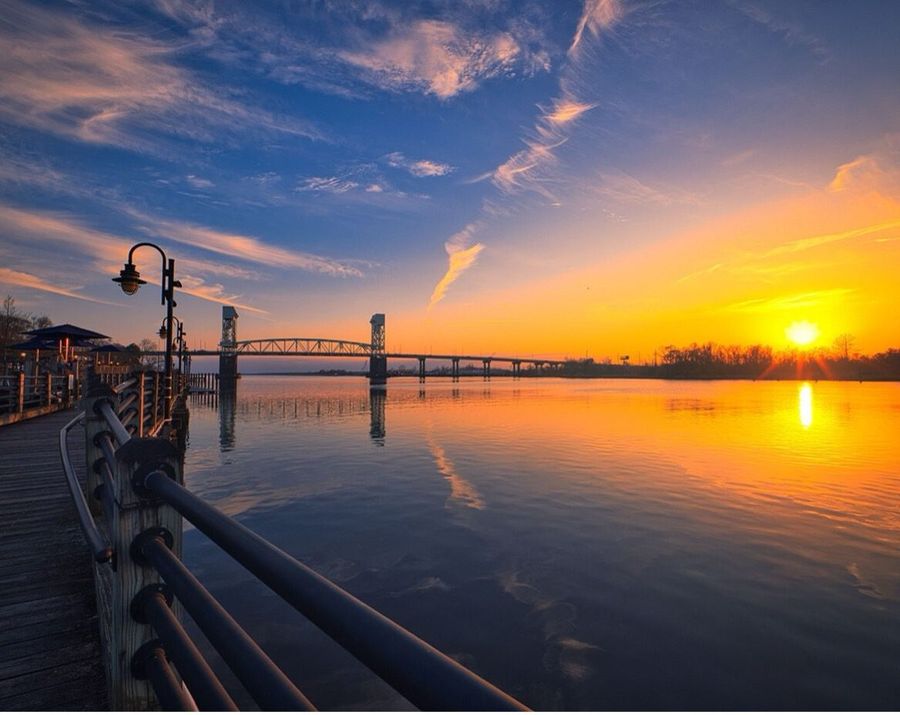
There is something experienced skippers recognise the moment the lines come off: engines settling into their cruising note, the marina falling away astern, and a passage that existed only as a plan suddenly acquiring weight and purpose. A voyage north along the American Atlantic seaboard, starting at Hilton Head Island and working through the Carolinas toward Chesapeake Bay, offers exactly that kind of travel: unhurried, layered, and rich with detail that stays with you long after you are back ashore.
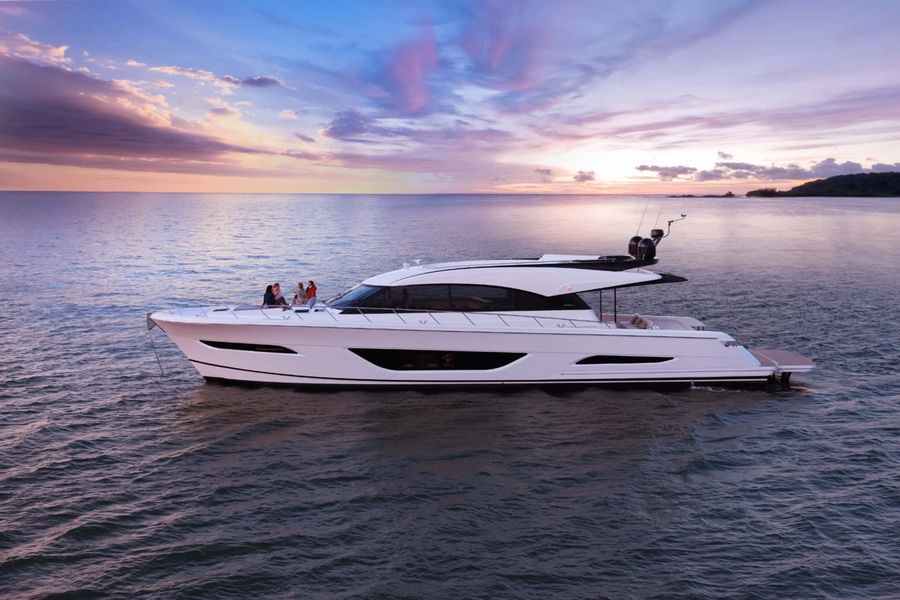
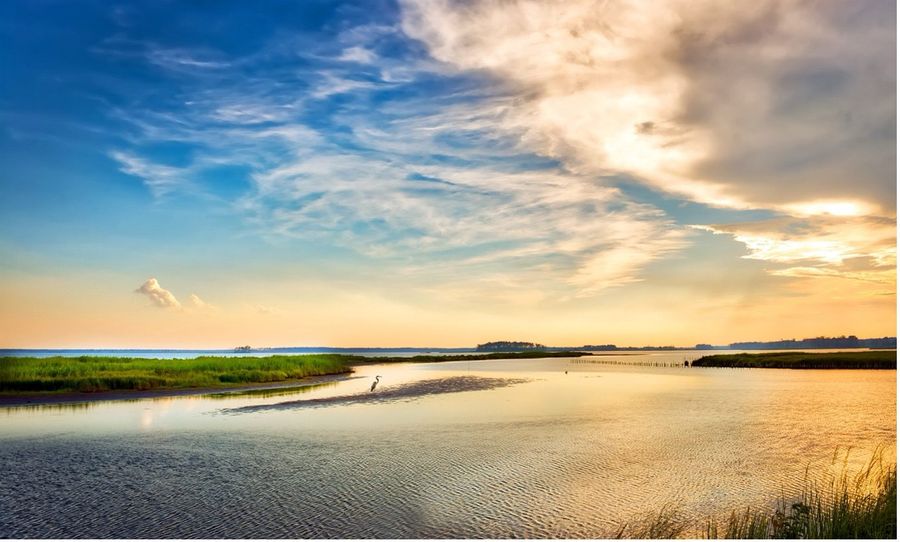
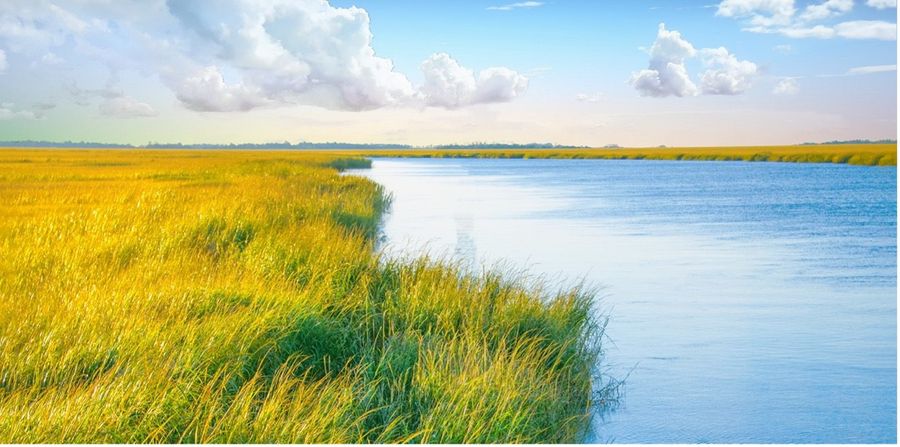
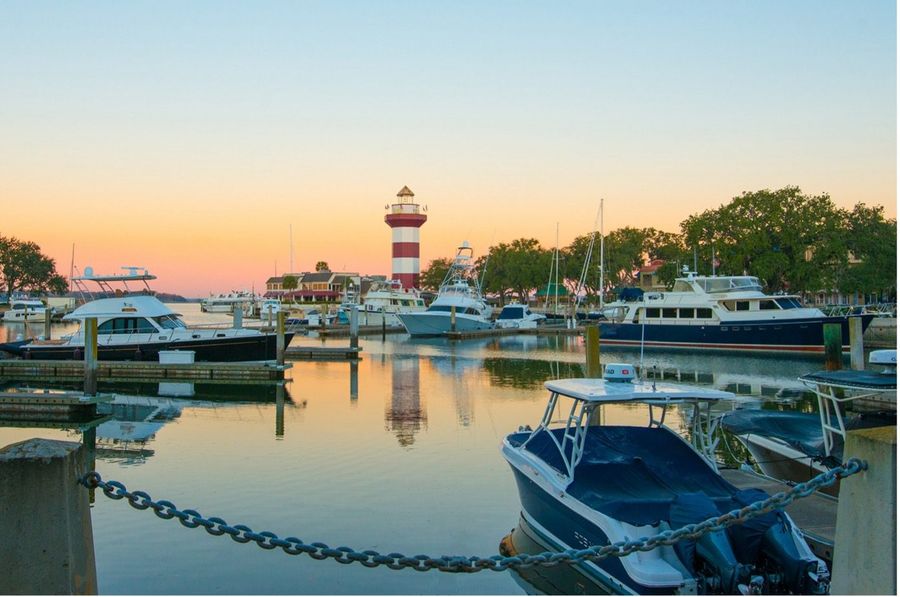
Hilton Head Island is a sound place to begin. The Lowcountry has invested seriously in its marina infrastructure, and Shelter Cove in particular offers deep-water berths alongside capable dockside services. The opening miles are appropriately gentle: Broad Creek and Calibogue Sound open ahead as the harbour recedes, and these sheltered waters regularly bring dolphins to the surface at first light, their fins breaking a stillness left over from the night. The marsh grass along the banks catches the low morning sun in amber and gold, and the pace feels right from the outset.
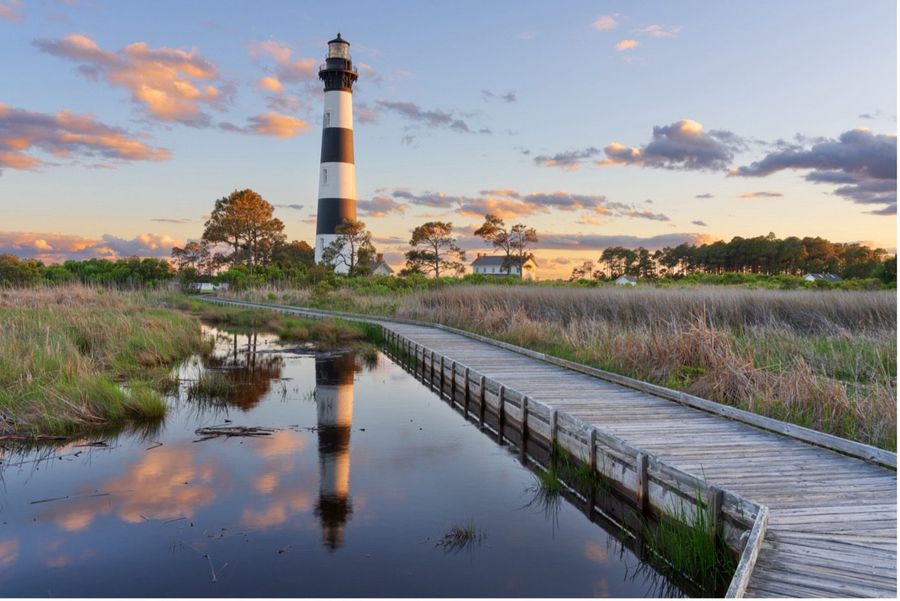
A short diversion south to Tybee Island, near Savannah, earns every extra mile. The Tybee Island Light Station rises in striking black and white above the dunes, one of the oldest and tallest lighthouses in the United States, and the backwater anchorages nearby carry an atmosphere of genuine working coastal life rather than the polished resort experience found along much of this coastline. The beaches are ungroomed and wide, with an honesty that more developed shorelines have long since surrendered.
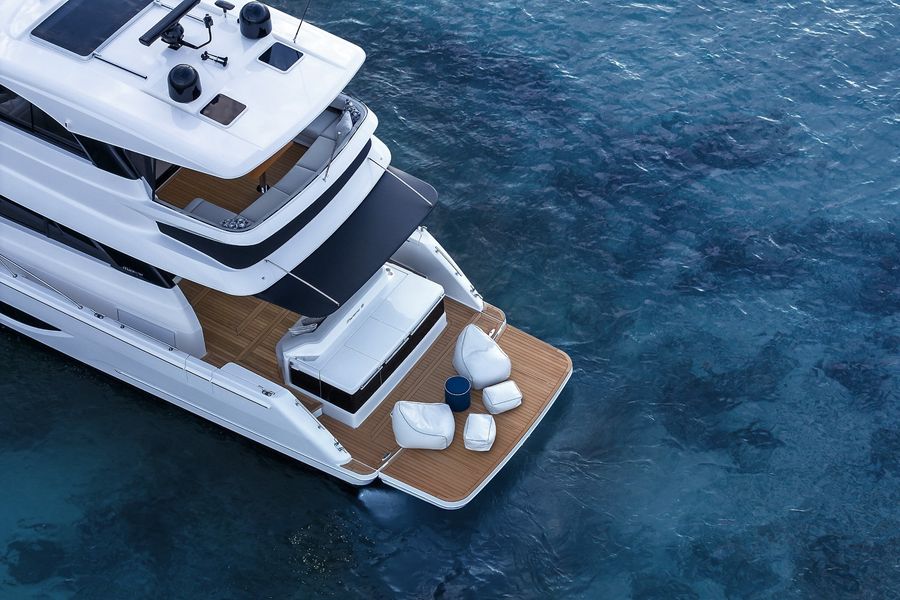
For anyone drawn to wild and undeveloped country, the ACE Basin north of Hilton Head is the undisputed centrepiece of the voyage. This 350,000-acre estuary, fed by the Ashepoo, Combahee, and Edisto Rivers, has remained largely free of development. There are no resort marinas, and that absence is precisely the point. Lying at anchor in that silence, with bald eagles settled into bare timber above the treeline and roseate spoonbills showing vivid pink against the marsh vegetation, it becomes easy to understand why sailors speak of this waterway with something close to reverence. After dark, the complete absence of light pollution produces a sky that feels almost uncomfortably vast.
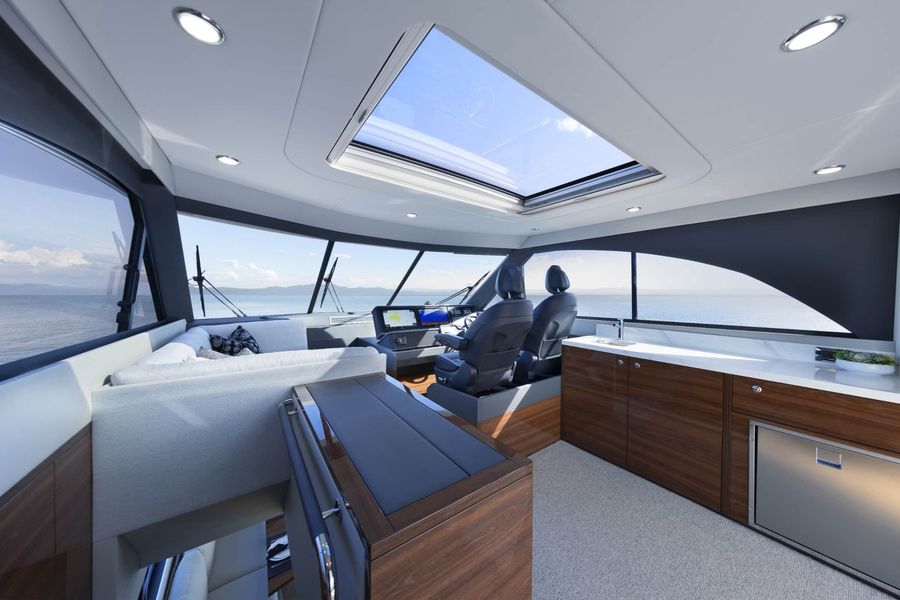
Rejoining the Intracoastal Waterway and continuing to Beaufort brings the journey back into human contact without surrendering its character. Antebellum homes face the water along the historic waterfront, working shrimp boats set the tempo of the day, and a dinner of locally caught oysters tastes as though it genuinely belongs to the place rather than having been arranged for passing visitors.
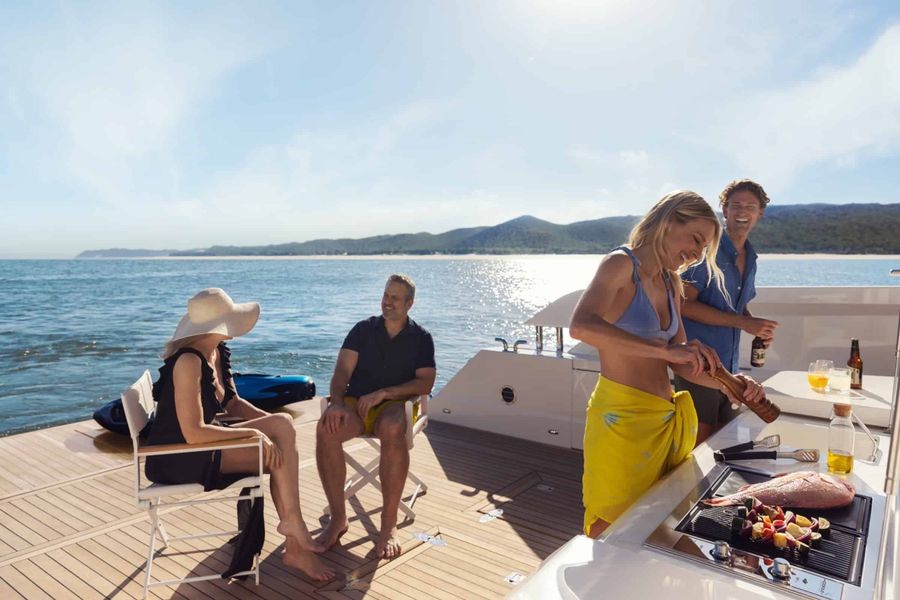
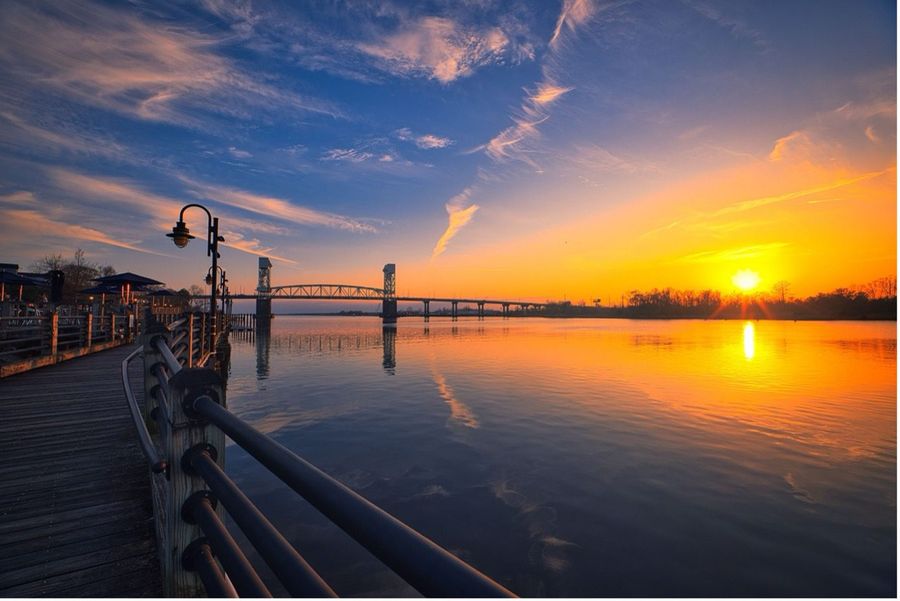
Pressing further north into North Carolina, the landscape shifts with some insistence. The beaches stretch wider, the dunes climb higher against the sky, and the coastline takes on a more exposed and energetic personality, as though the Atlantic is properly announcing itself for the first time.
What makes this passage work is a refusal to hurry. The distances between stops are measured and sensible, each anchorage offers something distinct, and the progression from enclosed Lowcountry marsh to open beach prevents the journey from settling into routine. For a skipper comfortable with a chart and content to cruise at eight knots, the stretch of American seaboard between South Carolina and Chesapeake Bay delivers precisely what its reputation promises.