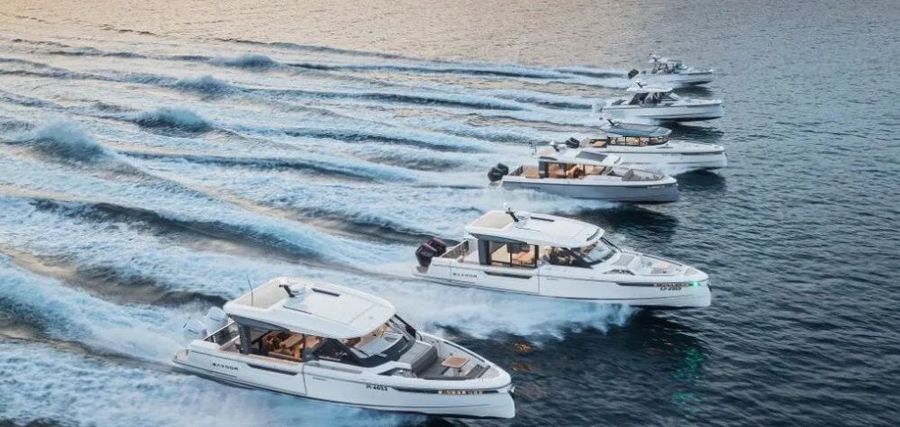
New Zealand holds a distinction shared by no other country: more boats per person than anywhere else on earth. With roughly 1.6 million recreational vessels on the water and close to half the population heading out each year, Aotearoa is, by any measure, the boating capital of the world. Yet for all that enthusiasm, the country has no unified system to link those vessels to their owners. The result, according to industry figures, is a $100 million annual shortfall in maritime safety, security, and efficiency, driven by theft losses, emergency response delays, and insurance complications.
The problem is rooted in fragmentation. Commercial vessels operate within a structured registration framework, but recreational craft, the boats that define Kiwi life on the water, exist largely outside any central record. Ownership details are scattered across local councils, clubs, and sector bodies, and the majority of small craft leave no traceable footprint at all.
The consequences play out in predictable ways. More than 1,200 boats currently appear on the NZ Police stolen vessels database, yet only around 14 per cent are ever recovered, according to recent industry data from Boating New Zealand. Northland alone accounts for 20.63 per cent of national boat thefts, a disproportionate share that reflects how exposed unregistered vessels can be. Stolen boats have been valued anywhere between $17,000 and $200,000, meaning these are not trivial losses.
Real incidents illustrate the stakes. In Russell, residents dealt with repeated tender thefts around the waterfront earlier this year. In Fiordland, an unattended kayak found adrift on Lake Te Anau set off a full search and rescue operation because emergency responders had no way to identify who the vessel belonged to. That single kayak, drifting without any identifying information, consumed the time and resources of an entire search operation. Maritime NZ records an average of 18 deaths per year on New Zealand's waters, and government research from the Ministry of Transport puts the total social cost of maritime accidents, covering injuries, emergency response, and property loss, at over $100 million annually. Poor identification of vessels and their owners sits at the heart of many of these inefficiencies.
The solution that has emerged from within the industry is NZ Boat Register, a free nationwide platform launched in 2024 and purpose-built for recreational watercraft. It is the first of its kind in New Zealand, designed to give boat owners a straightforward way to create a secure digital record of their vessel without adding bureaucratic burden.
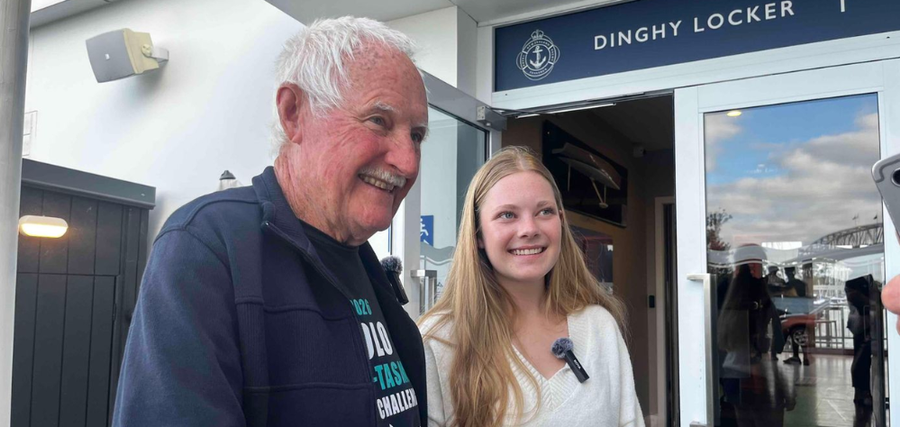
"We're not creating red tape, we're cutting through it," says Sam Allen, Co-Founder and Managing Director of NZ Boat Register. "Every Kiwi boatie should have an easy way to identify and document their craft. That's how we help reduce loss, support recovery efforts, and make insurance work better for everyone."
Through the platform, owners can upload photos, record hull identification and serial numbers, log safety equipment details, and nominate emergency contacts. The system is voluntary and community-driven, built to serve boaties directly while also giving insurers, marinas, and emergency services a reliable point of reference when they need it.
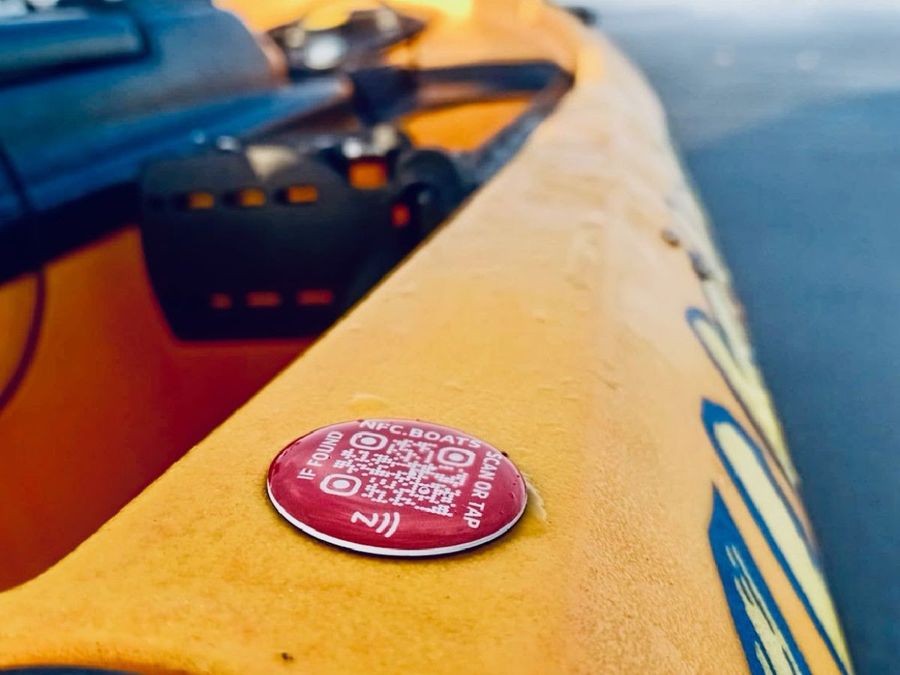
Alongside the digital register, NZ Boat Register integrates with AquaTAG Boat ID Tags, a product line developed to serve as physical identification for watercraft. The tags are waterproof and NFC-enabled, functioning much as a digital nametag might, and are available in Stick-On, Tie-On, and Bolt-On versions starting from $20. Each tag links back to a private online profile. When a lost boat or piece of gear is found, anyone with a smartphone can scan the tag to identify the vessel and reach the registered owner through the platform, all without exposing the owner's personal information directly.
NZ Boat Register identifies the person who has registered as the owner but does not confirm legal ownership of a watercraft. The platform provides identification and record-keeping tools that may assist with recovery and insurance processes, and it operates independently, with no affiliation, endorsement, or partnership with NZ Police, Maritime NZ, Coastguard NZ, or any government agency.
AquaTAG products are already available through marine retailers nationwide, and the platform has been building steadily since its 2024 launch as more boat owners recognise the practical value of having an accessible, documented record of their vessel. NZ Boat Register operates as a profit-for-good venture, with a portion of all revenue reinvested into New Zealand's boating communities. The company is also developing AquaGPS location tracking as part of its broader suite of tools for boat owners, emergency services, and the wider marine industry.
With the peak boating season approaching and 1.6 million vessels heading back out onto New Zealand's lakes, rivers, and coastal waters, the absence of a reliable national identification system has rarely felt more pressing. NZ Boat Register was built to close that gap, connecting boats to their owners one registration at a time.