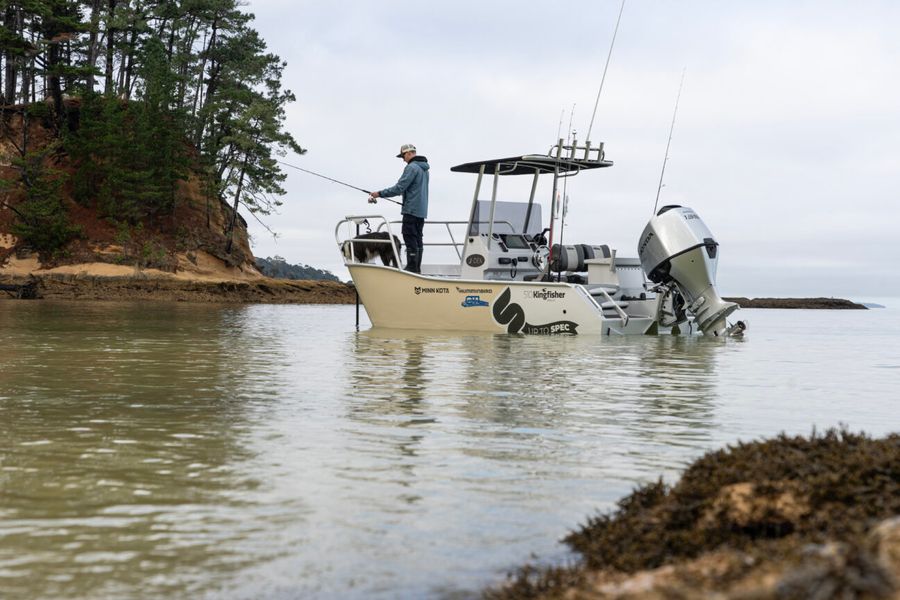
The Kingfisher Boats crew from Mount Maunganui had one destination in mind: Great Barrier Island, roughly 180km return across the Hauraki Gulf. The target species were kingfish and snapper, and the vessel doing the work was a Kingfisher 510 Powercat.
A run of that length changes the character of a day on the water. There is no margin for things going wrong, and every element of the plan, weather, current, boat, and tactics, needs to hold up from the moment you leave the ramp.
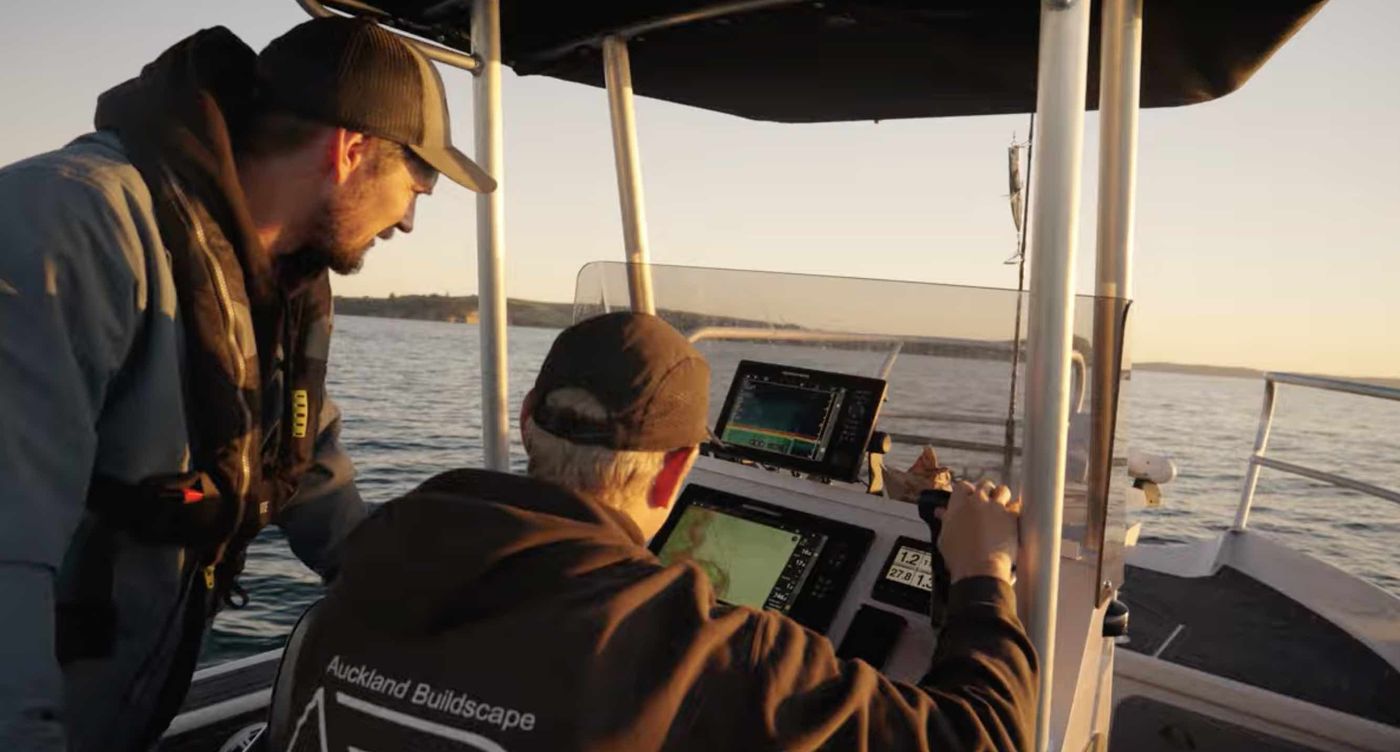
Sam, Brock, and Braden kept their approach straightforward but left room to adapt. Live bait was collected on the way out, with one bait held back specifically for kingfish. Snapper were the primary focus, with soft baits used to cover ground until fish showed up.
The rig was well matched to the job. A Kingfisher 510 Powercat running a Honda BF135, a Minn Kota Instinct Quest mounted up front, and Humminbird Apex and Xplore electronics for navigation and fish finding. No unnecessary complications, just a capable offshore fishing platform.
Once the team settled into position near the island, the snapper showed up without much delay. The first was a decent-sized eater, quickly followed by another. Shortly after, two fish came over the rail from the bow at the same time. Some were slipped back, others were kept for the table, with each call made quickly based on size and what was actually needed.
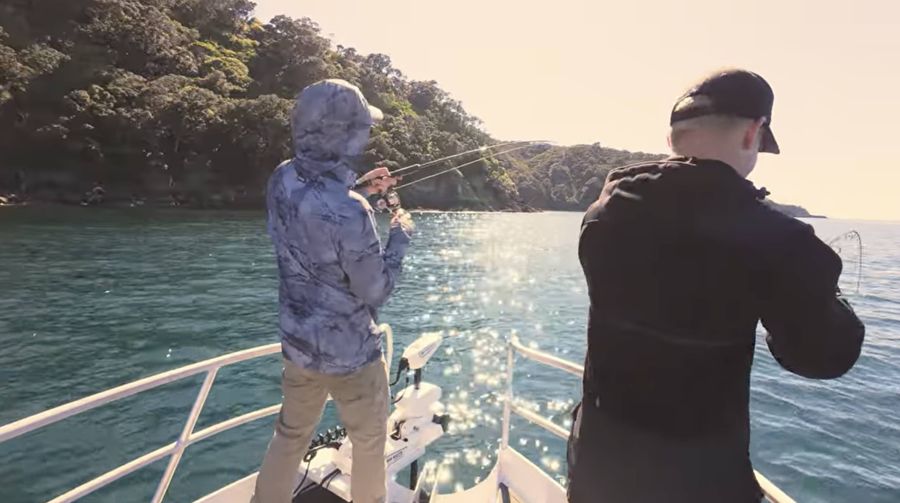
That kind of start takes the pressure off. Knowing you are sitting over fish lets the urgency fade, so the team could fish properly rather than frantically searching.
Then the kingfish arrived, and offered nothing but frustration. Large schools moved through the area, showing on the sounder and breaking the surface. The drone captured them clearly. Every sign pointed to fish that should eat. They simply would not.
Lures were worked through the schools repeatedly. Fish rose towards them, then dropped away. Time slipped by in that maddening way it does when kingfish are present but uncooperative. Anyone who has spent time chasing these fish will recognise the pattern. Some sessions they are aggressive and willing; others, nothing will turn them.
https://youtu.be/5ka0UqcP8OE?si=w-pyseQfB36H4_AW
Rather than anchoring the rest of the day to a spot that was not producing, the team made the call to move and look at things from a different angle.
The shift into shallower water changed everything almost immediately. Soft baits worked along structure began pulling quality snapper with regularity. These fish hit with purpose and drove straight for the weed and kelp below. Drags were kept light, pressure was applied carefully, and each fish had to be coaxed clear rather than muscled in.
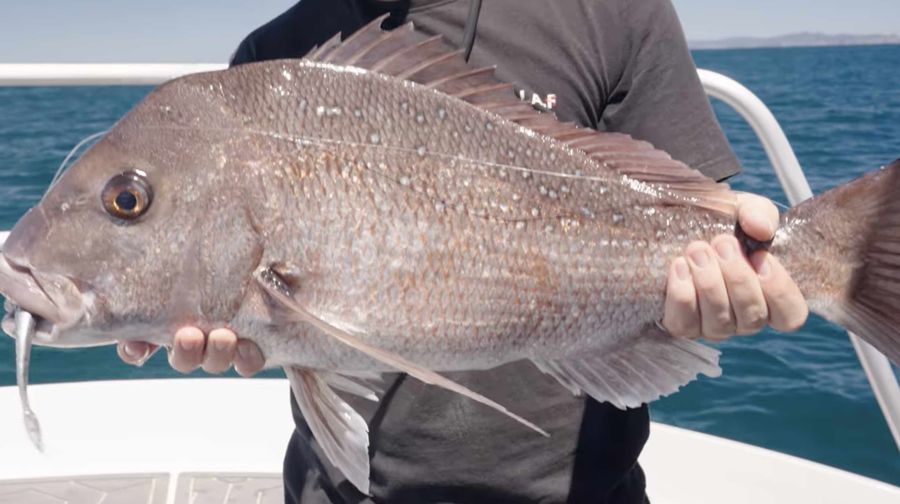
One fish in particular made things awkward for a moment, burying itself before eventually coming free. Nothing enormous, but it fought hard and made the angler work for every metre. Several more good snapper followed, falling to the same approach along the same structure.
A number were carefully released after a quick photo and a moment to recover alongside the boat. By that point, the session had already delivered more than enough to justify the long run out. Whatever the kingfish chose to do from there was beside the point.
The team swung back to the earlier ground for one more look at the kingfish before heading home. The current was running hard through the area and bait was stacked everywhere. The place had all the signs of somewhere fish should be feeding. The kingfish remained completely uninterested.
There was no frustration, no extended attempt to force something that was not going to happen. The decision was made to wrap the day up and point the bow for home.
Great Barrier Island can tick every box and still not deliver on what you came for. The team arrived with a clear plan, found the kingfish they were looking for, and watched them refuse every offering. Switching focus and finishing with a strong snapper session in the shallows made the difference between a disappointing trip and a good one.
The Kingfisher 510 Powercat sat quietly at the centre of all of this, doing its job without drawing attention to itself. It handled the long crossing without complaint, held steady for casting off the bow, and worked comfortably in tight around reef structure and weed. That kind of reliability matters on a trip that covers serious water.
[gallery td_select_gallery_slide="slide" ids="163577,163578,163579"]
Kingfisher builds its aluminium Powercats in Tauranga, and the design has been refined over many years to suit New Zealand conditions. The trip captures the use case well: a trailerable cat that can make a serious offshore run and then fish hard and effectively once it gets there.
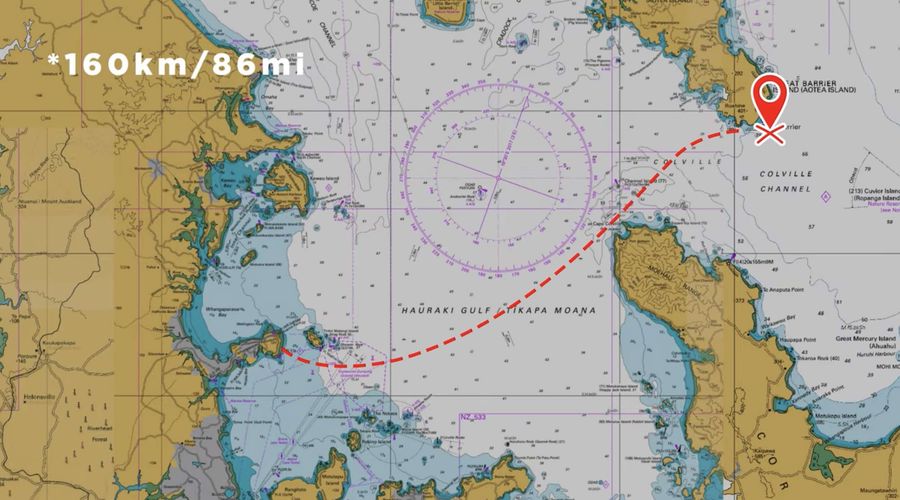
Great Barrier Island is never a casual undertaking. The distance, the current, and the shifting nature of conditions all shape what a day out there looks like. The plan was kingfish and quality snapper. The kingfish showed in numbers but refused to cooperate. The snapper, particularly in the shallower ground, carried the session and turned a potentially frustrating day into one worth the run. Going out prepared, staying flexible, and taking what the day decides to offer is what fishing at Great Barrier often comes down to.