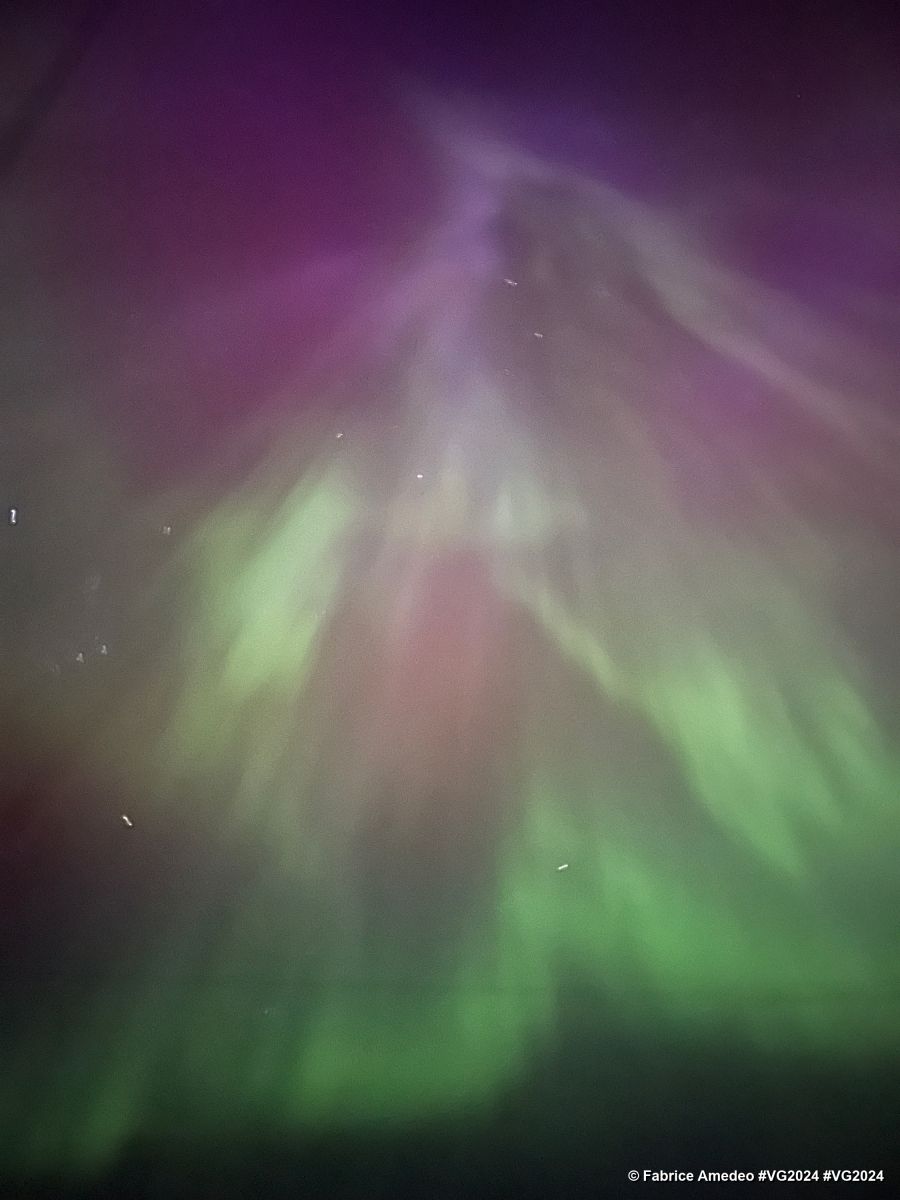
A powerful geomagnetic storm swept across the planet overnight, offering New Zealanders an uncommon opportunity to witness the aurora australis, and serving as a vivid reminder that solar activity has consequences stretching well beyond our atmosphere.
The US National Oceanic and Atmospheric Administration (NOAA) has classified the event as G4, rating it severe on its five-point scale. Such storms occur when coronal mass ejections (CMEs), enormous bursts of charged plasma expelled from the Sun, slam into Earth's magnetic field and generate surges of electrical current capable of disrupting satellites, communications systems, and power networks. This particular outburst ranks among the most significant in recent years, occurring near the peak of the Sun's 11-year activity cycle. The effects are anything but abstract, with engineers and infrastructure operators already mobilising responses on the ground.
Southern skies are alive with colour (except the clouds stop us seeing them!)
Astronomers cited by The Guardian and ABC News anticipated that the light show would be visible as far north as Sydney and Perth, with Tasmania and New Zealand positioned for particularly vivid views. Dr Sara Webb from Swinburne University described Wednesday night as "the best chance for people to catch a glimpse of the aurora", advising people to find a dark location with a clear view to the south and to use long-exposure photography to bring out the full range of colour. For Auckland and the upper North Island, cloud and rain were shaping up as the main obstacle, though conditions were expected to clear through the night, potentially leaving early risers with a window to spot the southern glow before dawn.
Protecting New Zealand's grid
Transpower, the operator of New Zealand's national electricity grid, declared a grid emergency in response to the storm, temporarily removing several South Island transmission lines from service to protect them from geomagnetically induced currents. Electricity supply remained unaffected, but the precautionary measure was taken to shield transformers from potentially costly damage. "This is an important step to prevent damage to critical equipment should the storm get worse," Transpower said. "If we didn't manage the risk, repairs could be expensive and time-consuming."
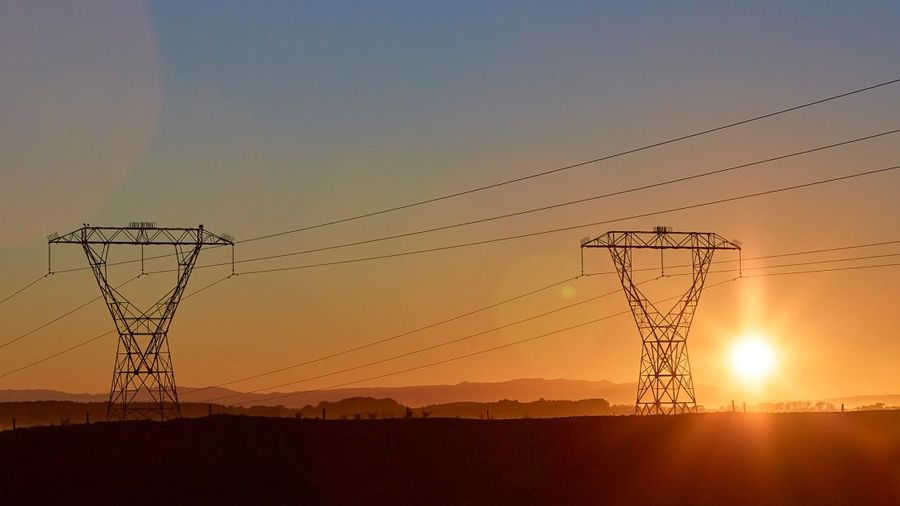
Not the kind of threat most people associate with severe weather, yet the risk that space events pose to the grid is every bit as real as a major storm on land.
Satellites, Starlink, and GPS at risk
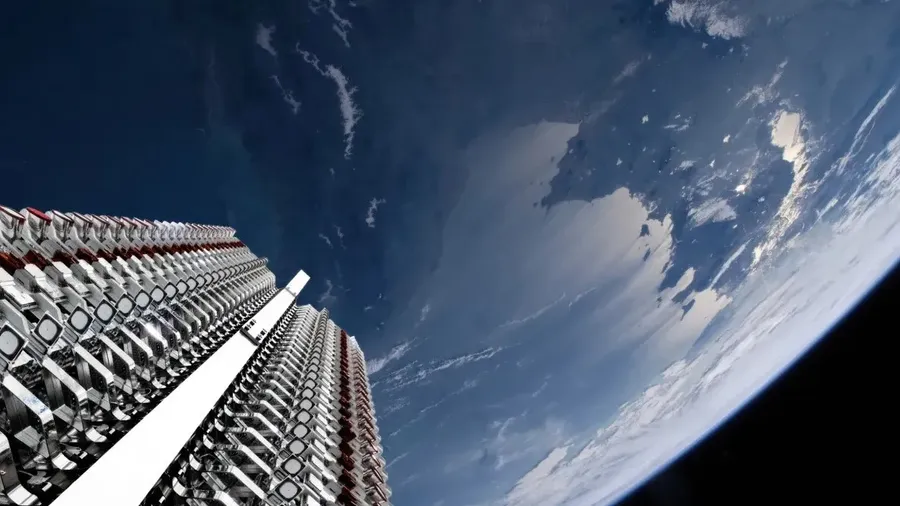
For boaties and anyone depending on Starlink for connectivity at sea or in remote locations, the same solar energy painting the sky overnight carries practical consequences overhead. During a G4 storm, the upper atmosphere heats significantly and expands, increasing the drag experienced by satellites in low Earth orbit. Starlink has dealt with this before. Previous storms have required the network to adjust orbital paths and have briefly degraded connection speeds. A smaller event in 2022 was severe enough to pull an entire batch of newly launched satellites out of orbit entirely.
Widespread outages are not anticipated from this event, but users may notice intermittent slowdowns or brief signal drop-outs. The turbulence in the ionosphere can also shift GPS accuracy by several metres, which is worth keeping in mind when plotting a course or anchoring in low-visibility conditions after dark.
Mobile phone and radio networks feel the ripple
Geomagnetic activity also affects high-frequency radio communications and long-range signals more broadly. At sea, this can translate to weakened HF signals or unreliable reception across marine radio bands. Aviation and shipping operators sometimes switch to alternative channels when ionospheric conditions deteriorate. Mobile sites that rely on satellite backhaul may also experience brief interruptions. These disruptions tend to be short-lived, but they are a useful reminder of how deeply our everyday technology remains tied to forces originating far beyond Earth.
Nature still calls the shots
While engineers work to protect the grid and satellites make automatic adjustments to their orbits, Kiwis with clear skies can still look south and take in something genuinely extraordinary. The aurora australis is not merely a spectacle. It is direct evidence of the immense power at the heart of our solar system. Tonight, the beauty of that light comes with a pointed message: no matter how sophisticated our infrastructure becomes, the Sun still sets the terms.