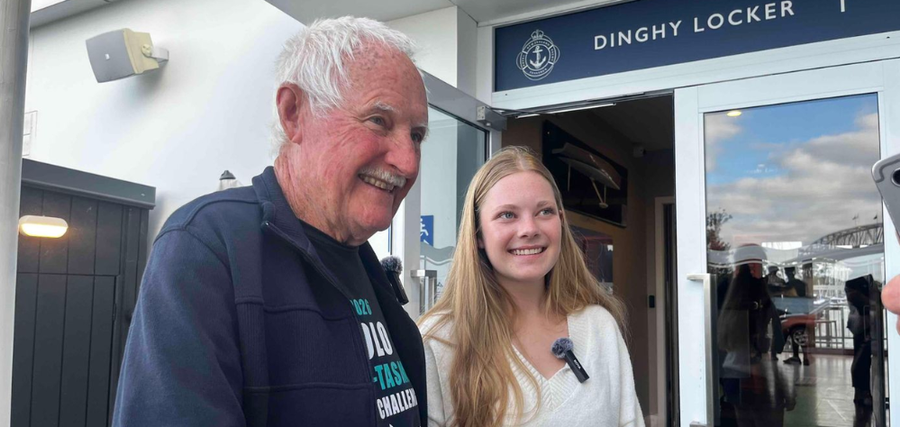
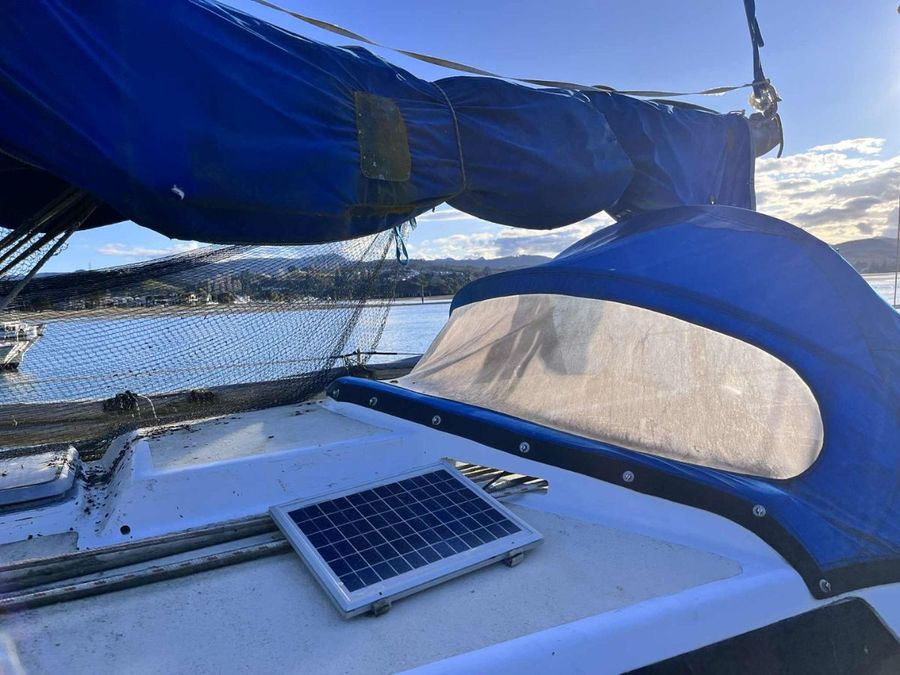
Living aboard a 50-foot Jeanneau with three teenagers and a dog named Harry means life is rarely tidy. The boat is home, transport, and sanctuary rolled into one, and every surface pays the price.
The good days are genuinely good. Fishing off the transom for dinner, swimming off the bow when the weather allows, watching harbour lights shift as the tide moves beneath us. Nights at anchor with rain hammering the dodger feel cosy rather than bleak. The boat holds up her end of the bargain, keeping us dry and comfortable. But she takes a hammering doing it.
This past winter a storm shredded our bimini. That alone was enough work, but birds Harry couldn't chase off added to the damage, leaving acidic white splatters across the canvas. Rushing the clean-up after a good fishing session meant fish oils crept into the cushions. Days of rain and humidity brought mildew blooming along the seams, and the dodger windows that were once crystal clear turned cloudy with salt.
These aren't minor inconveniences. Bird droppings attack stitching, fish oils rot fabric, mildew strips waterproofing, and persistent smells make the cockpit and cabin genuinely unpleasant. Leave any of it long enough and the problem stops being cosmetic. Health risks creep in, and replacement costs grow quickly.
Whether you live aboard full time or take your boat out on weekends, or even just occasionally, much of this will ring true. With spring closing in, it's exactly the right moment to take stock.

The good news is that consistent care, paired with the right gear, keeps the mess from winning. Canvas, clears, upholstery, water toys, hardware, and storage each have their own demands. Get across them, and life afloat stays genuinely fresh.
Canvas (biminis, dodgers, sail and boat covers)
Canvas is the boat's first line of defence against New Zealand's famously unpredictable weather. It absorbs the sun, the rain, the salt, and whatever the birds leave behind. When it's clean and taut, you barely notice it. When it's dirty or smelly, it's all you can think about.
A warm, dry day is the ideal time to work on canvas, though you can't always wait for perfect conditions. If you're cleaning in humidity or drizzle, take extra care to eliminate every trace of moisture before packing anything away.
Start by rinsing with fresh water after every outing. Salt builds up in seams and will work away at the stitching if left, so flush it out thoroughly with a hose or bucket, then wipe down with a microfibre cloth to lift any grit before it has a chance to set. For a proper wash, a few drops of dishwashing liquid in warm water is all you need. Apply with a soft brush, test an inconspicuous patch first, and rinse the fabric fully before the soap dries on.
Bird droppings need to come off quickly. Left to bake in sun, they become increasingly difficult to remove and begin eating into stitching. Spray the affected area and lift with a damp cloth as soon as you can. For fish odour that survives a soapy wash, work along the seams with a dedicated odour treatment. Oil and food stains should be blotted rather than scrubbed, since rubbing pushes grease deeper into the fibres.
Once everything is clean, allow the canvas to dry fully in open air before it goes anywhere near a storage bag. Damp folds are where mildew starts. After drying, a spray-on waterproofer applied evenly and wiped over with a clean cloth will help water bead on the surface rather than soaking straight through.
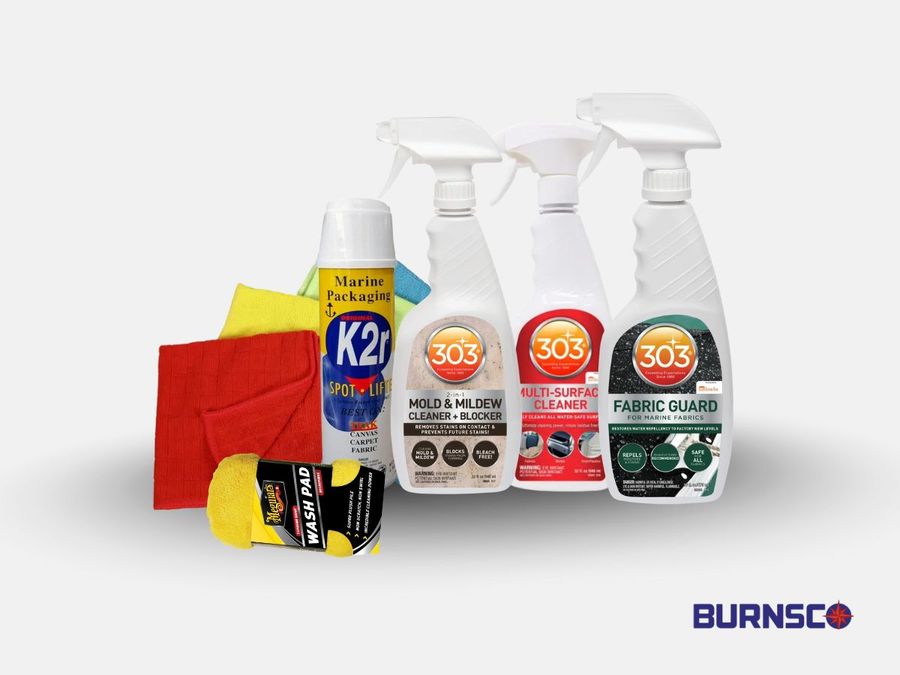
A clean, waterproofed bimini does more than look after itself. It keeps the cockpit comfortable and free of the lingering smell of last night's catch. With regular rinsing and the occasional treatment, canvas will last considerably longer than neglected material.
Clears (PVC vinyl windows, strataglass, polycarbonate)
Once the canvas is in order, the clears come into focus. They are literally your windows on the world, and there is a marked difference between looking out through bright, supple vinyl and squinting through yellowed, scratched sheets. Salt, sunscreen, and mildew all work against them steadily, but gentle and consistent care keeps them performing well.
Rinse generously with fresh water, letting it run freely over the surface, then wipe lightly with a soft cloth. Never scrub dry salt crystals from clears because the effect is much the same as using sandpaper. A mild soap wash with a few drops of dish soap in warm water, applied with a soft cloth, is sufficient for regular cleaning. Avoid paper towels or abrasive pads entirely. Pat dry with a clean cloth rather than leaving water spots to bake in the sun, since those marks are stubborn once they set.
If mildew or fish smells have found their way into the seams, a rinse followed by a targeted spray treatment, wiped carefully into corners, will deal with it. Polish the clears monthly with a vinyl-safe product, applied with a soft cloth and buffed to a shine. This step also lays down UV and salt protection. When storing clears, roll them rather than folding, and place soft cloths between layers to prevent sticking and creasing.
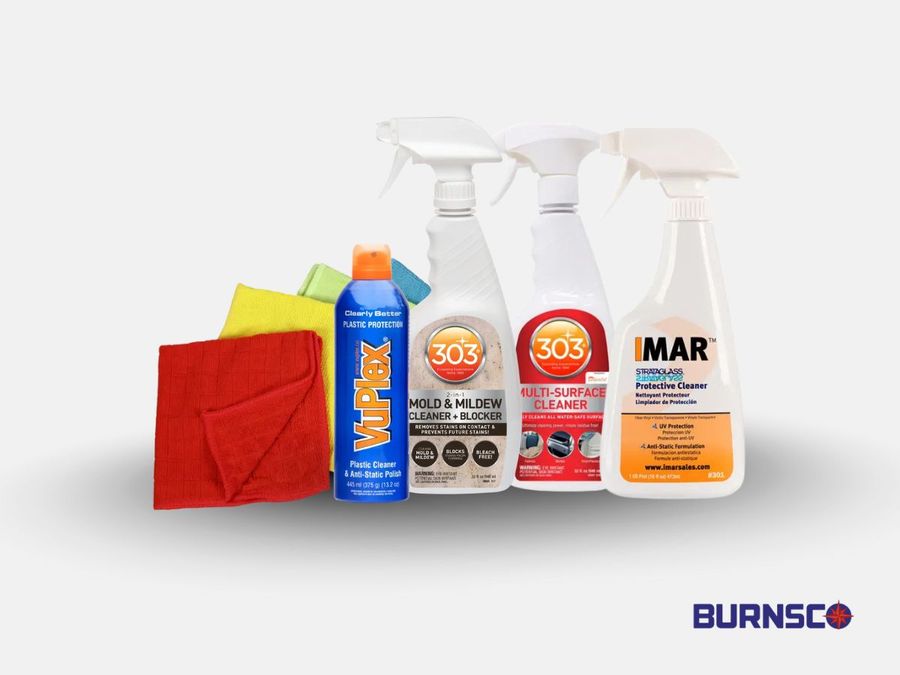
Well-maintained clears change how a cockpit feels. Clean, pliable windows fill the space with light and give you a clear horizon rather than a fogged-up view. The effort required is modest, and the return in comfort and longevity is substantial.
Repairs (ripped canvas, holed dodgers and clears)
Even gear that receives regular care will eventually sustain damage. A storm can open a seam in a dodger, a winch handle carelessly placed can puncture a bimini, and clears are vulnerable to nicks and cracks. Damage doesn't just look bad. It spreads, admitting water, draughts, and mildew. Quick action is almost always cheaper than waiting.
Running a hand along seams and edges periodically will reveal weakened stitching or small tears before they become larger problems. Small canvas rips can be repaired with UV-resistant thread and a backing patch, stitched with double rows. Always clean the area with fresh water before sewing. For a temporary hold while a proper repair is arranged, purpose-made repair tape or product can bridge the gap, though these should be treated as short-term solutions. If stitching is pulling away or fabric has stretched badly, a canvas maker can resew or replace panels before a small issue escalates into a full replacement.
For clears, tiny punctures in vinyl or polycarbonate can be sealed with a specialised repair product or kit. Larger cracks, however, generally mean a replacement panel is needed, and the longer that's delayed the more the damage spreads. After any repair, avoid folding or storing the affected area under tension. Keep it dry and well supported so the fix holds properly.
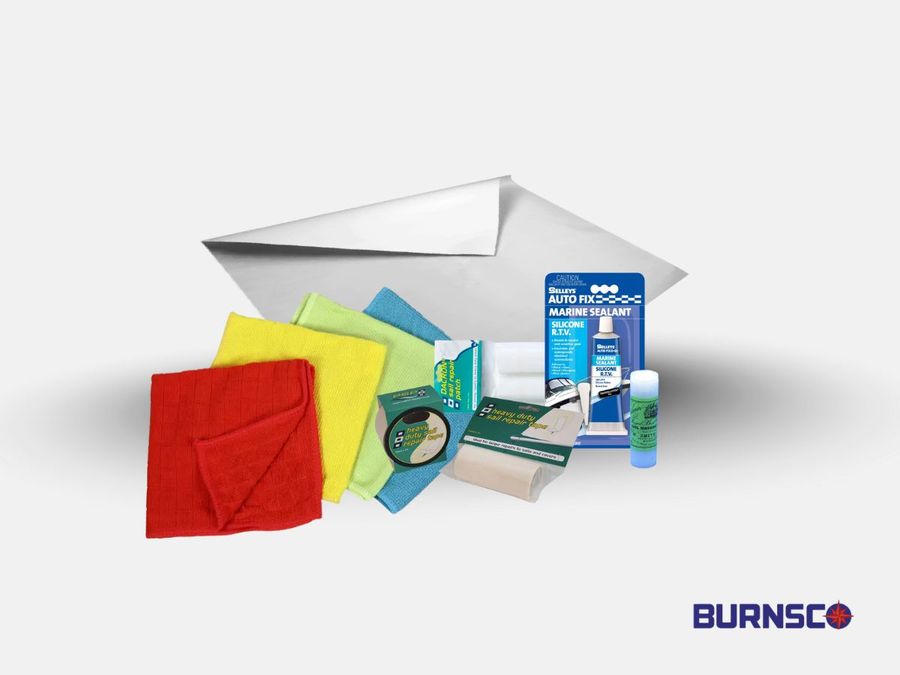
Canvas and clears represent a real investment, and most damage originates as something small. Patching early, whether by hand or through a professional, stops small tears from spreading, keeps water and mildew out, and avoids the significantly greater cost of replacement down the track.
Upholstery (cockpit seats, sunpads, outdoor lounges)
If the clears are the eyes of a boat's cockpit, the upholstery is its welcome mat. It's where you sit for sundowners, where wet togs get dropped, and where sunscreen and spilled drinks soak in whether you like it or not. Seats in good condition make a cockpit feel like a living space. Seats that have been neglected make it a place people drift away from.
Rinsing after every outing, or at the end of each day, is the baseline. Fresh water and a wipe-down with a soft cloth keeps salt and grime from embedding in seams. A monthly wash with warm soapy water and a cloth, followed by a thorough rinse and dry, lifts the dirt that builds up where stitching gathers it. Fish smells should be dealt with promptly, using an odour-neutralising product on a cloth for fabric or a cleaning product on vinyl that also leaves behind a protective layer. For stubborn stains, apply a targeted cleaner, wait a few minutes, then blot rather than rub until the mark lifts. Always let cushions air dry naturally. Heat from dryers or heaters can shrink fabric and crack vinyl.
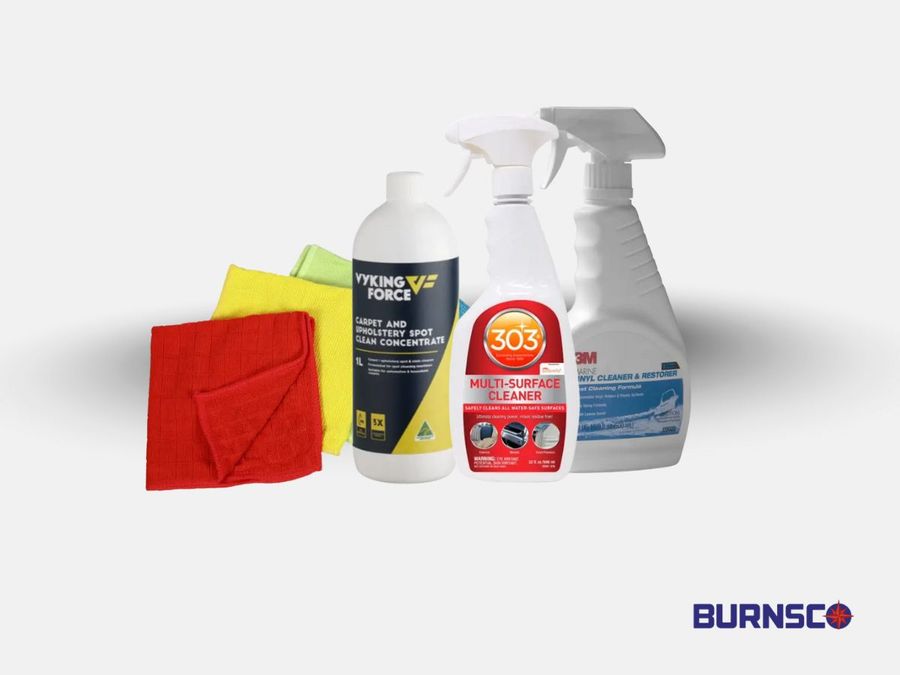
Fresh, supple upholstery transforms the feel of time spent aboard. When the seats are comfortable and smell clean, sundowners are genuinely pleasant rather than something you endure on damp, musty cushions. A few minutes of care regularly is what keeps your cockpit the place everyone actually wants to be.
Water toys (inflatables, floating beds, towables)
The water toys come next. SUPs, towables, floating beds, the full anchorage playground. They're also a reliable trap for salt, sunscreen, and slime, and if they go away damp they will stink, split, or spring leaks by the time you next want them.
Hose everything down immediately after use and wipe with a cloth so salt doesn't have a chance to crust. A cloth dipped in soapy water will shift grime from seams and handles, followed by a rinse and a full dry in the shade. Check seams carefully and make sure no moisture is hiding in folds. Patch any punctures while they're small, because a tiny hole in an inflatable spreads quickly once the toy is under any load. For musty odours, a wipe-down with a vinegar-water mix followed by a fresh water rinse strips the smell without leaving anything behind.

Inflatables and water toys that are rinsed and dried after each use last longer, don't contaminate lockers with damp smells, and are always ready to go. The difference between a season of fun and a pile of burst seams really does come down to that one extra step after everyone climbs back on board.
Hardware (zips, snaps, frames)
Hardware is the part of the equation that gets ignored until it jams. A zip stiff with salt, a snap corroded to the point of tearing fabric. These small failures turn simple tasks into frustrating ones. Folding hardware care into your regular cleaning routine means they quietly keep working rather than becoming a source of irritation.
Wipe zips, snaps, and frames with a cloth dampened with fresh water after every outing to clear salt before it hardens. Lubricate zippers with a light spray, working the slider back and forth and wiping away any excess. A small amount of Vaseline or beeswax rubbed onto each snap and spread evenly keeps them smooth and guards against rust. For stainless or aluminium frames, a wipe-down with fresh water followed by a protective spray polished to a beading finish is all that's needed.
Smooth, functional hardware is one of those small wins that compounds over time. Lubricated zips and protected snaps resist breakage, prevent the kind of hidden corrosion that breeds smells, and make every cover and dodger easier to handle day to day.
Storage and seasonal care
How gear is stored often determines whether all that cleaning effort is preserved or wasted. Packing things away damp, or into unventilated lockers, undoes the work quickly. Before anything goes into storage, check with a cloth that it's genuinely dry. Mesh or breathable covers rather than sealed plastic bags allow air to circulate, and locker surfaces should be wiped down before gear is loaded into them. Odour absorbers or charcoal packs help, but only if they're swapped out regularly. For enclosed spaces that have accumulated persistent smells, a chlorine-dioxide treatment wipes out what regular cleaning can't reach, followed by a cloth wipe-down. Once a season, pull everything out, air it thoroughly, and check for mildew or damage before putting it back.
Dry, ventilated storage and periodic inspection mean no unpleasant surprises when covers and cushions come out again. It's the step that makes everything else worthwhile.
A final word
Living aboard means every surface is working constantly, and the wear accumulates fast. Bird droppings on canvas, fish smells in cushions, mildew in dodger seams — these come with the territory. But they don't have to become permanent fixtures. A steady routine with the right approach keeps canvas performing, clears bright, and the cockpit somewhere worth spending time. The effort is modest. The alternative is considerably more expensive.