New Zealand's lakes and rivers rank among the finest freshwater fishing destinations on earth, and for those who travel them by boat, they offer something beyond mere angling. Trolling a lure across Lake Taupō, drifting through the Rotorua Lakes in the early light, or threading a vessel through the hydro canals of the MacKenzie Country puts anglers in water that shore-bound fishers never reach. The boat is not just transport. It is the experience itself.
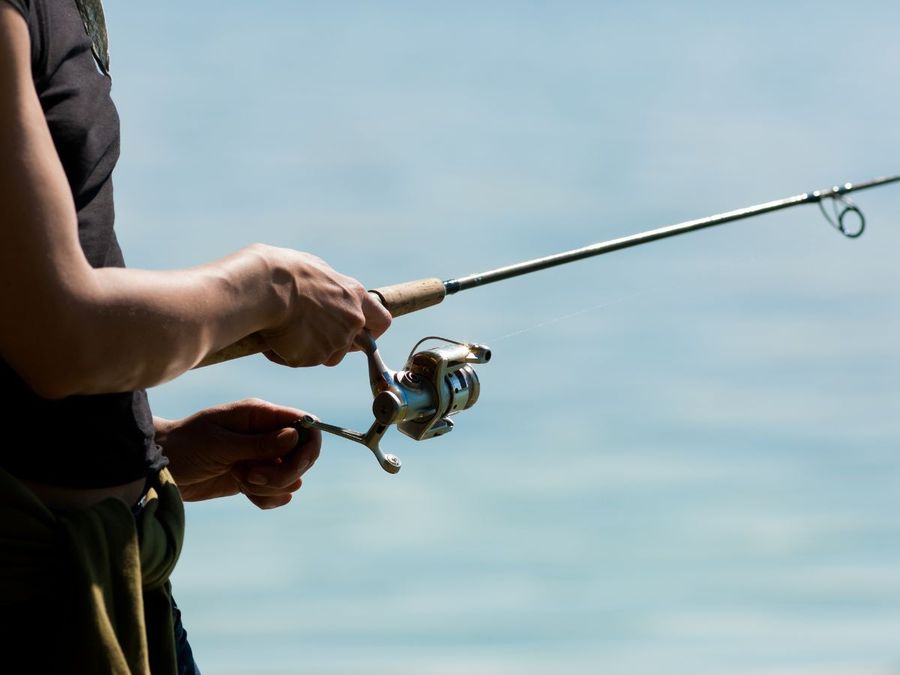
Visiting anglers often speak about New Zealand trout with something close to reverence, whether it is the hard-fighting rainbows of the Tongariro, the trophy browns of the South Island, or the salmon that hold in alpine lakes. Plenty of Kiwis, though, walk straight past the quality on their own doorstep. Licences are reasonably priced, family options exist, and the techniques involved, from trolling to jigging or working soft plastics, sit comfortably alongside a day afloat. Modern sonar and chart plotters have made locating fish easier, but the boating context transforms a fishing trip into something more. Families share relaxed sessions trailing lures off the stern. Friends anchor at sunset and reach for the fly rod. The vessel becomes as much a place of connection as a fishing platform.
Now, after years of quiet advocacy, the rules governing who can actually fish from that boat are changing.
From the coming season, Fish & Game's family fishing licence will at last put both adults on equal footing. Under the previous arrangement, the second adult named on a family licence, very often a woman, could not fish independently and was excluded from Fish & Game elections. Hunting and Fishing Minister James Meager, announcing the change on the banks of the Rakaia Gorge, described it as "a common-sense change" that removes barriers and modernises a dated system. "It's my hope this will make it easier for more women and young families to enjoy angling," he said.
The reform follows University of Otago research that put numbers to something many in the fishing community already sensed: outdated licensing rules had become a quiet but real obstacle to women's participation. Acting Chief Executive of Fish and Game New Zealand, Richie Cosgrove, pointed to a telling gap in the data. Women make up 13 percent of individual licence holders, yet that figure climbs to 30 percent when family licences are counted in. "If women angled at the same rate as men, we could see up to 60,000 more enjoying our rivers and lakes," he said.
For many of those women and their families, access to the best water has always meant getting on a boat.
Rivers like the Tongariro and the Waikato can be fished from the bank, but a boat or raft opens up stretches that are otherwise unreachable, remote runs where the fish hold undisturbed and the crowds thin out entirely. Lake Taupō is shared by trolling boats, charter launches, and family craft all working for the rainbows that have made it famous. On the South Island, the Clutha and Waiau reward those willing to work the oars, while the Waitaki suits multi-day drift boat trips into high-country water that no shore angler will ever see. Generations of New Zealanders have loaded tinnies, flat-bottomed boats, and drift craft to reach fishing grounds that require a skipper as much as a rod. For women and families in particular, that approach trades hours of bush-bashing for actual time on the water.
Check local rules before heading out. Seasons, catch limits, licence requirements, and permitted methods all vary by Fish & Game region, and each region maintains its own online section with current regulations, updates, and licence agent contacts.
Fish & Game has also confirmed that licence prices will hold steady for the 2025/26 season, the first time in five years that fees have not increased. For families watching costs, the freeze offers some relief. For women anglers, though, the rights change carries more weight than any price adjustment.
Fish & Game patron Dame Lynda Topp put it plainly: "I am delighted the Minister has acted upon changes to the family licence, which will encourage more women to get out on our rivers and give angling a go."
Those words speak to anyone who wades in from the bank and equally to anyone who casts off a bowline and pushes out into the current. Freshwater fishing in this country has always belonged to both. This long-overdue reform simply makes sure that everyone on board, in every sense, has the right to fish.