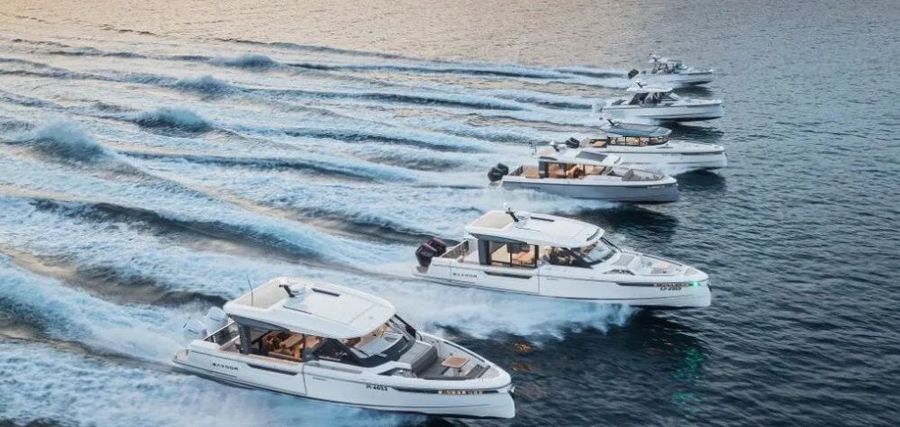
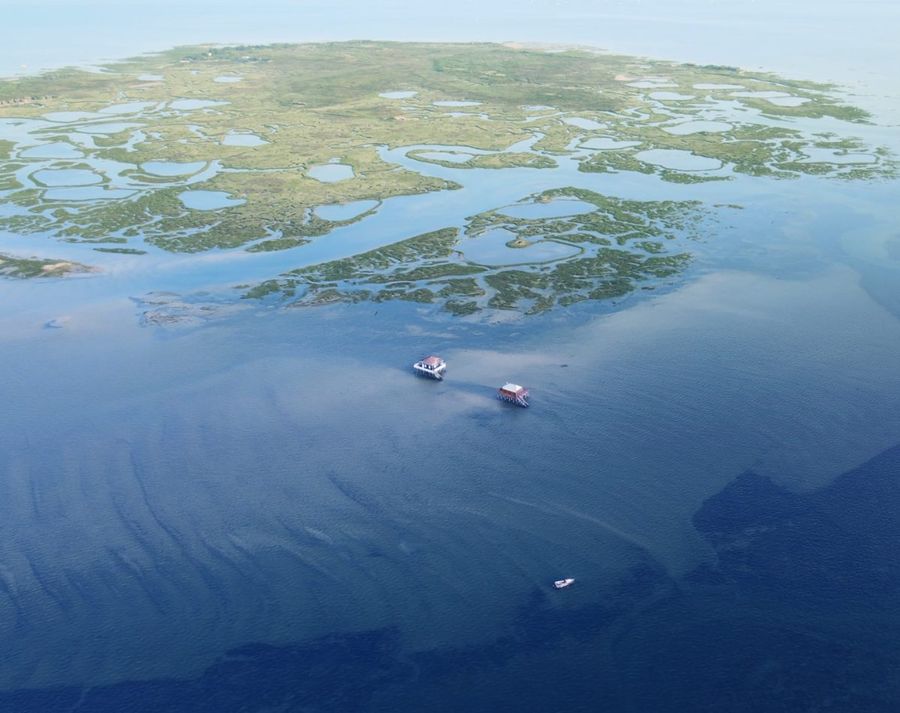
The AFBE Awards for 2025–2026 were presented on 20 March 2026 at Nice Boating Tomorrow, the first trade show dedicated entirely to eco-navigation and electric boating. The occasion carried significance beyond the ceremony itself, marking a shift in what the electric boating sector now chooses to recognise and reward.
For years, electric propulsion commanded almost all the attention. These awards moved the lens toward the practical, everyday challenges that actually define boating life: maintaining position in a sensitive anchorage, manoeuvring precisely into a tight berth, and managing power in ways that translate into genuine savings over time. The Association Français pour Le Bateau Électrique (AFBE, French Association for Electric Boats) jury drew on journalists, designers, and builders alongside a public vote, honouring systems already in the water and already delivering results rather than prototypes waiting on a slipway. Falling battery costs have given the sector fresh confidence, and the awards reflected an industry increasingly willing to describe itself as mature.
BlueNav's virtual anchor system took the top prize, arriving at this latest recognition with a solid track record already behind it. In 2025 the system earned the Decarbonised Mobility Award at the Salon des Maires et des Collectivités Locales, where it formed a central part of the BlueBoat river shuttle demonstrator. That same year, BlueNav won New Propulsion Technology of the Year at the Electric & Hybrid Marine Awards in Amsterdam, for the retractable 8kW outboard motor at the heart of the system.
The concept itself is uncomplicated: electric propulsion holds a vessel on station without requiring an anchor, protecting the seabed and making position-keeping workable in places where dropping anchor would cause damage or prove impractical. The system sits within a hybrid arrangement, with the combustion engine handling transit passages while the electric drive takes over for manoeuvring and station-keeping. That division of labour does add complexity, asking crews to manage multiple power sources and control inputs rather than a single unified system.
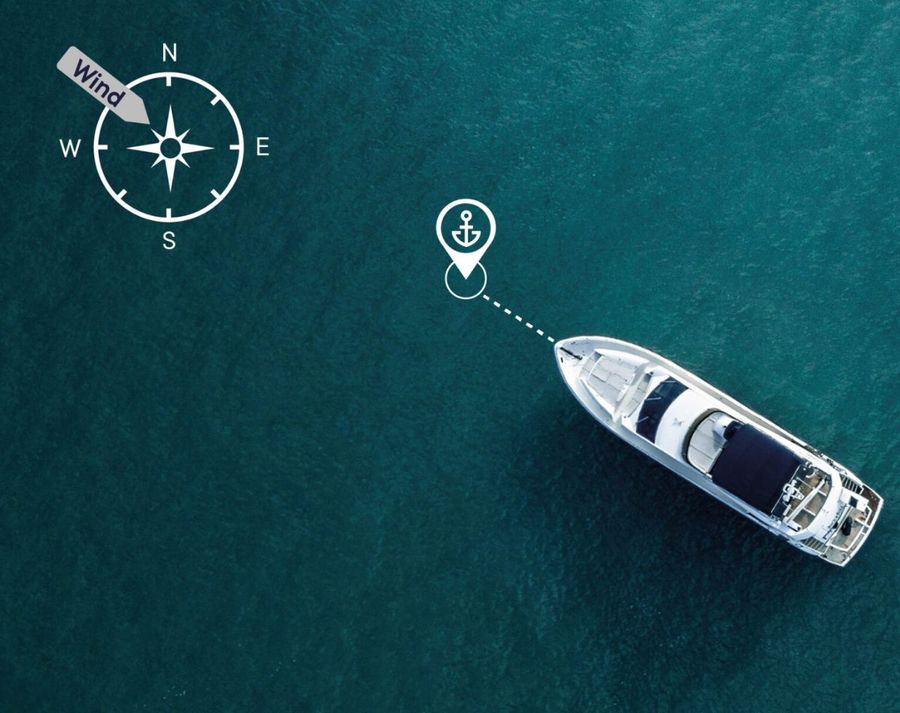
Following the AFBE award, BlueNav released integrated packages combining propulsion, batteries, joystick control, and steering software for vessels between 7 and 22 metres, intended to simplify installation on both new builds and refits. Successful integration still depends on the electrical capacity already aboard, available space for new components, and how added weight distributes across the hull.
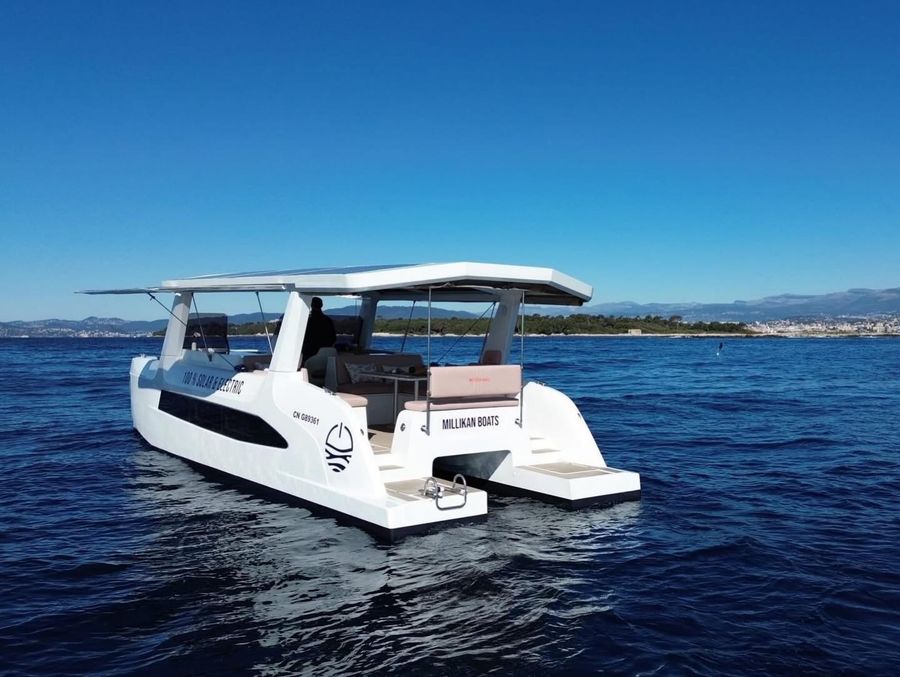
Two vessels rounded out the podium. Second place went to the Millikan M.10 (2026), a French-built electro-solar catamaran with more than a dozen units already in production. Its pairing of electric propulsion with onboard solar generation has moved well beyond the experimental stage into a commercially repeatable proposition.
Third place was claimed by SeaZen's SRE 23, a solar-powered boat designed around quiet, low-speed cruising. Its autonomous energy setup points to a wider pattern taking shape across the sector: renewable power sources are finding a natural fit in recreational boating, particularly where reducing noise and environmental footprint matters most.
Outside the main podium, the jury reserved a special award for Weenav's Kronos 300 electric outboard, acknowledging the ongoing progress in outboard power and versatility. The public vote went to E-Nav Systems for its electric integration aboard a JPK 39 racing yacht currently sailing offshore. That result carries its own quiet statement: electric systems are not limited to sheltered inshore conditions but are performing in genuinely demanding circumstances well out at sea.
AFBE president Michel Nave noted that the technology is maturing and costs are trending downward, steadily narrowing the gap between upfront investment and the long-term savings electric systems can deliver. The 2025–2026 awards reflect how the conversation around electric boating has itself changed. Range anxiety no longer frames every discussion. The focus has shifted to quieter, more immediate questions: docking cleanly, holding position without disturbing the seabed, and reducing the operational footprint of every voyage on the water.