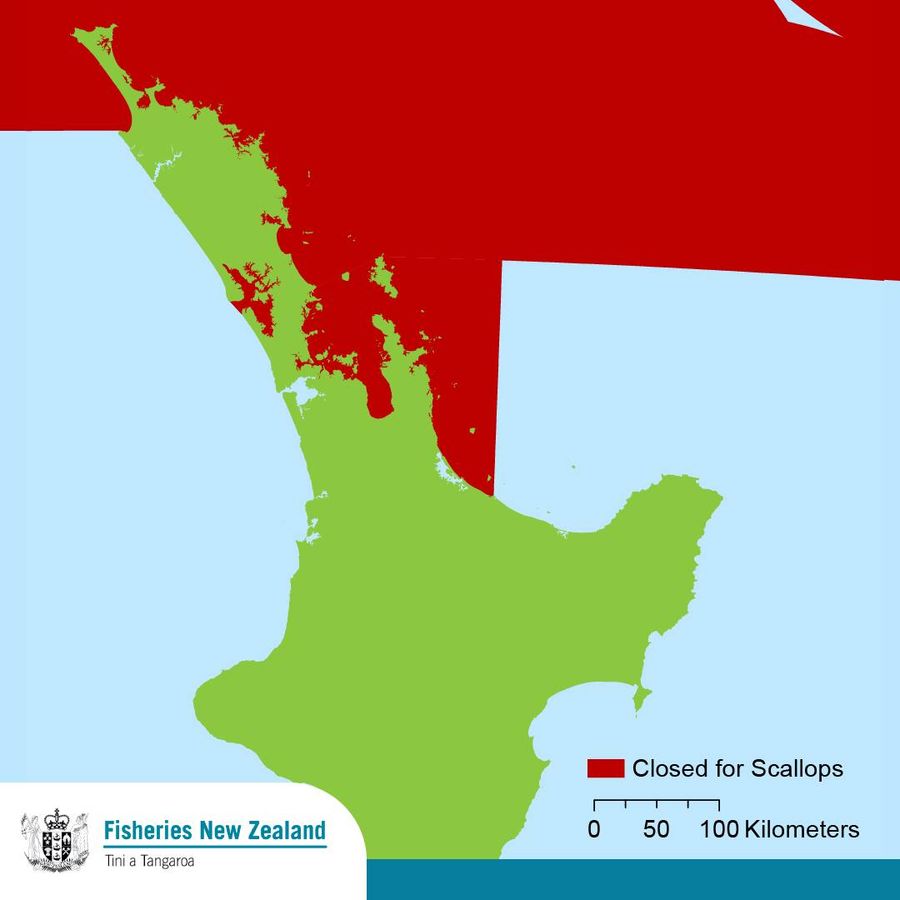
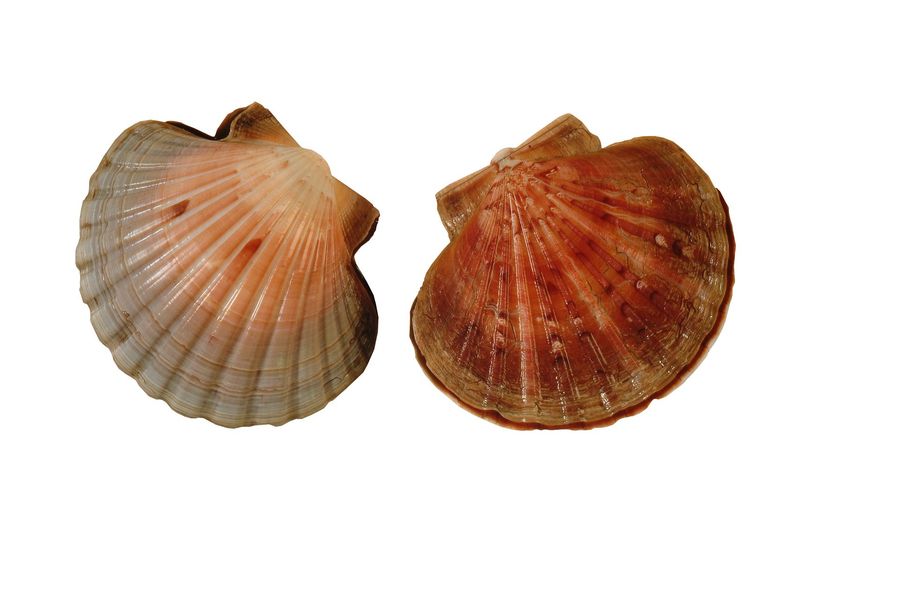
The East Coast scallop fishery will remain closed from 1 September, extending a shutdown that has already run for a considerable period. The Ministry for Primary Industries (MPI) has confirmed the closure covers three areas: Northland's scallop fishery (SCA1), the Coromandel scallop fishery (SCA CS), and Kaipara Harbour. Under section 11 of the Fisheries Act 1996, all recreational and commercial scallop harvesting across these areas is prohibited. Customary gathering carried out under appropriate authorisation is not affected, but anyone else caught taking scallops faces fines of up to $100,000 and the possible forfeiture of their boat or gear.
MPI has been clear about the reasoning. Survey results point to a serious decline in scallop stocks, with dredging pressure and environmental stress both linked to the collapse of beds across Northland and the Coromandel. Without continued protection, the prospect of any meaningful recovery grows increasingly remote.
News of the extended closure spread quickly through social media, drawing hundreds of responses on MPI's Northland Fisheries Facebook page. The reaction was a genuine mix, ranging from pointed frustration to thoughtful support.
Commercial operations drew the sharpest criticism. "Stop commercial dredging the mother beds then it be even better. If it's closed to recreational it should be for commercial as well," wrote one commenter, voicing a grievance common among recreational fishers. Questions of fairness also ran through the discussion. "Is it another one of those one rule for Māori and another for everyone else?" one person asked. Another offered a firm counter: "We are all kaitiaki of this country and have a responsibility to protect taonga species abundance and diversity. Māori have used rāhui for sustainability purposes for 850 years."
Several fishers pressed MPI to explain how it is actually measuring progress in the affected areas. "Can you please explain how you are tracking the beds across the East Scallop fishery to make an informed decision?" one commenter asked. Others speculated about what might come next, with at least one poster calling for rock lobster to face similar restrictions.
The scallop closures form part of a wider set of measures across the Auckland–Kermadec region. MPI has recently closed sections of the Hauraki Gulf to spiny rock lobster (CRA2), banned set netting in sensitive locations including the Bay of Islands and Manukau Harbour, and introduced special management controls at Great Barrier and Great Mercury Islands aimed at limiting the spread of exotic caulerpa seaweed.
Within these controlled zones, anchoring is restricted and any fishing method that makes contact with the seafloor, including dredging, bottom trawling, and flounder netting, is prohibited. MPI is encouraging fishers to download the free NZ Fishing Rules app, check signage at boat ramps, and keep up to date with current rules around closures and size limits.
Opinion in the fishing community remains divided, though some voices have urged a longer view. "Think long-term, people. Think of future generations. Don't think what you'll be missing out on, that's selfish and short-sighted," one commenter wrote. Many recreational fishers feel they are carrying an unfair share of the burden, yet the stakes are plain if the beds fail to recover.
Whether the closures will prove sufficient is uncertain. Comparisons to the toheroa, once abundant and now effectively gone from most of its former range, are not hard to find in these conversations. Others hold out hope that strict protection, combined with tighter controls on commercial activity, could give the scallop population a real chance to rebuild. For this season at least, the position is settled: the fishery stays shut, and MPI is asking the wider fishing community to wait.