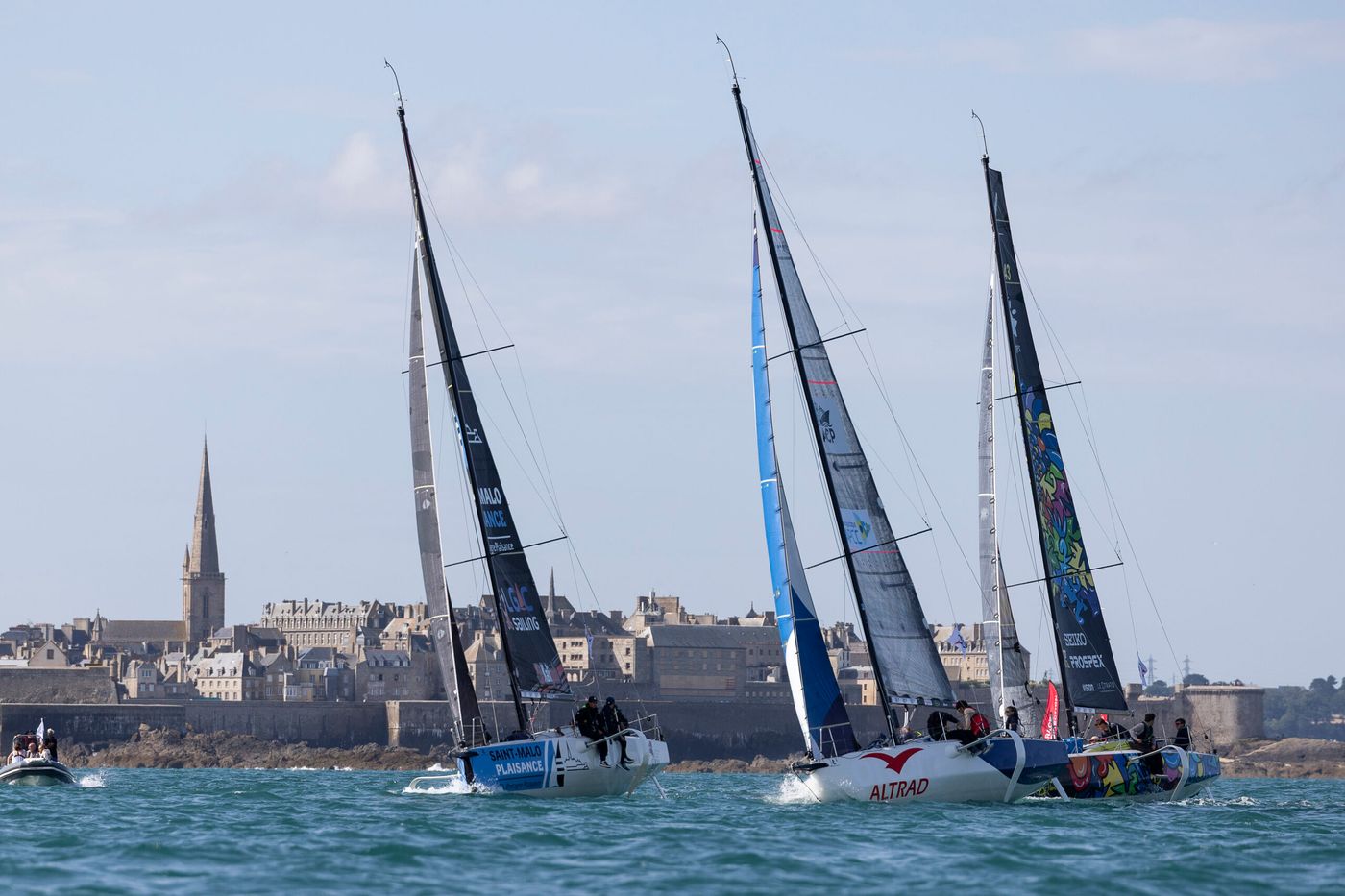
Three bay-race victories before midday gave Dunkerque–Kiloutou the look of a team in commanding form, yet it was Région Bretagne–CMB Espoir who quietly accumulated the points that would define the day. Across a programme that squeezed four windward-leeward races and a coastal course between Saint-Servantine and Fort La Latte into a single bruising schedule, the Brittany crew showed that sustained reliability outweighs moments of brilliance. Heading into day three of this 47th edition of Tour Voile, they lead the overall standings with Dunkerque–Kiloutou just two points behind, and PAPREC by Normandy Inshore Program a further margin back in third.
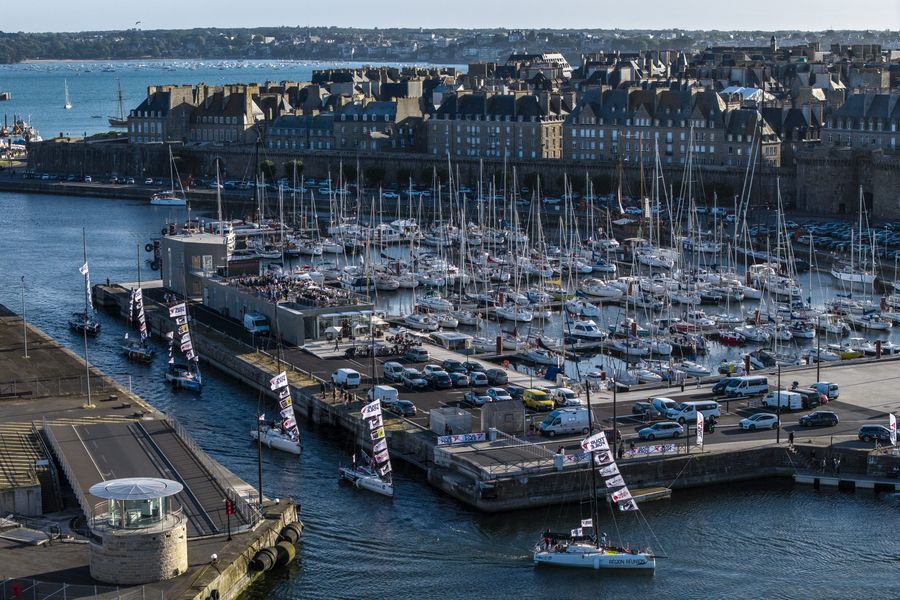
The day's racing arrived with almost no buffer after the opening offshore passage, which had brought the Figaro Beneteau 3 fleet into Saint-Malo from Cherbourg only hours earlier. Teams had precious little time between stepping off the water and going back out onto it, and any crew that used those hours carelessly rather than purposefully found themselves paying the price once racing resumed.
That compression of formats is a deliberate feature of Tour Voile's design, placing demands on the organisation of a team on land every bit as much as on its sailors at sea. Lorenzo Palazzi, racing for La Réunion, offered a frank account of what that turnaround actually involves. "When we return, everything is already prepared: meals, boat setup," he said. "We can shower, sleep a few hours, and go again. Without that structure on land, it would be impossible. Tour Voile isn't won only on the water. All the preparation ashore matters just as much."
The machinery behind that structure never really stops. Rest is staggered across the crew so that while one person sleeps, another is checking equipment, reviewing sail inventory, or working through the tactical shape of the next race. Palazzi described the pace as relentless, while acknowledging that this same intensity is a significant part of why sailors keep returning to the event.
Out on the water, Dunkerque–Kiloutou's bay-race performance was hard to fault. Skipper Arthur Meurisse put those three victories down to basics rather than anything elaborate. "We had good starts, clean manoeuvres, good speed," he said. "It all flowed well." In the shorter, sharper formats, his team looked close to their absolute ceiling.
Sustaining that level across the full day's programme proved harder. Région Bretagne's Tom Goron explained how his squad stayed relevant when conditions shifted and the demands changed. "We stayed very consistent in how we navigated," he said. "Good speed, very few mistakes, clean manoeuvres and trajectories. This morning, with unstable wind, you had to read the water well. Later races were about starts and pure speed, and the Dunkerque team was strong there. But across the whole day, we stayed performant everywhere."
The coastal race turned out to be where the day's points were truly settled. Brittany seized control on the opening beat, and Goron was clear that this was no coincidence. "We had prepared that first section well. We knew that's where the race would really be decided. Once in front, things became simpler. We could run our game." Leading from the front rather than chasing from behind made managing the remainder of the race considerably more straightforward.
A two-point gap between first and second speaks to how closely matched this fleet is across every format on the schedule. More bay racing remains before tomorrow's offshore departure from Saint-Malo to Plérin, and the general classification is far from settled. Meurisse is not the type to dwell on what the coastal race cost him. His approach to closing the gap is characteristically uncomplicated: "A bit of prep, a good meal, a solid sleep, and that's the recipe for happiness tomorrow."