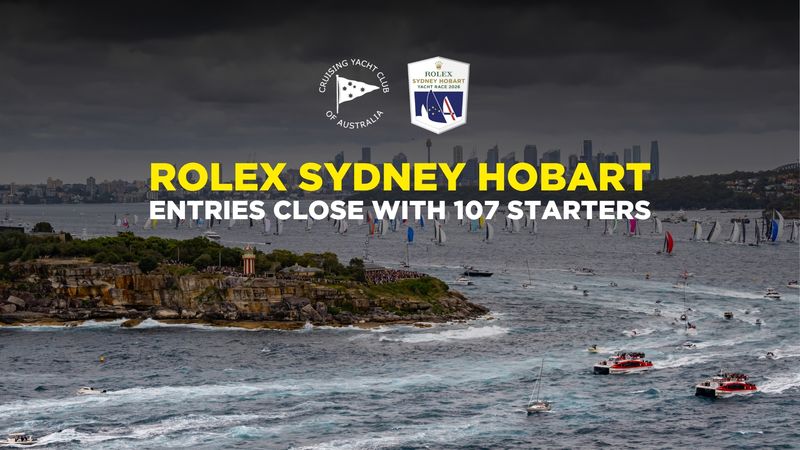
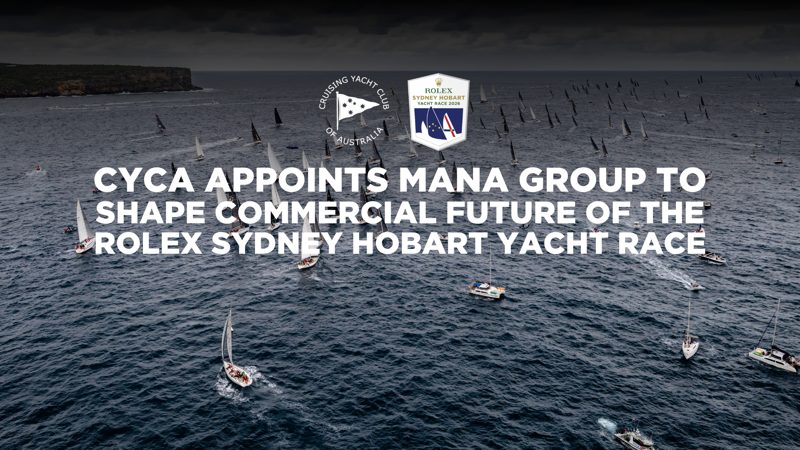
Few appointments in Australian yacht racing have carried quite this much commercial weight. The Cruising Yacht Club of Australia has engaged specialist firm Mana Group to overhaul the business framework underpinning the Rolex Sydney Hobart, one of the Southern Hemisphere's most storied ocean races. After 80 years of competition, the CYCA has decided the race's commercial foundations need rebuilding from the ground up.
Mana Group is not a newcomer to high-profile sporting properties. The firm already manages the TCS Sydney Marathon and Swimming Australia among its portfolio of major Australian events, and the brief it has been handed is far broader than simple sponsorship sales. The work encompasses a full restructure of the race's commercial rights framework, the creation of an entirely new sponsorship architecture, the identification of broadcast and digital revenue streams, and the development of technical systems for tracking and reporting commercial performance. For a member-based club like the CYCA, which counts 3,300 members and welcomes 17,000 visitors each year, that scale of undertaking calls for expertise well beyond what an organisation of that type typically holds in-house.
The audience numbers give a clear sense of what is at stake. Last December's Boxing Day start broadcast on Nine drew 1.3 million television viewers, and digital engagement across the race period reached 8.5 million users. Figures of that magnitude attract serious commercial attention, and structuring the rights around them in a way that maximises return is a specialised discipline.
CYCA CEO Justine Kirkjian framed the appointment as a conscious commitment to the race's long-term health rather than a short-term revenue play. "Mana Group's experience working with sporting organisations, major events and commercial partners made them a strong fit," she said. The intent is sustainability, ensuring the race remains viable and competitive well into the future without trading on its reputation for quick gain.
Mana Group CEO Trent Taylor was candid about the weight of that responsibility. "The Rolex Sydney Hobart is part of Australian sporting folklore. Events like this deserve thoughtful stewardship," he said. "Our role is to help create the commercial foundations that support the race without compromising the heritage that makes it special." That balance is genuinely difficult to strike. Commercial partners expect measurable returns and meaningful brand exposure. Sailors and the broader sailing community expect the race to retain its character. Finding a path that satisfies both is not straightforward.
The 24-year association between Rolex and the Sydney Hobart offers its own commentary on the event's stature. Sponsorships of that duration are rare in sport, and the Rolex name has become so inseparable from the Boxing Day start that imagining one without the other takes some effort. Constructing new commercial channels around a partnership of that maturity, without undermining what has made it last, sits at the heart of what Mana Group has been asked to do.
New Zealand sailors have good reason to watch how this develops. The Sydney Hobart has consistently attracted strong Kiwi entries alongside European and, increasingly, Asian campaigns. When the commercial platform behind a race improves, the effects tend to flow through to broadcast quality, digital coverage, and the professional standard of event management across the board. All of that benefits the whole fleet, including competitors making the crossing from New Zealand, and raises the race's visibility for audiences on this side of the Tasman.
None of this will be judged on the strength of an announcement. The real test comes when the fleet assembles at Sydney Harbour next Boxing Day and everything that Mana Group has built is put to work. Commercial architecture matters only as much as the racing it serves.