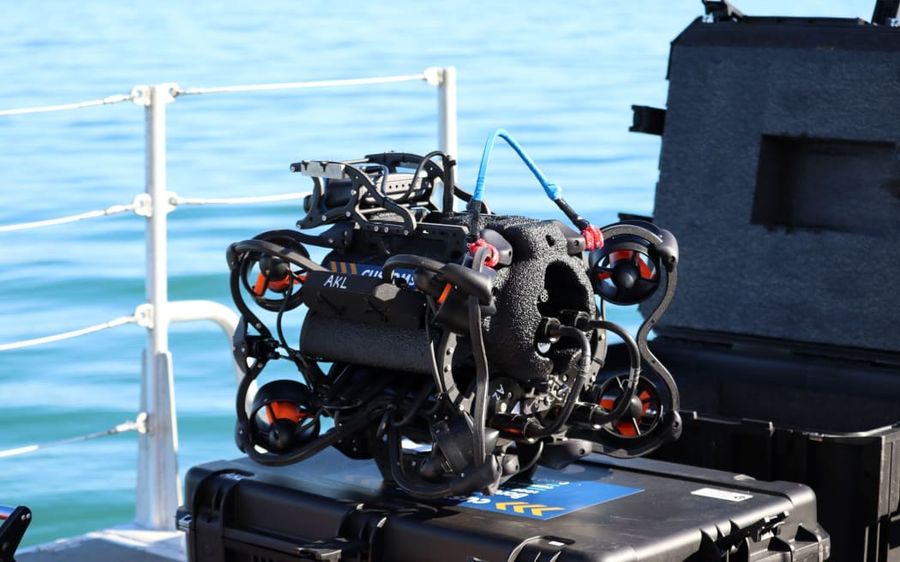
New Zealand Customs is set to bring underwater remotely operated vehicles into service at three major ports, following a pre-budget announcement by Customs Minister Casey Costello at the Port of Auckland on Friday. The initiative aims to strengthen hull inspections below the waterline, reduce the operational demands on specialist dive teams, and counter the growing movement of illicit drugs through maritime channels.
Paul Campbell, Customs group manager for maritime, said the technology would enable faster, more targeted inspections while freeing dive team resources for work that genuinely requires them. "Transnational criminal groups are increasingly exploiting the scale and complexity of the maritime environment to move illicit drugs into New Zealand and across the Pacific," he said. "Customs has, in recent years, invested in a range of maritime capabilities, including uncrewed surface vessels, at-sea boarding capability, specialist detection tools, and now remotely operated vehicles."
Campbell said each of those tools plays a distinct role within Customs' broader border defence capabilities, contributing to the detection and disruption of criminal activity. "Our response brings together intelligence, partnerships, technology, and frontline expertise to target, identify, and respond to border risks earlier, in collaboration with our partners in New Zealand and overseas as needed." He added that the investment supported Customs' wider responsibilities, including "contributing to security across the Pacific."
Minister Costello pointed to the scale of the threat facing the region. "In the first six weeks of this year, a staggering 14 tonnes of cocaine were seized in the Pacific," she said, noting that organised crime had been treating the Pacific as a transit corridor. "Facing these growing threats, we need to make sure Customs has the best tools, the best training, and the best strategic capability possible to meet the challenges. That's what this Budget investment of $70 million is for." She said the funding was directed at both reinforcing the domestic border and building stronger offshore capacity and relationships.
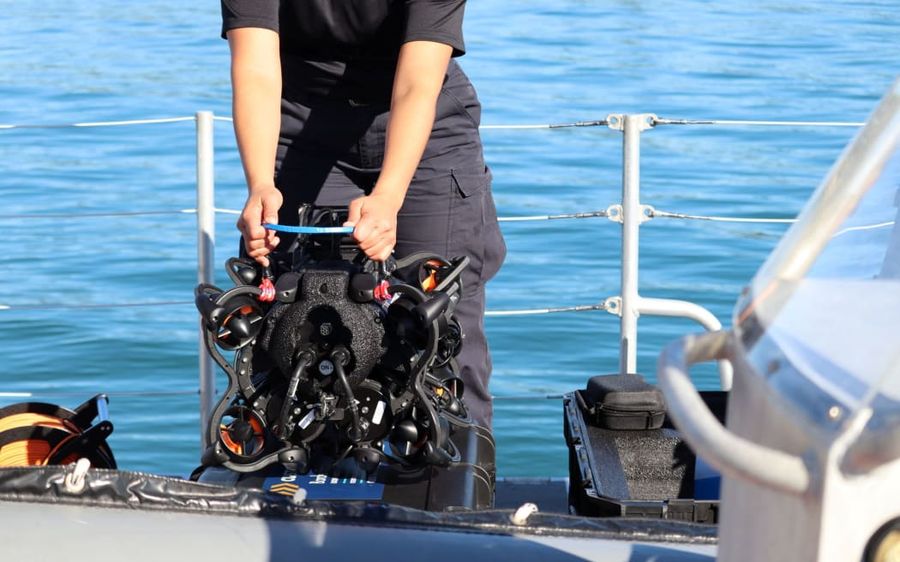
Costello also outlined the safety advantages the vehicles offer over conventional dive operations. "Effectively it's a remote drone that goes under the water, and the team can see into the sea chest around the hulls, they can do it much more safely, they can do much more of it and that's the technology investment that I think is important."
Customs maritime manager Robert Smith was direct about what the vehicles mean on the ground. "We require dive teams right now to go down, it takes a lot of resource, a lot of effort," he said.
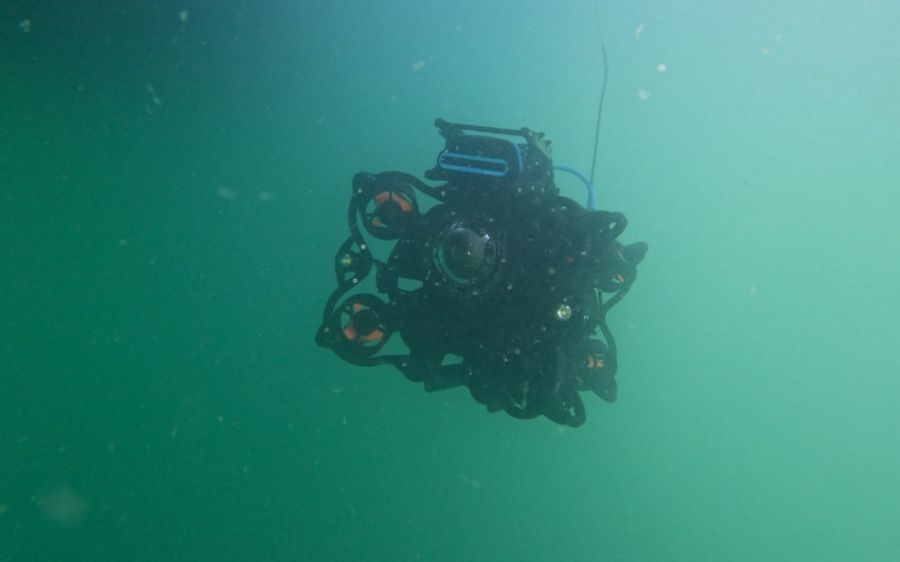
"We can drop one of these things overboard, do a vessel in about an hour and then move onto the next one." Smith said the remotely operated vehicles gave officers a clearer picture of what lay beneath the surface and of the volume of vessels they were contending with. "It's a numbers game, cartel are constantly flooding things, lets just go ahead and get ahead of it."
The vehicles will be rolled out at ports in Auckland, Tauranga, and Lyttelton over the coming months.