Good passage planning separates a genuinely enjoyable cruise from one spent reacting to problems. And while today's motor yachts arrive loaded with capable, integrated electronics, Maritimo's approach to navigation reminds skippers that the technology is only as good as the thinking behind it.
Smart planning starts well before anyone steps aboard. It begins with the broad picture and works inward, layer by layer, until every detail of the passage has been considered.
Captain Sleeth's method is to open with the widest view first, reviewing available weather windows, total distance, and known hazards before gradually narrowing attention to anchorage approaches, marina entry details, and fallback options. Whether the trip is a relaxed weekend cruise or a demanding offshore passage, this layered process helps skippers anticipate what's coming, make more considered decisions, and arrive at each stop with energy rather than anxiety.
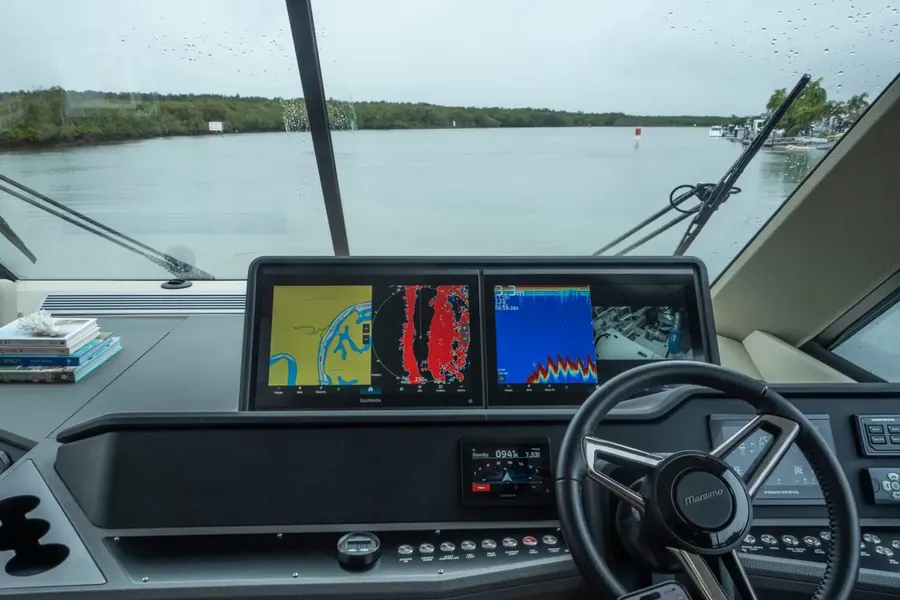
Technology has transformed passage planning, and Maritimo embraces it fully, from chartplotters and PredictWind to crowd-sourced apps like Navily and Windy. The approach is deliberately hybrid. Digital charts need to be updated regularly and cross-checked against printed cruising guides. Satellite imagery is worth consulting when assessing an unfamiliar anchorage. A written day sheet, covering weather, expected arrival times, and key notes, keeps the skipper anchored in the practical realities of the day. Paper charts with pens remain on board as backup, because systems fail and conditions shift in ways no screen can always anticipate.
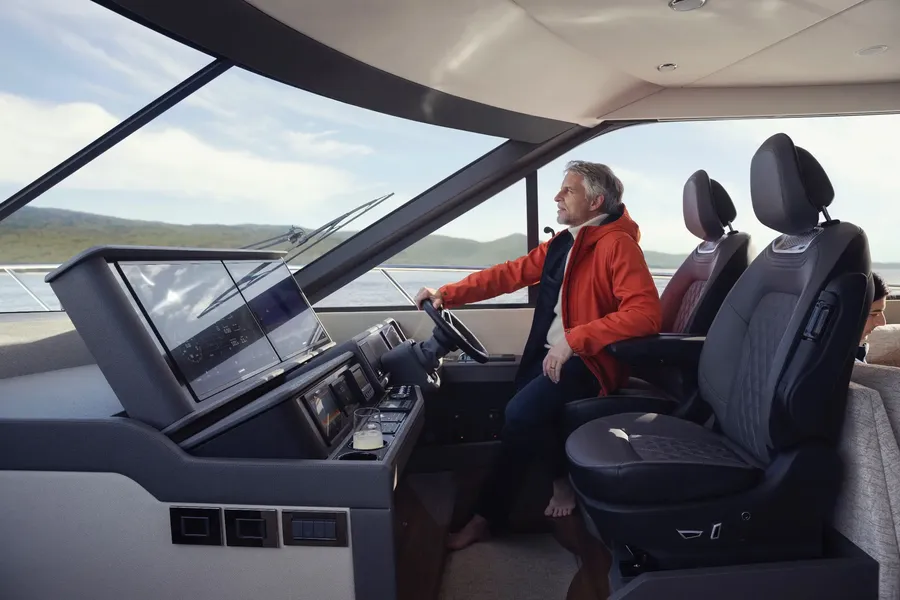
One of the more honest pieces of Maritimo's planning philosophy is the instruction to assume something will go wrong. Not pessimism, but preparation. Sleeth makes a habit of reviewing bailout bays, bottom types, and wind exposure at alternative stops before departure. When conditions deteriorate or plans unravel, that prior thinking means the skipper can act calmly and decisively rather than scrambling for options under pressure. It also provides visible reassurance to guests and crew, which matters more than most people admit.
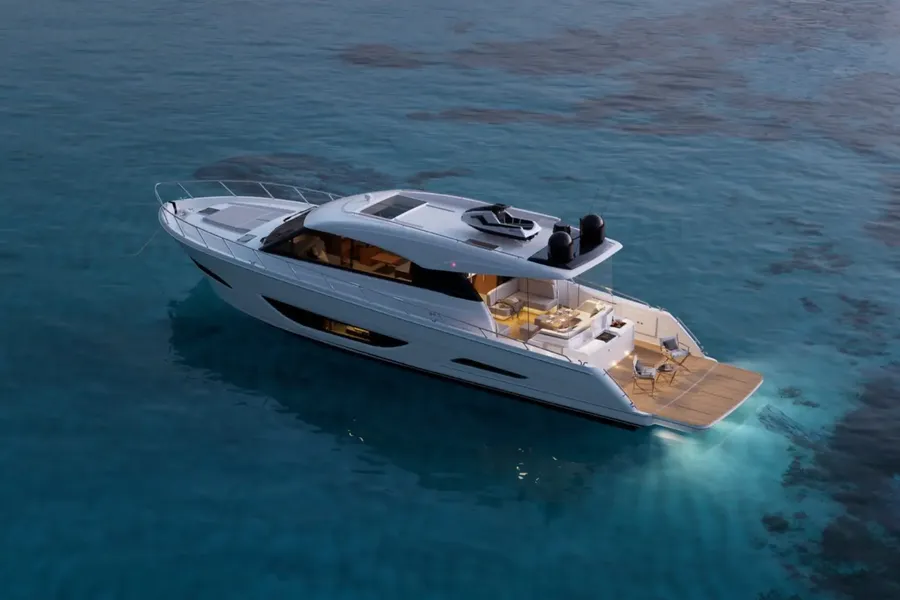
Knowing your vessel's rhythm is another piece of the puzzle. Maritimo owners frequently cruise at carefully selected speeds to manage fuel economy, and understanding what the burn rate looks like at 8.5 knots versus 10.2 knots, for example, has real consequences for range calculations. That knowledge prevents unnecessary fuel stops and protects against running short when weather forces a deviation from the original route. Even on shorter legs, a clear picture of range and reserves removes one more variable from an already complex equation.
The cruising community is a resource worth tapping. Online platforms now carry first-hand knowledge on everything from ferry wake schedules to the quality of holding ground in popular anchorages. That granular, experience-based information can smooth a passage in ways that official charts simply cannot capture.
Briefing crew and guests well is equally important, and Maritimo's recommendation here is for simplicity over thoroughness. Sleeth suggests a relaxed briefing the evening before departure, followed by a short update on the morning of. People who understand the basic shape of the day ask fewer anxious questions and tend to enjoy themselves more.
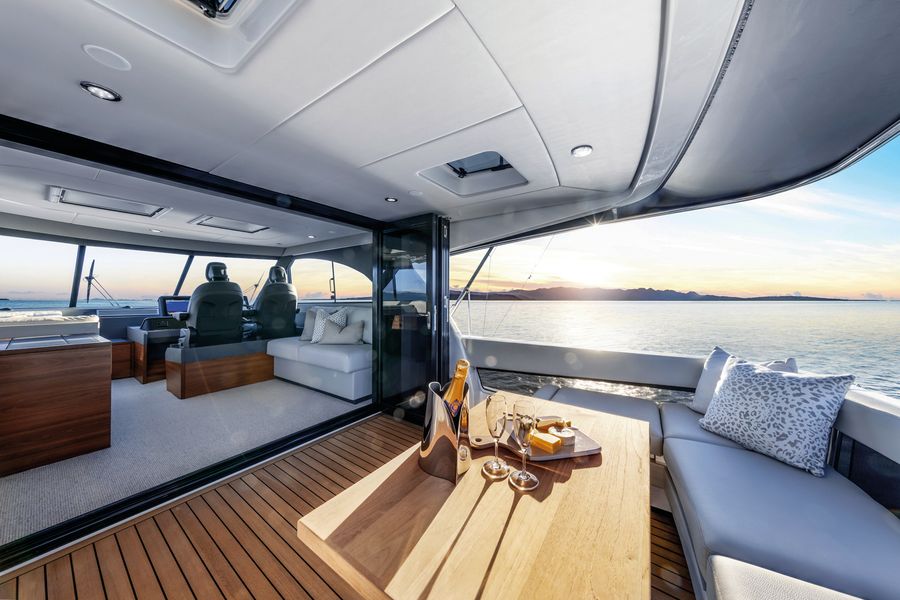
The wide view is necessary, but it can hide things. Maritimo's advice is to always zoom in and scrutinise the fine detail, looking for rocks, submerged cables, fishing gear, and shoals that are invisible at a twenty-mile scale. Conversations with locals, posts on boating forums, and a second pair of eyes on the final plan are all worthwhile habits. What appears completely clear on a broad chart can be harbouring real trouble when examined at 1:1,000.
Confident passage planning isn't a function of complexity, whether the vessel is a long-range bluewater cruiser or a weekend runabout. It comes from clarity, from asking what the purpose of the day is, what might change, and what the backup plan looks like when it does. With those questions answered before leaving the berth, a skipper isn't merely navigating from point to point.
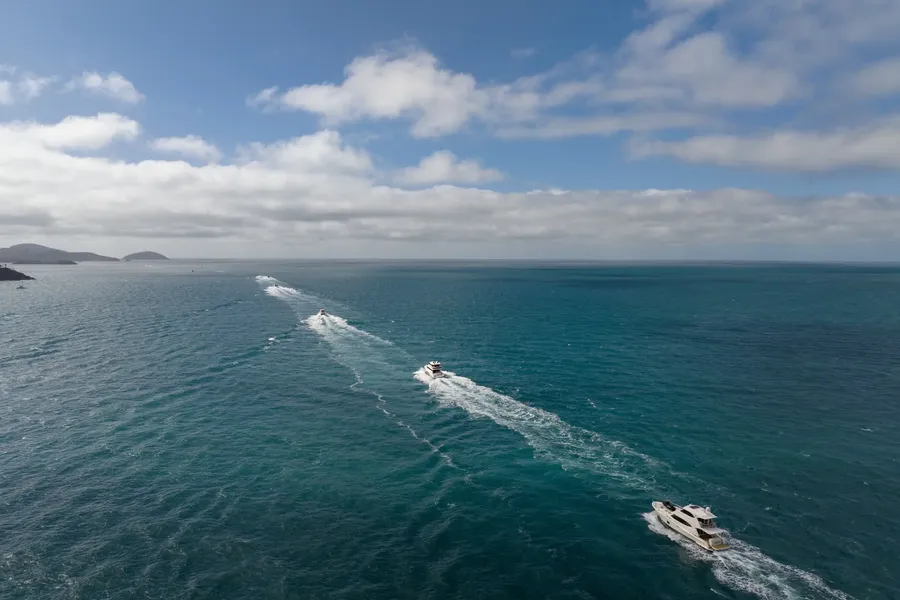
They're skippering with genuine confidence.