B&G turns 70 this month, and Yachting New Zealand is marking it with a celebration evening at the Royal New Zealand Yacht Squadron on Tuesday, 11 August, open to sailing and marine industry members, tracing the brand's heritage alongside its ongoing partnership with the national body. Seventy years is a reasonable excuse to look past the chartplotters on the shelf right now and into what's actually built that reputation.
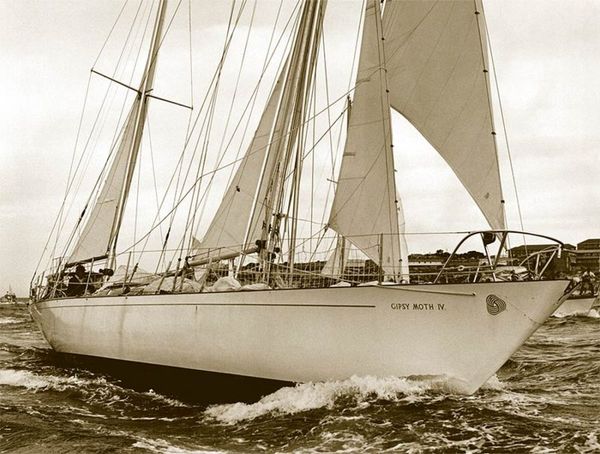
The 'Homer' and 'Heron' direction-finding equipment B&G built in the 1960s is on permanent display in London's Science Museum, the actual receiver, converter and aerial Sir Francis Chichester carried aboard Gipsy Moth IV for his single-handed circumnavigation of 1966 to 1967.
B&G started as a partnership between Major R.N. Gatehouse and Ronald Brookes, formed in Selsey, near Chichester and Portsmouth on England's south coast in 1955. Its first product, the Heron DF aerial, travelled south with New Zealander Sir Edmund Hillary and Sir Vivian Fuchs on their Commonwealth Trans-Antarctic Expedition, a decade before an updated version of the same aerial went to sea with Chichester.
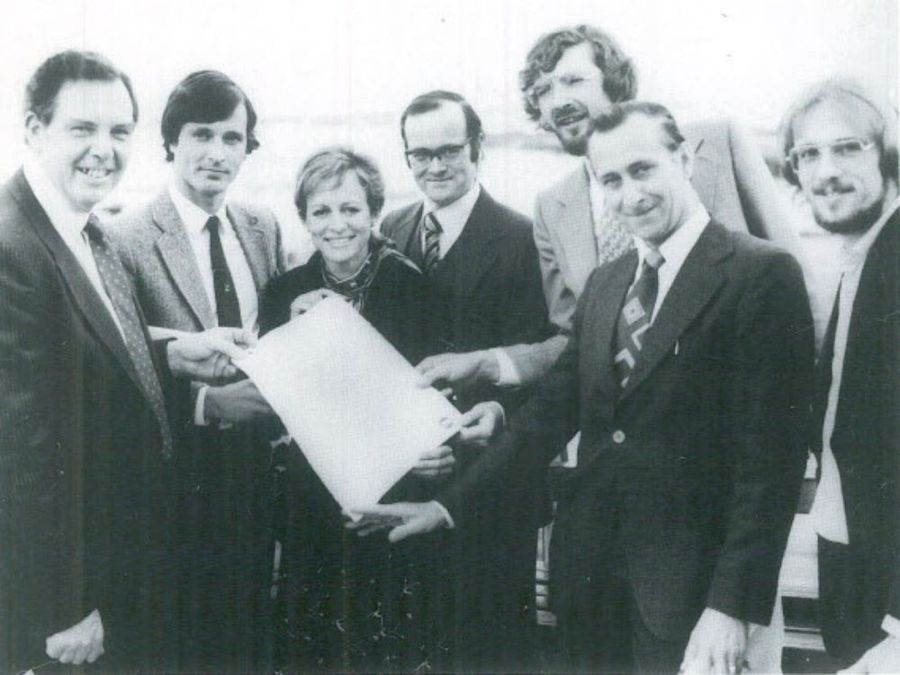
B&G collected British Design Council Awards in 1981 and 1982, the second for the Homer 5 marine radio, becoming the first marine electronics company to win the honour twice. Prince Philip presented that second award in London, only hours before B&G co-founder Major Gatehouse died at 63.
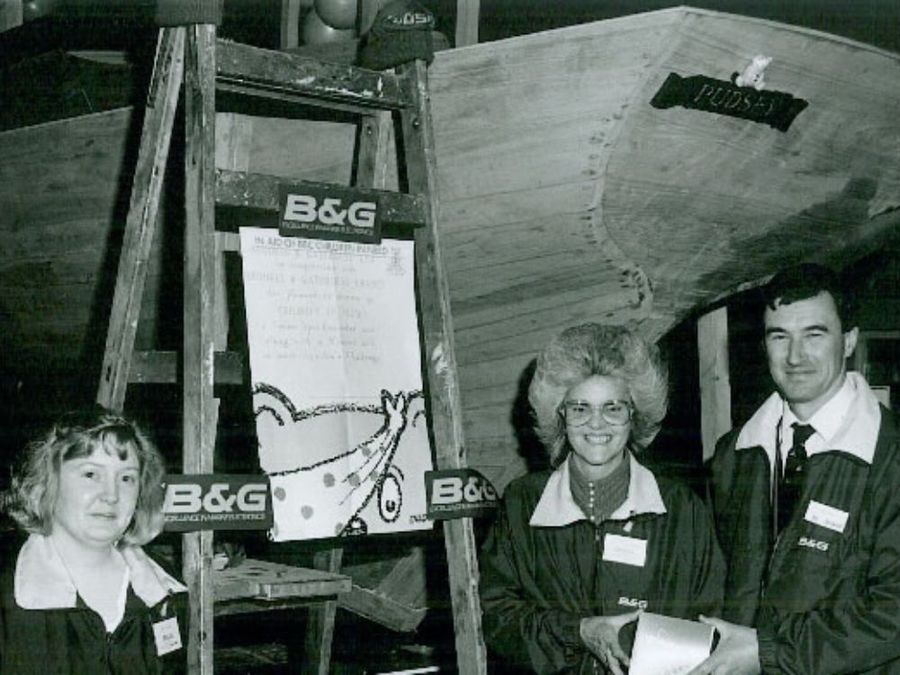
B&G's offshore record runs straight through New Zealand. Peter Blake carried B&G instruments across three consecutive Whitbread campaigns, Ceramco New Zealand in 1981-82, Lion New Zealand in 1985-86, and Steinlager 2 in 1989-90, a boat that won every single leg outright and remains the only yacht to have ever done it. Grant Dalton was there too, first aboard the equally dominant Fisher & Paykel, then as skipper of NZ Endeavour, which took the 1993-94 race overall while Ross Field brought the newly introduced Whitbread 60 fleet home nine hours behind in Yamaha. Different boats, different skippers, the same instrument brand wired into every one of them.
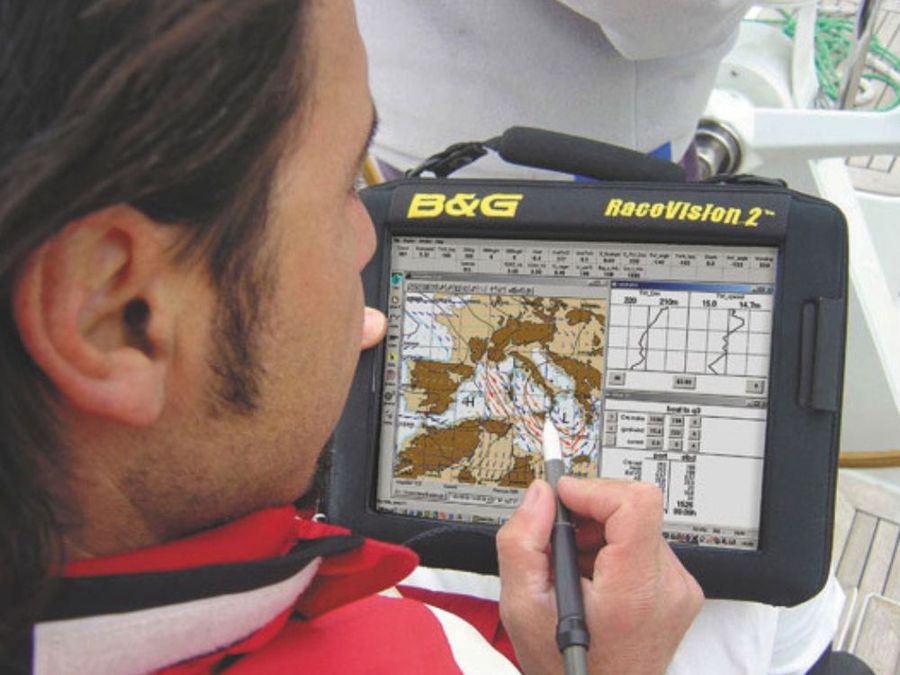
Every Volvo Ocean Race and America's Cup entry was confirmed running B&G kit by 2005. François Gabart won the 2012-13 Vendée Globe on Macif fully B&G-equipped, and Armel Le Cléac'h edged out Alex Thomson for the 2016-17 title with both yachts leaning on B&G's H5000 autopilots to do much of the steering through the Southern Ocean, 80 per cent of the fleet running the brand by then. B&G is now technical supplier to SailGP, with its sensors optimising performance across the F50 fleet and helping organisers calibrate speeds and supervise courses, and back in 2004 the company won a DAME Award at METS in Amsterdam, the marine industry's own top design honour, for the RemoteVision controller developed with Ellen MacArthur and Mike Golding.
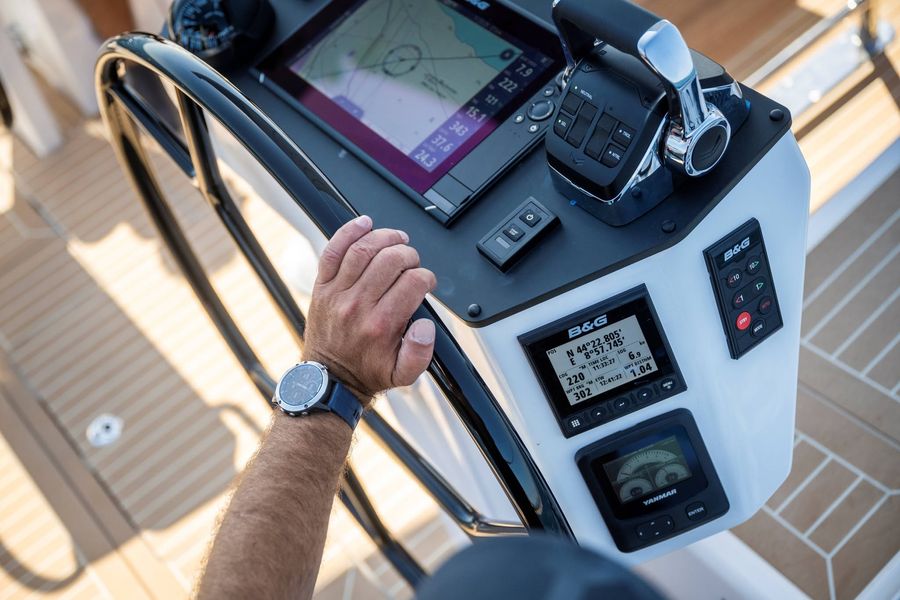
Steinlager 2 and Lion New Zealand are still sailing, preserved by the NZ Sailing Trust and taking young Kiwis out onto the Hauraki Gulf. B&G marked that legacy directly in 2020, partnering the trust on a short film, with Navico's APAC Marketing Director Michael Blackwell saying the company was proud to be involved with such an iconic part of New Zealand's sailing history. Navico, the parent company that now owns B&G alongside Lowrance and Simrad, runs its largest research and development operation anywhere in the world not from Norway or the UK, but from Rosedale, on Auckland's North Shore, where it's been based for close to two decades. There's a decent chance the Zeus display on a boat in the Mediterranean this summer was engineered a short drive from Takapuna Beach.
Editor's take: Both the Hadrian distance-off-course computer and the Horatio performance computer were prohibited from racing under RORC rules not long after they launched, because they gave crews too much of an edge. That same edge is what SailGP now pays B&G for. The rules caught up with the technology once. This time the sport built the technology in from the start.