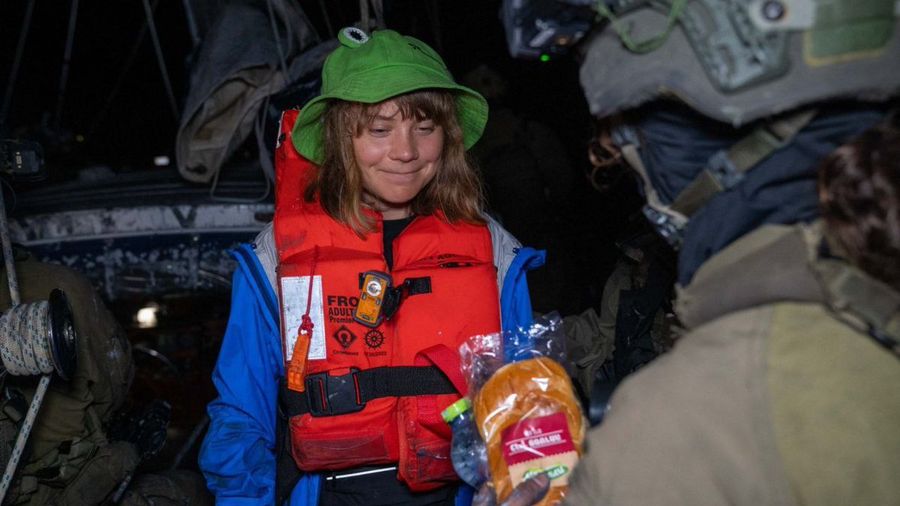
On 1 June 2025, the 14-metre sailing yacht Madleen departed from Catania, Sicily, carrying 12 activists, including Swedish climate figure Greta Thunberg. Organised by the Freedom Flotilla Coalition, the voyage intended to deliver a symbolic aid cargo to Gaza and challenge Israel’s naval blockade.
Just over a week later, Israeli naval forces intercepted the vessel approximately 100 nautical miles offshore. The operation was peaceful: the yacht was diverted to Ashdod, its passengers medically examined, and then held for deportation. But before the boarding had even occurred, a pre-recorded video message from Thunberg was released online, claiming she had been “kidnapped” by Israeli forces in international waters.
The use of such language — and the timing of its release — drew immediate scrutiny. But beyond the headlines lies a deeper maritime issue: What are the rights and limits of states in international waters? And for yacht owners or skippers heading offshore, what should they understand about sailing near contested regions?
What are international waters — really?
In simple terms, a country’s territorial waters extend 12 nautical miles (nm) from its coastline. Within this area, the state exercises full sovereignty, just as it does on land.
Beyond that, the Contiguous Zone (up to 24 nautical miles (nm)) allows enforcement of customs, immigration, and quarantine laws. Further still, the Exclusive Economic Zone (EEZ) — which stretches to 200nm — gives a country rights over natural resources but not over foreign ships transiting through.
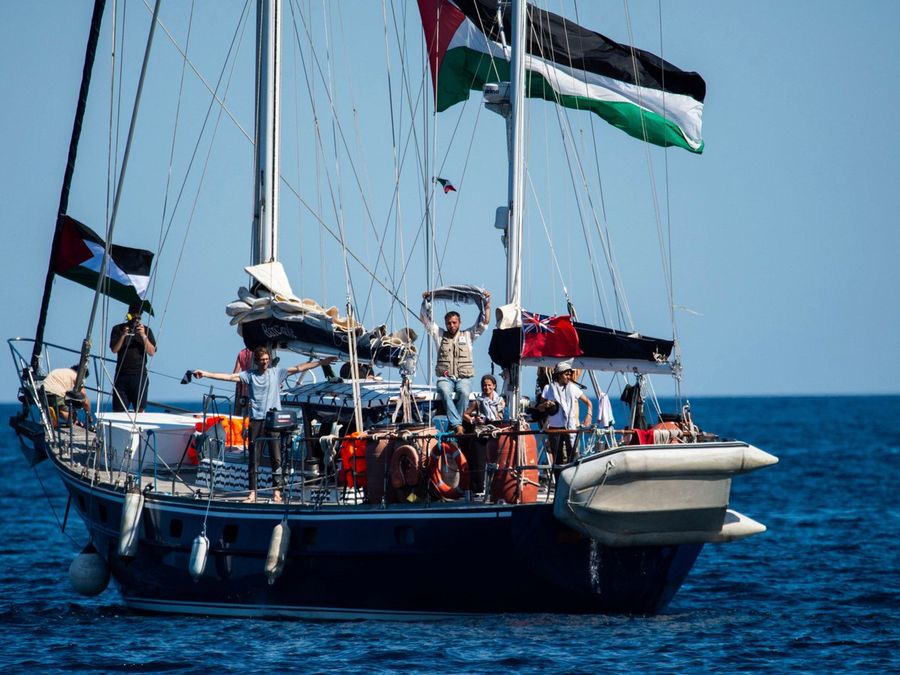
Greta Thunberg’s vessel was intercepted 100nm from shore — clearly outside Israel’s territorial waters. However, UNCLOS (the United Nations Convention on the Law of the Sea) does allow states to take defensive action beyond 12nm in cases of real threat or conflict. In areas of active hostilities or embargoes, navies often maintain maritime security zones, and international precedent backs limited interdiction in high-risk zones.
New Zealand’s own high-seas enforcement
While far from the Mediterranean, New Zealand is no stranger to maritime interdiction.
In 2019, a foreign fishing vessel suspected of illegal activity was intercepted by the Royal New Zealand Navy 380km off the Auckland Islands, well beyond the 12nm territorial boundary. The crew was detained under the Fisheries Act 1996, and the operation was later upheld as compliant with international law.
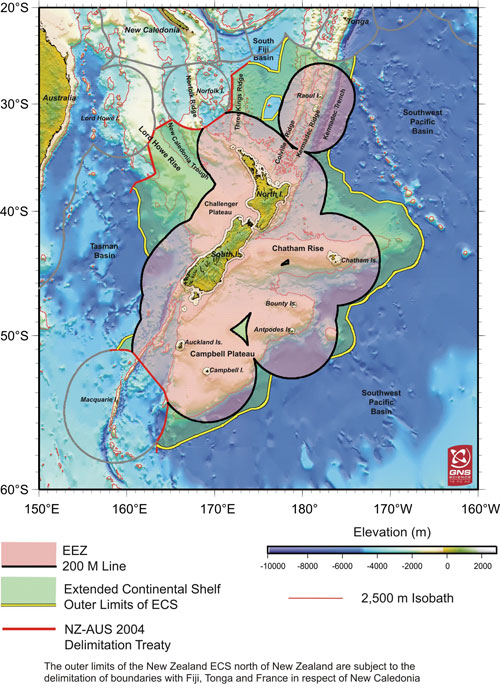
Similarly, Customs and MPI have legal authority to act within New Zealand’s EEZ — and beyond, if threats to biosecurity or safety are evident. Surveillance and enforcement are often coordinated with Australia, France, and Pacific nations under regional security agreements.
These actions mirror what happened with the Madleen — but with less political noise. The key difference is that Thunberg’s vessel intentionally sailed into a declared conflict zone, with the aim of challenging a blockade.
Planning a passage through sensitive waters
For private skippers considering long-range cruising — whether to Southeast Asia, the Indian Ocean, or the Middle East — understanding the legal and security landscape is crucial.
Practical questions to ask include:
- Are any countries along the route engaged in maritime conflict or embargo enforcement?
- Are there NOTAMs (Notices to Mariners) or NAVTEX alerts for restricted sea zones?
- Will your insurance cover you in contested or embargoed waters?
- Are you prepared for search or interception — legally and practically?
The risks of pre-scripting the narrative
Thunberg’s pre-recorded video was broadcast before the yacht was intercepted. The statement declared the crew had been "kidnapped" in international waters — despite the peaceful nature of the boarding and subsequent treatment.
SOS! the volunteers on 'Madleen' have been kidnapped by Israeli forces. Greta Thunberg is a Swedish citizen. Pressure their foreign ministries and help us keep them safe! Web: https://t.co/uCGmx8sn8j X : @SweMFA FB : @SweMFA IG : swedishmfa#AllEyesOnMadeleen pic.twitter.com/76Myrg2Bnz — Freedom Flotilla Coalition (@GazaFFlotilla) June 9, 2025
Words like ‘kidnapped’ and ‘SOS’ have operational meaning on the ocean. They aren’t metaphors. They trigger protocols — and sometimes, unintended consequences.Using the language of distress at sea comes with consequences. Under international maritime law, falsely signalling distress can carry penalties, especially if it diverts naval or rescue resources.
Conclusion: Know the rules before you go
For New Zealanders planning to cruise internationally — particularly in regions with political sensitivities — the lessons from the Madleen incident are clear.
Understanding where international waters begin is only part of the story. Understanding what’s happening in those waters — politically, legally, and operationally — is just as important.
Whether it’s a protest voyage or a bluewater cruising itinerary, responsible seamanship includes legal awareness. Because when the sea becomes a stage for messages, the boat can quickly become the story.