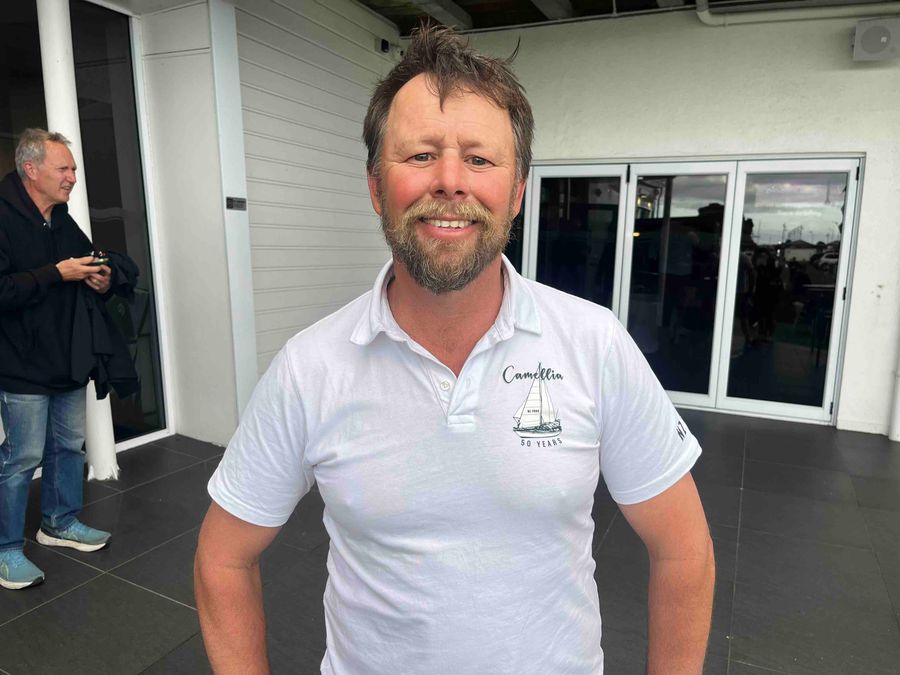
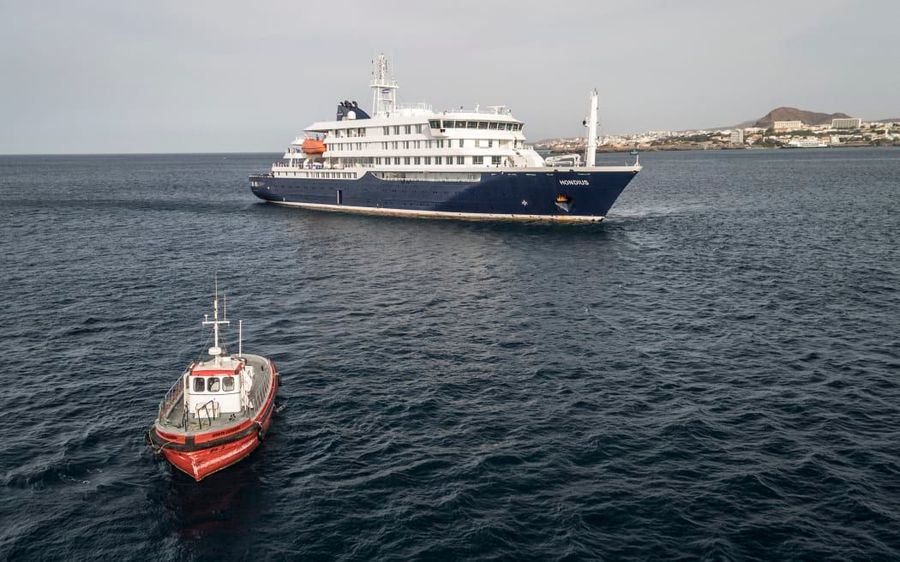
A New Zealander among the last passengers to leave the hantavirus-affected cruise ship MV Hondius is expected to face quarantine in Australia, travelling aboard an Australian government-supported flight out of Tenerife.
The operation to clear the MV Hondius has been a substantial logistical undertaking, with 149 passengers and crew ferried from the vessel by small boat before being dispersed to their home countries by air. According to the ABC, the final group to depart the ship comprises four Australians, one permanent resident, and one New Zealander, their departure delayed because the repatriation flight from Australia takes longer to reach Tenerife than aircraft from closer countries.
Australia's Department of Foreign Affairs and Trade confirmed the New Zealander would be aboard a government-supported flight leaving Tenerife for Perth on Monday. A departmental spokesperson said that, while the precise arrangements were still being worked through, the expectation was that the New Zealander would be placed in quarantine on arrival in Australia.
New Zealand health officials were more cautious in their public statements. Dr Corina Grey, director of public health at the Ministry of Health, said discussions about repatriation options for the New Zealander were continuing in collaboration with international partners. In comments to Checkpoint, Grey acknowledged that officials do hold powers to compel a person carrying a notifiable disease such as hantavirus into quarantine, but she noted the New Zealander had been "very cooperative." She declined to confirm what the Australian authorities had said about quarantine arrangements, describing the overall picture as complex and still developing. "It's a complex situation, so the situation is evolving, but we can provide more detail as the situation evolves," she said.
Grey also noted that a second New Zealander who had been aboard the MV Hondius had disembarked earlier and had no plans to return to New Zealand. Health officials had been in contact with that individual as well.
On the question of public health risk, Grey was reassuring, emphasising that hantavirus does not generally spread between people. If anyone connected to the MV Hondius did need to return to New Zealand for quarantine, she said public health services were "very well-placed" to support them.
Grey addressed wider concerns about the virus directly. "Our focus is on supporting this individual and protecting the public from any public health threat. We will take steps necessary to protect public health, but it is important to note the risk to the New Zealand public remains low," she said. She was equally clear that hantavirus was not Covid-19, pointing out that while it could cause serious illness, it was not readily transmitted from one person to another.
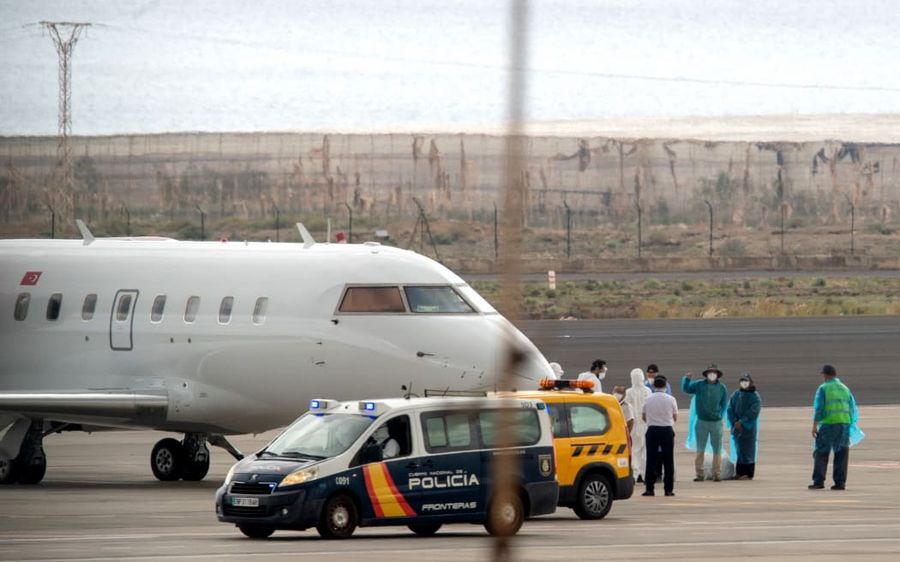
Reuters correspondent Victoria Waldersee, speaking to Morning Report, outlined how the evacuation had been conducted. Passengers in protective gear were taken off the ship in small boats, grouped according to nationality, and brought ashore at Tenerife in the Canary Islands. Military buses then carried them on the ten-minute journey to the airport, where government aircraft were standing by. The process was deliberately structured to keep evacuees away from members of the public, and no passengers were brought off the MV Hondius until their specific evacuation flight had already touched down.
By the time of reporting, the majority of passengers had been evacuated. The Australian flight, which would also carry the New Zealand passenger, was not expected to reach Tenerife until Monday evening. A further flight departing the following day from the Netherlands was due to collect passengers from various countries whose governments had not arranged dedicated aircraft, Waldersee said.
Three people have died since the outbreak began aboard the MV Hondius, and five passengers who had already left the ship before the outbreak was formally declared have since been confirmed as infected. Among those already evacuated, the French case attracted particular attention. French Prime Minister Sebastien Lecornu announced that one of the five French passengers flown home had shown symptoms during the flight itself. "One of them showed symptoms in the repatriation plane," he posted on X. "These five passengers have immediately been placed in strict isolation until further notice. They are getting medical treatment and will have tests and a medical check-up," he added.
The aircraft carrying the French evacuees touched down at Le Bourget airport, north of Paris, a little before 4.30pm local time on Sunday. The passengers were then transferred to a convoy of five ambulances and taken under police escort to Bichat hospital in Paris.
The World Health Organisation has recommended a minimum quarantine period of 42 days for all evacuees from the ship, whether managed in hospital or at home, combined with daily health monitoring. Waldersee noted that the practical implementation of those quarantine requirements was being left to each country to determine for itself.
In Tenerife, local health officials sought to reassure residents that evacuees would have no interaction with the island's general population, noting that hantavirus is only transmissible between humans in cases of very close contact.