
A windlass is the kind of gear that stays out of mind right up until the moment it lets you down. That moment tends to arrive at the worst possible time, usually with someone standing on the foredeck wondering why the chain has stopped moving. Getting ahead of that is simple enough: before the season builds momentum, run a thorough check. Test the foot switch, inspect the wiring for corrosion, confirm the drum rotates freely, and give the gypsy, solenoid, and fuse a proper once-over.
If your existing unit is showing its age or feels marginal, the upgrade case is easy to make. The Maxwell RC8-8 and RC10-10 are well-regarded by plenty of Kiwi boaties, and for good reason. Recovering the pick in a chop is far less of an ordeal with something reliable under the deck fitting. When you do haul anchor, ease the boat forward gently with the engine to break the anchor free rather than asking the windlass to do all that work alone. It takes the stress off the motor and tends to spare everyone a few anxious minutes.
One more thing worth committing to memory: know exactly where the windlass fuse is located before you need to find it in a hurry. A blown fuse tucked away at the far end of the boat once cost hours of needless troubleshooting one summer. Learn that lesson without living it.
New Zealand's coastline does not make anchor selection straightforward. Soft mud is common in the Hauraki Gulf, sand dominates around Coromandel, the Sounds can be thick with weed, and rocky patches around Great Barrier will test your patience and your gear. No single anchor excels in every one of those environments, which makes matching the anchor to the likely seabed a worthwhile exercise.
Modern scoop-style designs have earned a solid following locally. The Rocna Original, Rocna Vulcan, and Manson Supreme all set quickly and hold well across a wide range of conditions. For soft mud, sizing up by one is often the better call. In weedy ground, the roll-bar and sharper fluke geometry of a Rocna can work through kelp and reach firmer holding beneath it.
Carrying a spare anchor is not overcaution, it is experience. A main anchor jammed deep in rocks at Great Barrier with no backup on board is the kind of situation that makes the argument for you, emphatically.
The connection between anchor and bow deserves as much attention as the anchor itself. Nylon warps should be checked carefully for chafe and UV degradation, particularly at chocks and rollers where wear concentrates. Nylon remains the preferred choice for shock absorption, especially in short or lively anchorages, and rope packs from Burnsco are a practical fit for trailer boats and smaller launches.
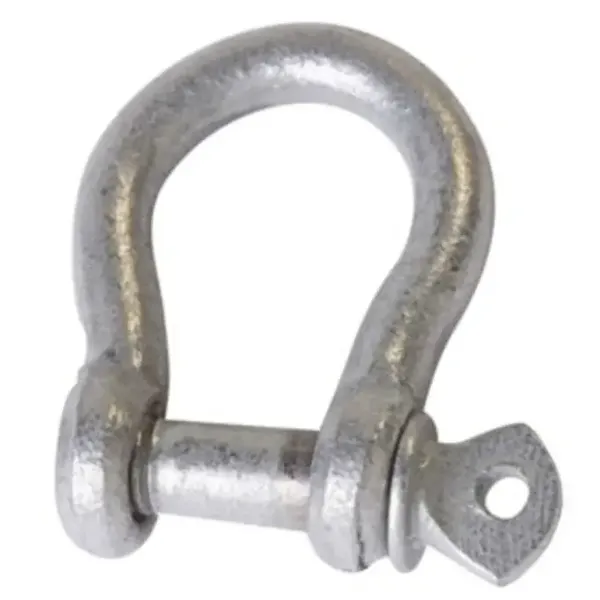
Galvanised short-link chain needs a close inspection too. Look for stiff links, worn galvanising, and any flattening that might affect how the chain runs. Good chain helps the anchor lie at the correct angle and contributes directly to holding power. Shackle pins should be re-wired or cable-tied so they cannot work loose over time.
For anyone who anchors regularly, fitting a snubber or bridle is worth doing. It absorbs load, reduces chain noise, and settles the boat noticeably during a gusty afternoon at anchor.
Bow hardware tends to be taken for granted right up until something fails. Rollers that no longer spin freely can snag chain or damage warp at precisely the wrong moment. Before summer, spin every roller by hand, check bolts and backing plates, and replace anything that is worn or misaligned. Burnsco's roller replacements make that an uncomplicated job. Bollards at bow and stern are worth a quick pull-test too. Any movement or cracking around the base is a clear signal to re-seat or re-bolt before putting real load through them.
A telescopic boat hook is one of those pieces of old-school gear that still proves its worth in tight situations. Grabbing a mooring line, holding the bow off a wharf, taking a line from another vessel, all of it is easier with a decent hook in hand.
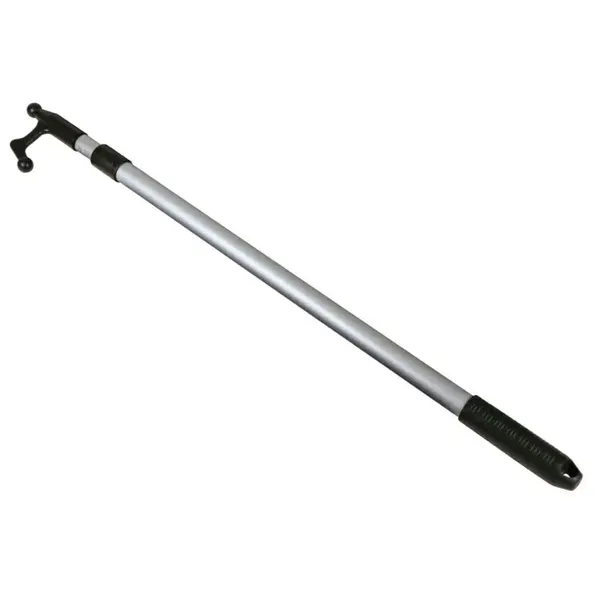
Floating, telescopic models such as Boat Gear's version available through Burnsco are light and practical. Keeping one forward and one aft is sensible, as is buying a spare. Boat hooks have a well-known talent for going overboard.
Dropping the pick in a crowded summer anchorage calls for a bit of forethought. Consider the seabed, the wind direction, the tide, and how much swing room exists around you. In calm, sheltered harbours a scope of 3:1 may be sufficient, but in breezier or more exposed conditions, 5:1 gives better holding and more comfort. Lower the anchor in a controlled manner rather than dumping the chain all at once, ease back steadily until the anchor bites, and if the boat drifts unexpectedly, reset rather than hoping for the best. A night spent listening for bumps in the dark is a poor trade for a few extra minutes of effort at the start.
In lakes and rivers, skirting around weed beds where possible and allowing for shifts in current will save trouble later. Good anchoring practice is not only about your own boat. Everyone sharing the anchorage has a stake in it.
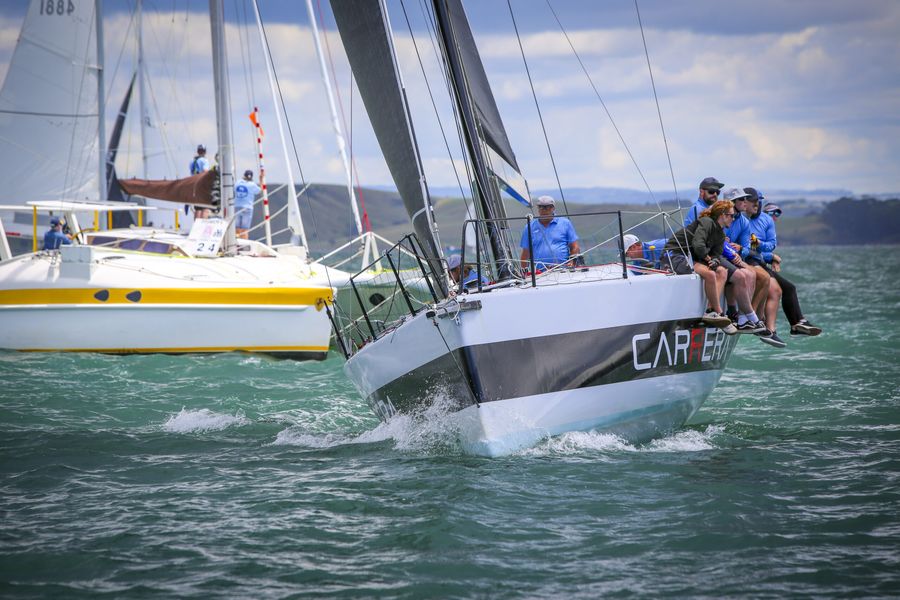
Time spent now on the small maintenance jobs, cleaning windlass contacts, going through the chain link by link, replacing tired shackles, checking bow rollers, or simply picking up a new boat hook, pays back in quiet confidence later in the season. When you swing at anchor off a beach or slide into a marina berth at the end of a long day, that confidence lets you be present for the moment rather than running through a mental checklist of what might go wrong.
Good anchoring and docking gear will not make anyone a better skipper on its own, but it removes one more source of uncertainty. On a warm summer day, that is worth quite a lot.