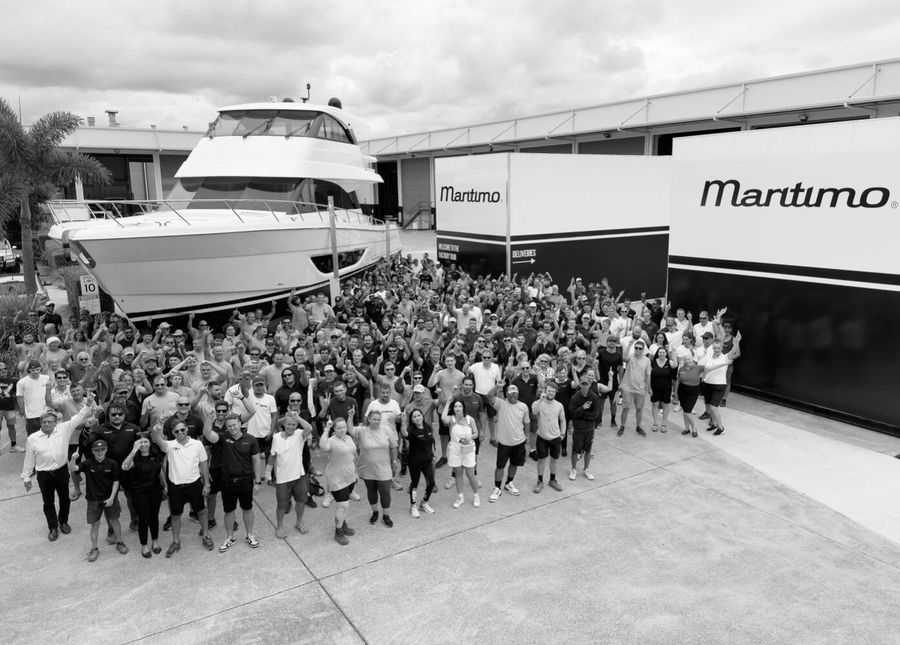
Maritimo's apprenticeship programme is grounded in a conviction that sits at odds with much of contemporary manufacturing: that the most dependable route to long-term success runs through the patient development of people from within, giving young workers genuine responsibility and trusting that the investment will pay off.
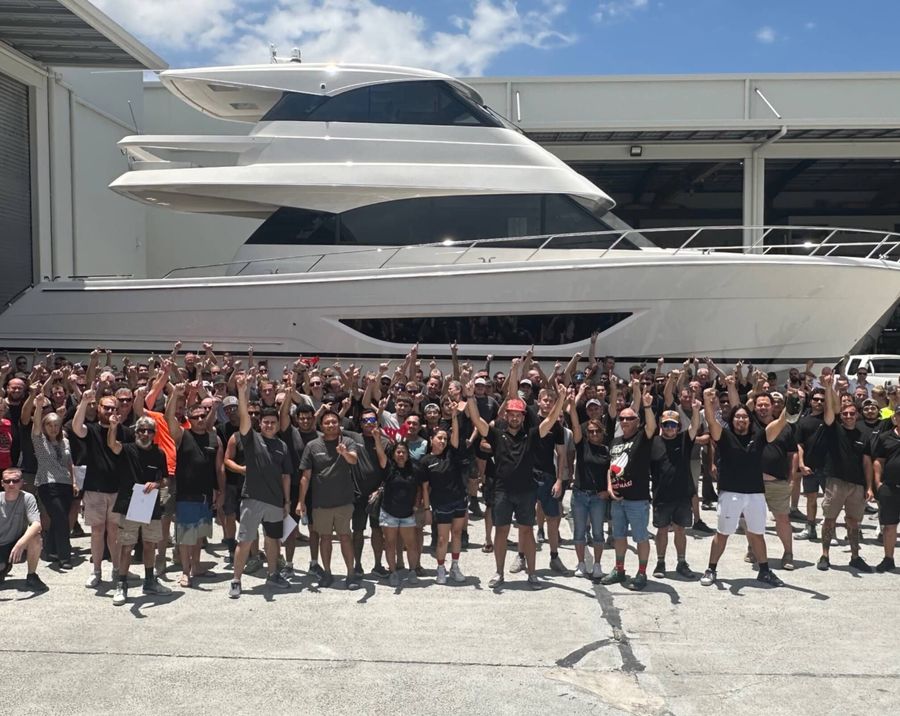
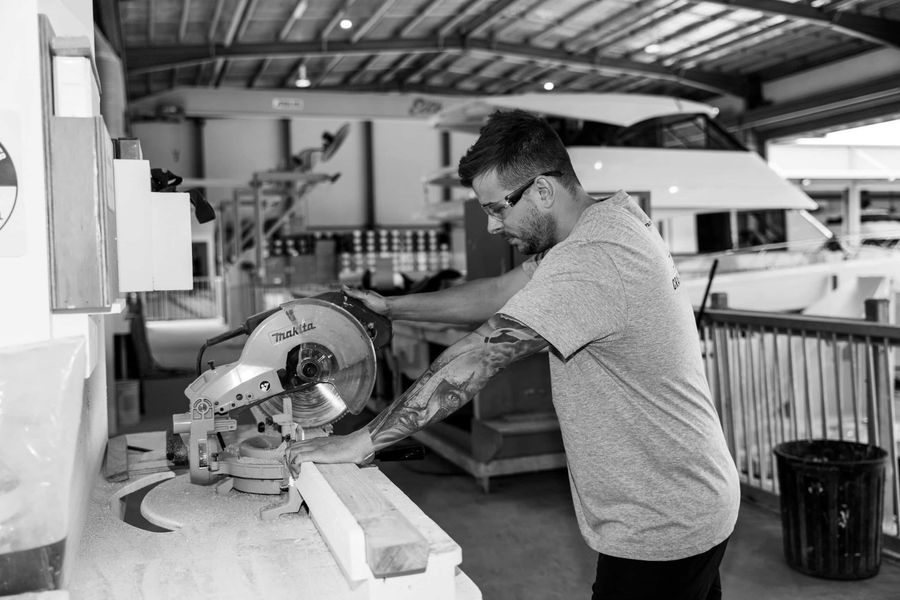
The Australian motor yacht builder has operated its structured apprenticeship programme for eight years, with roughly forty apprentices having moved through it in that time. For Production Manager Kym Fleet, the steady flow of candidates matters less than what becomes of them once they find their footing. "The idea is to retain the majority of these apprentices so they become our boat builders, and for some, the leaders of tomorrow," he says. From the outset, the programme is shaped around permanence, treating each new recruit as a long-term contributor rather than a stopgap for an immediate staffing need.
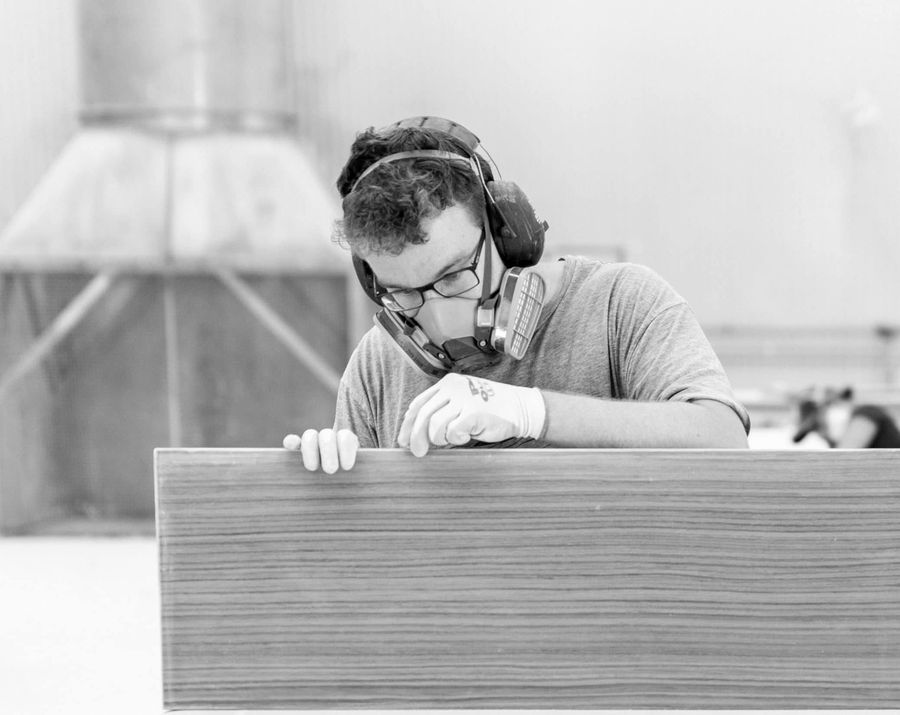
That philosophy takes hold before a candidate has even walked through the door. The interview process carries a clear expectation that applicants have taken time to understand the company, a signal of genuine enthusiasm rather than convenience. Those who are taken on quickly discover that the experience reaches well beyond mastering a single trade. Through rotations spanning six to twelve months apiece, apprentices work across engineering, research and development, quality control, and waterfront operations, building a thorough understanding of how a luxury motor yacht progresses from its earliest design stages through to the water.
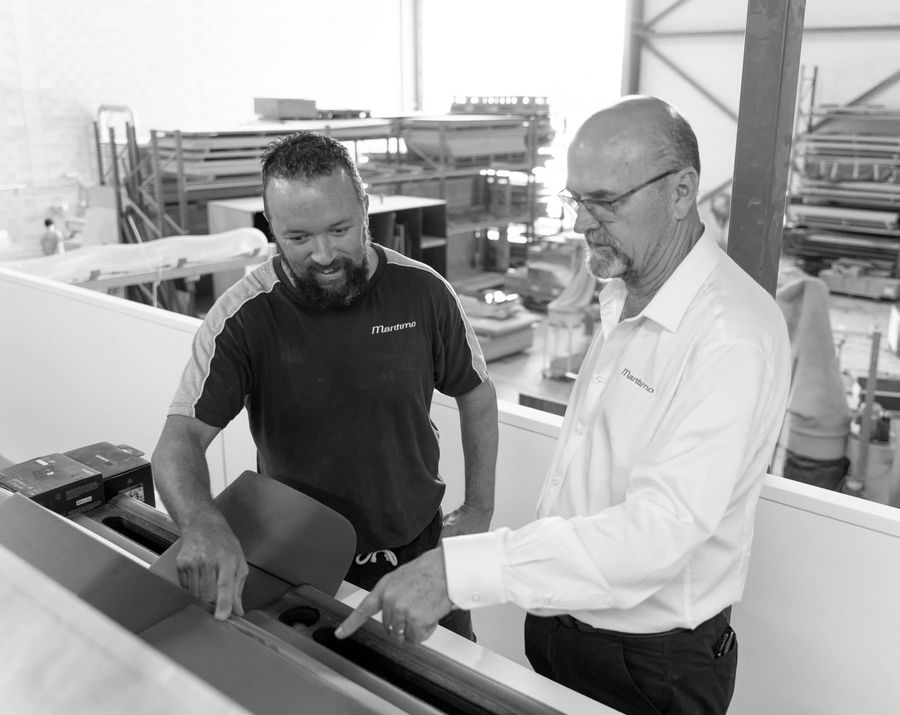
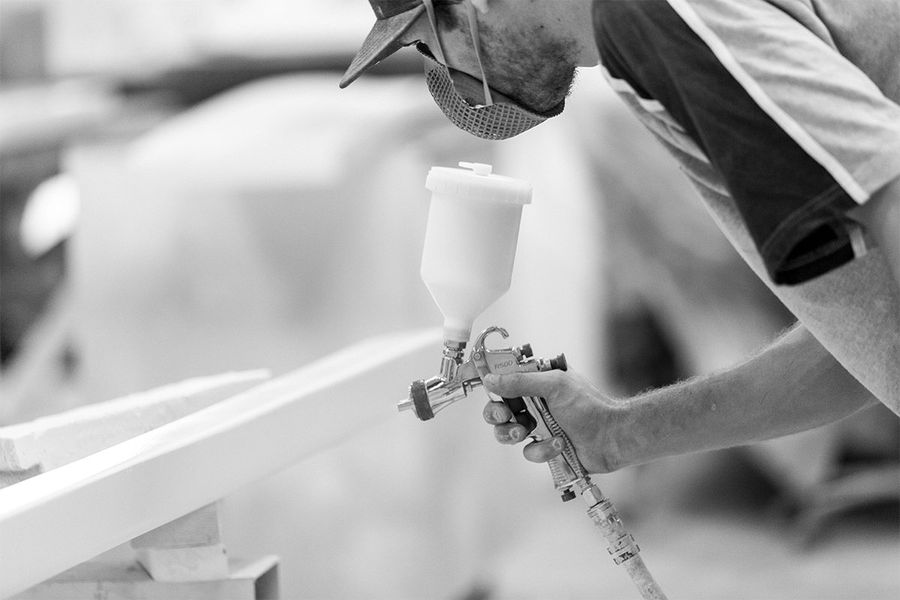
The rotation structure also serves a subtler purpose: it reveals where individual talent naturally sits. "Some apprentices just shine in a particular area," Fleet explains. Rather than directing people into fixed roles from the start, Maritimo gives them room to gravitate toward the work they find both challenging and meaningful.
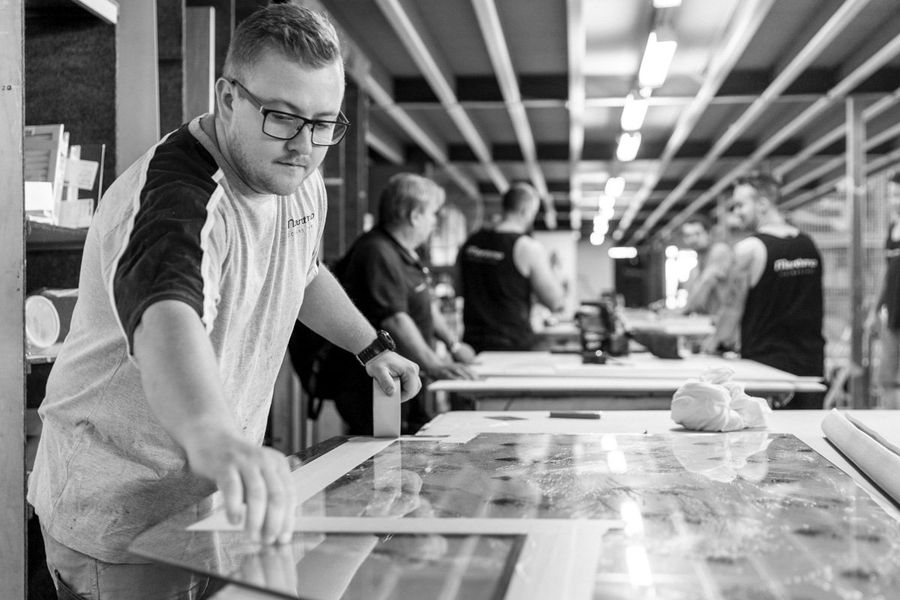
One of the programme's most compelling features is a promotion pathway that is plainly visible to anyone who looks at the business. Team leaders, trade heads, and senior managers throughout Maritimo have, in a significant number of cases, come up through the same system as boat builders or former apprentices. Nathan Creenaune is a clear example. He began his apprenticeship with the company more than a decade ago and today serves as Quality Control Supervisor across the 55, 60, and 600 range, a career arc that gives current apprentices a concrete illustration of where the path can lead.
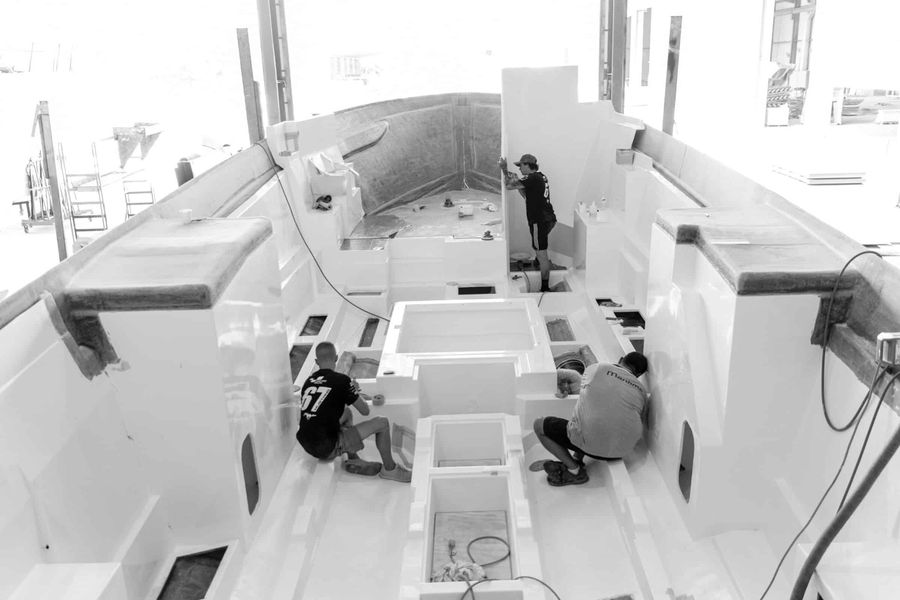
Fleet is candid about the challenges of retaining people over the long haul. Young workers' lives shift in unpredictable ways: they travel, relocate, or pursue new directions entirely. Maritimo's response is to take the wider view, keeping channels open with those who move on and welcoming former apprentices back when their circumstances allow. Departures are treated as pauses rather than endings, reinforcing the idea that the company's relationship with its people extends across a career, not just the duration of a formal contract.
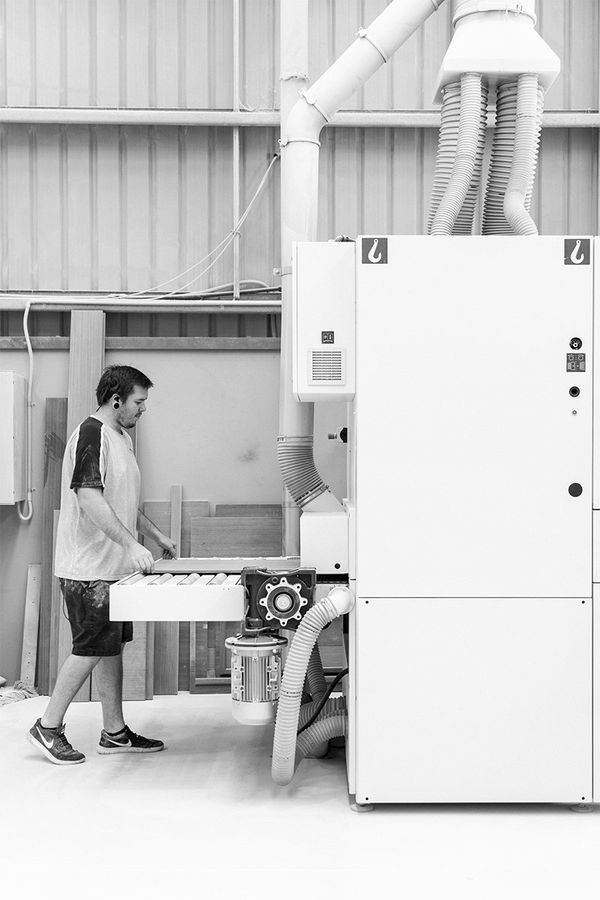
The growing presence of young women in each cohort has added further depth to the programme. Fleet notes that they have brought particular strengths in attention to detail and work ethic, qualities that translate directly to the precision that luxury boatbuilding demands.
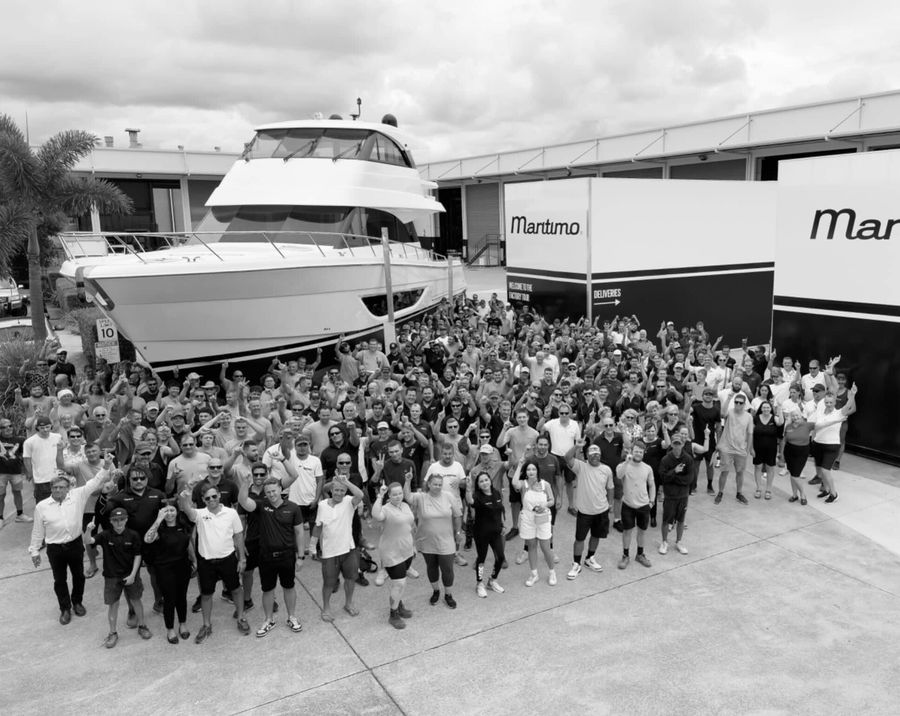
Formal partnerships, including one with the Australian Industry Trade College at Robina, help ensure that incoming apprentices arrive with a stronger practical foundation before stepping onto the workshop floor. For those leading the company, the programme is ultimately about securing succession and building the kind of resilience that only a deep, skilled workforce, developed steadily over years rather than recruited in haste, can provide.